
In a world that moves quickly and rarely makes room for stillness, the Filipino tradition of remembering the dead offers something quietly profound: a chance to return to our roots, gather the people we love, and keep the stories of those who came before us alive.
There is a particular feeling that comes with Undas.
It may begin with the sight of flowers being arranged on a grave, the familiar smell of candles burning, or the sound of relatives greeting one another in a cemetery parking lot. Someone brings food. Someone else remembers to bring the old photographs. A child, perhaps visiting for the first time, asks who the person in the framed picture was. And just like that, a story begins.
For some, Undas is a day of sadness. For others, it is a family reunion with a quieter purpose. Often, it is both.
Every November, Filipinos return to cemeteries, memorial parks, columbaria, and churches to honor loved ones who have passed away. Families travel from different cities, sometimes from different countries, to be together. They light candles, offer flowers, pray, clean tombs, and spend time remembering.
To an outsider, these rituals might seem unusual in their scale and devotion. But in the Philippines, remembrance has always been deeply communal. We do not simply mourn alone. We get together.
And perhaps that is one of the most beautiful things about Undas: it gives grief a place at the table, alongside family, faith, stories, and even laughter.
The people we lose never quite leave our family stories
Grief is often described as something deeply personal, and it is. Yet the experience of losing someone is rarely confined to one person. It changes the shape of a family. It leaves an empty chair, a familiar voice that can no longer be heard, a recipe that only one person knew how to prepare, or a particular way of celebrating birthdays and Christmas that no longer feels quite the same.
Sometimes, the smallest things bring someone back to mind: a song playing in a restaurant, the scent of a familiar perfume, an old photograph tucked inside a drawer. We discover that memory has its own way of finding us.
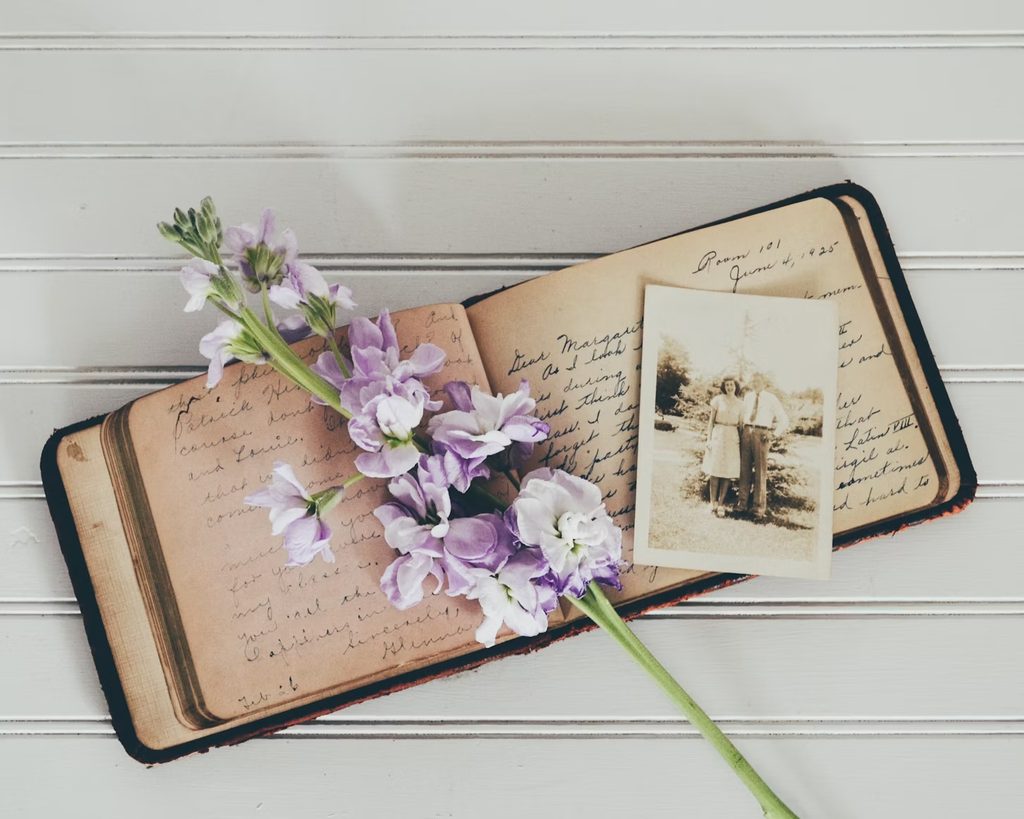
Undas gives these memories somewhere to go.
It allows families to speak the names of those who are gone, recall their quirks and accomplishments, and revisit the moments that made them unforgettable. A grandfather’s stubbornness becomes a funny family anecdote. A mother’s generosity is remembered through the people she helped. An uncle’s jokes are repeated, sometimes with the same timing and the same exaggerated punchline.
These stories matter. They remind us that a person’s life is not defined by the day it ended, but by the relationships, values, and memories that continue to influence those left behind.
In this sense, remembering is not an exercise in looking backward. It is one way of understanding who we are today.
READ and REMEMBER: The Empty Chair at the Table: Living with Loss, Loving Through Leukemia
Why rituals can bring comfort
There is a reason people return to familiar rituals during difficult times.
Psychologists and grief researchers have long recognized that rituals can provide structure, meaning, and a sense of connection following a loss. They do not erase sadness or make grief disappear. Rather, they can give people a way to express emotions that are sometimes difficult to put into words.
Lighting a candle, saying a prayer, visiting a grave, preparing a loved one’s favorite dish, or simply sitting together can become meaningful acts of remembrance.
For families who share a faith, prayer can offer spiritual comfort and a sense of continuity. For others, the value may lie in the act of gathering, reflecting, and telling stories. There is no single correct way to remember someone.
Nor does grief follow a calendar. Some people find comfort in returning to a familiar place each year. Others prefer a quiet moment at home, a visit on another day, or a private way of keeping a loved one’s memory close. The important thing is that remembrance should offer space for love, not become another obligation that people feel they must perform perfectly.
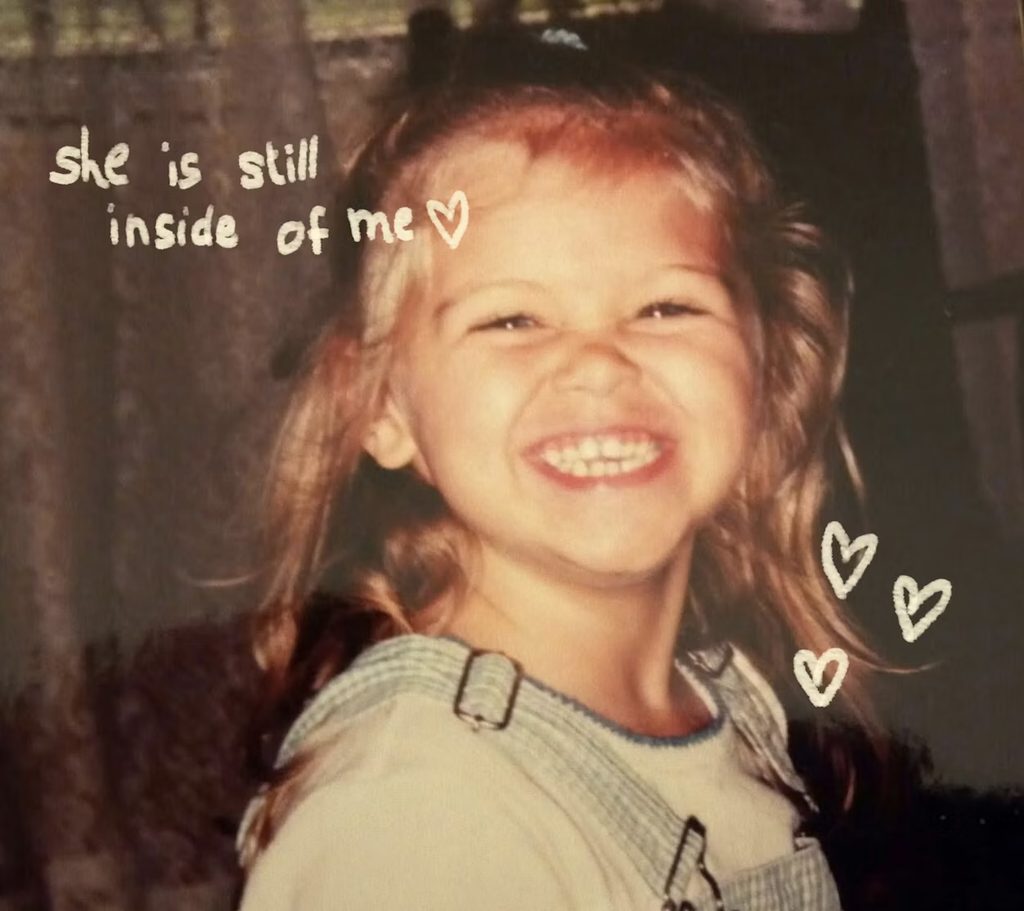
And for those whose grief is still fresh, it is worth remembering that they do not have to appear cheerful, participate in every activity, or explain why a particular day feels difficult. Sometimes, being present is enough.
A family tradition is also a family history
One of the secret gifts of Undas is the way it brings generations together.
A child may know a grandparent only through photographs. A teenager may have heard stories about a great-grandmother but never met her. A young adult may suddenly discover that the person whose name appears on a family tombstone was once a young woman with ambitions, a sense of humor, and a life that looked remarkably different from the one she eventually built.
These encounters can open conversations that rarely happen during ordinary family gatherings.
Who were our grandparents before they became grandparents? What did they dream of? What sacrifices did they make? How did they meet? What were they like when they were young? Which family traits, habits, and traditions have quietly passed from one generation to the next?
For younger Filipinos, these stories can offer a richer understanding of identity. They provide a sense of belonging that cannot be measured by family photographs or surnames alone.
And for older family members, telling these stories is a chance to pass something valuable on. Not a lecture about how things used to be, but a living account of the people, experiences, and choices that helped shape the family.
Perhaps this is where Undas deserves a fresh look. It is not simply a tradition that younger generations are expected to inherit. It is an opportunity for them to discover something worth keeping.
The beauty of remembering, even as traditions change
It is easy to assume that younger generations are losing interest in old customs. Their lives are different. They move between cities and countries, build careers, raise families across time zones, and maintain relationships through screens. Their schedules are crowded, and their ways of expressing affection may not always resemble those of their parents or grandparents.
But tradition does not have to remain frozen in time to remain meaningful.
Some families still spend the entire day at the cemetery, sharing meals and stories. Others visit early in the morning before the crowds arrive. Some gather at home, where an old photograph is placed beside flowers and a candle. Families separated by distance may join a prayer online, exchange photographs, or share memories through a family group chat.
A grandchild might record an elderly relative recounting the family’s history. A family might create a small memory book, preserve handwritten recipes, or revisit a place that held special meaning for someone who has passed away.
These gestures may look different from the customs of previous generations, but they can carry the same affection.
The point is not to insist that every young person observe Undas in exactly the same way. It is to help them understand why these traditions matter—and to leave room for them to make those traditions their own.
After all, a custom survives not because people are told to follow it, but because they find meaning in it.
Making room for children to understand loss
For children, Undas can raise questions that adults sometimes struggle to answer. What happens when someone dies? Why do we visit their grave? Why are people crying? Will we see them again?
It can be tempting to avoid these conversations, especially when parents are trying to protect young children from sadness. But children benefit from simple, honest explanations suited to their age and understanding.
Adults can explain that death means a person’s body has stopped working and that the family visits to remember and honor them. For families with religious beliefs, these explanations can also include their understanding of faith, heaven, and the afterlife.
Children should be allowed to ask questions, express feelings, and participate in remembrance in ways that feel comfortable to them. They might place a flower, help choose a photograph, say a short prayer, or listen to a story about the person being remembered.
There is no need to make the day frightening or overly solemn. A story about a loved one’s kindness, a favorite childhood memory, or a funny family incident can help children understand that remembering someone can bring warmth as well as sadness.
Most importantly, adults can show children that it is all right to miss someone. It is also all right to smile when remembering them.
When remembrance feels complicated
Not every family approaches Undas with uncomplicated feelings.
For some, the loss is recent. For others, family relationships were difficult, and remembering a loved one may bring a mixture of affection, anger, regret, or unresolved questions. Some people may feel the absence of someone they were never able to reconcile with. Others may be mourning a relationship, a pregnancy, or a loved one whose death was sudden or traumatic.
There is no requirement to feel a particular way simply because it is Undas.
People can honor the dead while respecting their own emotional limits. They can choose a quieter form of remembrance, step away when they feel overwhelmed, or decline a gathering that is not good for their well-being.
If grief becomes so overwhelming that it interferes with daily life for an extended period, or if someone feels persistently hopeless or unable to cope, speaking with a mental health professional can help. Seeking support does not diminish the love one feels for the person who has died.
The most meaningful traditions are those that make room for people as they are, including those who are still learning how to live with loss.
READ: Ateneo de Zamboanga Tragedy: For the Children We Could Not Protect
What we leave behind, and what we carry forward
As the candles burn down and the flowers begin to fade, Undas eventually comes to an end. Families return to their homes, cities, and routines. The roads clear, the cemeteries grow quiet, and ordinary life resumes.
But something can remain.
It may be a story a child will remember years later, a recipe someone decides to preserve, a photograph finally identified, or a family member who makes a promise to visit more often. It may simply be the realization that the people who came before us are part of our lives in ways we do not always recognize.
In a culture that celebrates progress, reinvention, and the next big thing, there is something grounding about making time for those who came before. Their lives remind us that we belong to a larger story—one that began long before us and will continue through the people we love and the values we choose to pass on.
Perhaps that is the quiet wisdom of Undas.
We do not gather because we cannot move forward. We gather because moving forward does not mean leaving everyone behind.
And perhaps, one day, the younger members of the family will be the ones arranging the flowers, lighting the candles, and telling the stories. Not because they were instructed to do so, but because they remember how it felt to stand among the people they love, listening to the names and stories that made their family what it is.
Some traditions deserve to be carried forward not out of duty, but out of gratitude.
Because remembering is also a way of loving.
*Photo by Jon Tyson for Unsplash
Joyful Wellness reminds readers that grief is a personal experience, and there is no single right way to remember someone who has died. If grief feels overwhelming or difficult to manage, reaching out to trusted loved ones or a qualified mental health professional can be a helpful first step.
References:
- American Psychological Association (APA). Resources on grief and bereavement.
https://www.apa.org/topics/grief - National Institute of Mental Health (NIMH). Caring for Your Mental Health.
https://www.nimh.nih.gov/health/topics/caring-for-your-mental-health - National Health Service (NHS). Bereavement and grief.
https://www.nhs.uk/mental-health/feelings-symptoms-behaviours/feelings-and-symptoms/grief-bereavement-loss/ - National Child Traumatic Stress Network (NCTSN). Resources on childhood traumatic grief and helping children cope with loss.
https://www.nctsn.org/ - World Health Organization (WHO). Mental health: strengthening our response.
https://www.who.int/news-room/fact-sheets/detail/mental-health-strengthening-our-response