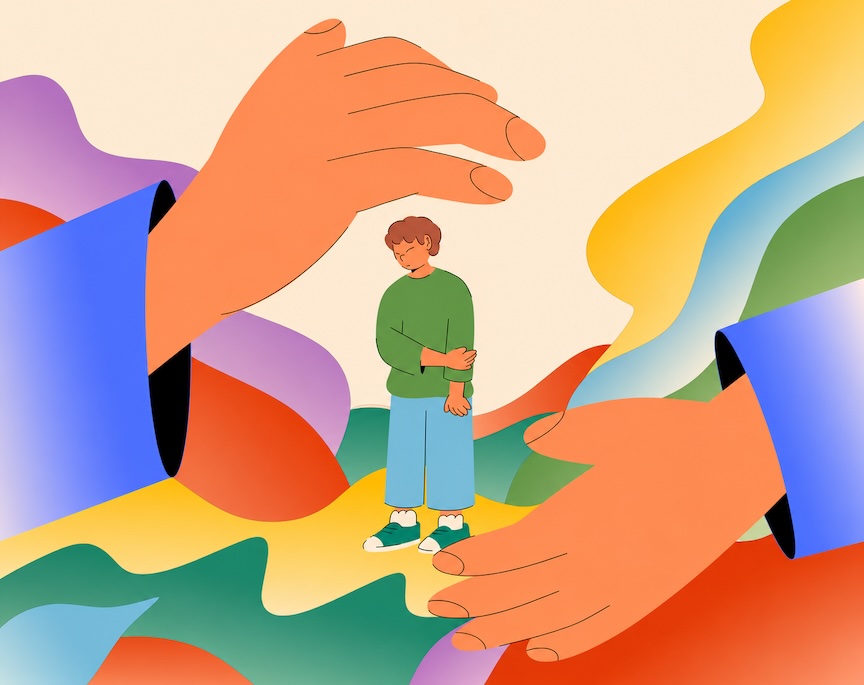


Autism is not a measure of a person’s worth or potential. Understanding how autistic people experience the world is a first step toward building families, schools, and communities where everyone belongs.
After spending time in the world, we know that words leave a mark long after they have been spoken.
For many families raising children with developmental differences, words such as “abnormal” and “retarded” once carried the weight of public judgment. Even today, when awareness of disability has grown, hurtful language and online ridicule remain part of many people’s experiences.
The consequences extend beyond the person being mocked. Parents may feel compelled to defend their children. Siblings may struggle with the cruelty directed at someone they love. Young people may learn to hide their differences simply to avoid becoming the next target of a joke.
Recent public discussions involving Josh Aquino, the son of Kris Aquino, have brought this issue into sharper focus. His mother has publicly spoken about his being on the autism spectrum. The attention surrounding their family is a reminder that visibility does not necessarily protect a person from ridicule, and that people without a public platform may have even fewer ways to respond.
But this conversation should not be about one family alone. It should encourage us to look beyond a diagnosis, reconsider the assumptions we make about people who behave or communicate differently, and ask a more important question: What would it take for every autistic person to feel respected, understood, and included?
To begin, we need to understand what autism is—and what it is not.
What is autism spectrum disorder?
Autism spectrum disorder (ASD), commonly called autism, is a neurodevelopmental condition that affects how a person communicates, interacts with others, processes sensory information, and experiences the world.
Autism is not caused by poor parenting, and it is not something a person develops because they have been insufficiently disciplined. Research points to complex genetic and developmental factors, although scientists are still studying the many influences involved.
Autism is described as a spectrum because it can present differently from one person to another. Some autistic people communicate verbally and live independently. Others use alternative forms of communication or need substantial, ongoing assistance with everyday activities. Some need support in particular settings but function more independently in others.
There is no single autistic experience, and a person’s support needs cannot be determined simply by looking at them.
Autistic people also have individual interests, personalities, abilities, relationships, and aspirations. Autism is an important part of how they experience the world, but it does not tell us everything about who they are. The National Institute of Mental Health recognizes both the challenges and strengths that may be associated with autism, including differences in sensory processing and communication.
Understanding this diversity is essential. Compassion begins when we stop assuming that everyone should think, communicate, learn, or behave in exactly the same way.
Imagine experiencing the world differently
One way to begin understanding autism is to imagine that the world around you does not always feel as predictable or comfortable as it seems to feel for other people.
The analogy is imperfect—autistic people do not all experience the same differences—but it can help us appreciate why some everyday situations require additional effort or support.
When ordinary sounds feel overwhelming
A crowded shopping mall, a school assembly, a ringing telephone, or several people talking at once may be uncomfortable for anyone. For some autistic people, sensory input such as sound, light, touch, or movement can be particularly intense or difficult to filter.
A place that seems ordinary to one person may feel overwhelming to another.
When someone covers their ears, seeks a quieter space, or becomes distressed in a noisy environment, it helps to consider whether sensory overload may be contributing. We cannot know what another person is experiencing simply by observing them, but we can respond with patience rather than judgment.
What can help: Reduce unnecessary noise where possible, offer a quieter space, explain changes in advance, and ask the person or their caregiver what support would be useful.
When social rules are not obvious
Much of everyday communication depends on things we rarely explain: tone of voice, facial expressions, sarcasm, implied meanings, and unwritten social expectations.
Some autistic people find these cues difficult to interpret. Others communicate differently or prefer more direct, literal language. A person may understand a conversation perfectly well but express themselves in a way others do not expect.
This does not mean autistic people lack feelings, empathy, or a desire for connection. People vary in how they express and interpret emotions, and misunderstandings can happen on both sides.
What can help: Speak clearly, avoid relying on hints, allow extra time for responses, and do not assume that a person’s facial expression tells you exactly how they feel.
When routines provide a sense of security
Predictability can make everyday life easier to navigate. For some autistic people, routines, familiar activities, or repetitive movements, often called stimming, can provide comfort, help with regulation, or express excitement.
Unexpected changes may be difficult, especially when a person is already tired, anxious, or overwhelmed.
Repetitive movements are not automatically a problem that needs to be stopped. Their meaning depends on the individual and the circumstances. Support is appropriate when a behavior causes injury, creates a significant barrier, or signals distress, not simply because it looks different.
What can help: Give advance notice of changes, use visual schedules when useful, and allow safe self-regulating behaviors. If a person becomes overwhelmed, reduce demands and help them reach a calmer environment rather than assuming they are deliberately misbehaving.
READ: OCD, ADHD, and Autism: When the Signs Overlap, How Can You Tell the Difference?
Autism is not something to cure, but support matters
Autism is a lifelong neurodevelopmental condition. There is no established cure, and autism itself should not be treated as a defect that must be erased.
That does not mean autistic people cannot learn, develop skills, become more independent, or benefit from support. The right assistance can make a meaningful difference in communication, daily living, participation, and quality of life.
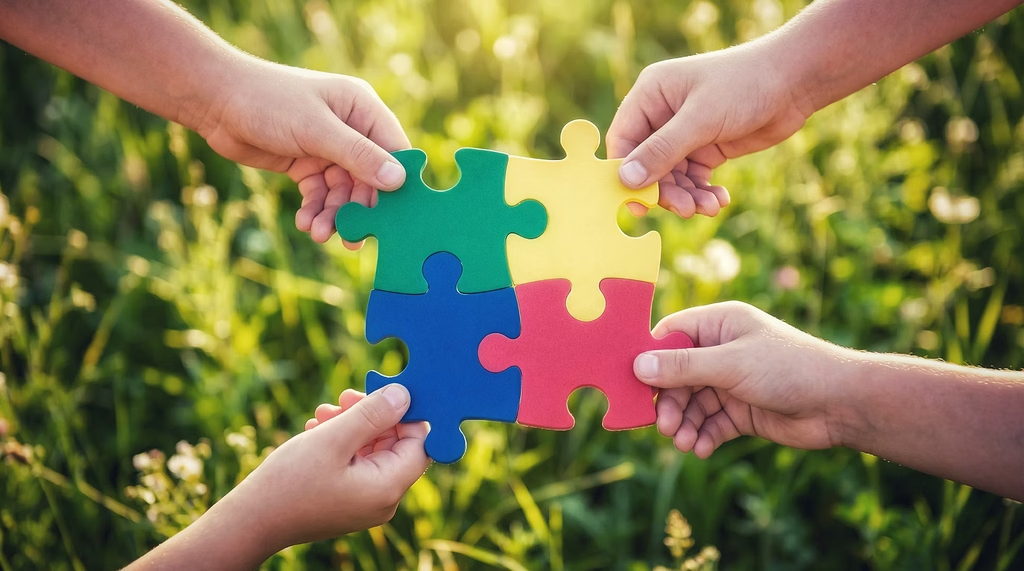
Support should be tailored to the person, their strengths, their needs, and their own goals. Depending on the individual, it may include:
- Speech-language therapy: Support for understanding and using language, social communication, or alternative communication methods such as pictures, signs, and communication devices.
- Occupational therapy: Help with everyday activities, participation, motor skills, and strategies for managing sensory or environmental challenges.
- Developmental and behavioral support: Individualized approaches that build useful skills, encourage communication, and support safety and participation while respecting the person’s dignity.
- Educational accommodations: Adjustments to teaching methods, schedules, sensory environments, or communication that help a student participate and learn.
- Support for co-occurring conditions: Assessment and care for concerns such as sleep difficulties, anxiety, attention difficulties, or other health conditions when present.
These approaches are not interchangeable, and no single intervention is right for everyone. The aim should be to improve well-being and access to everyday life, not to force a person to appear “normal” or suppress harmless differences simply to make others comfortable. The US Centers for Disease Control and Prevention describes several developmental, communication, and occupational approaches used to support autistic people.
Families who are concerned about a child’s development can begin with a pediatrician or another qualified healthcare professional who can assess the child’s needs and discuss appropriate referrals. Early support can be valuable, but people can benefit from assessment and assistance at different ages.
How families, schools, and communities can make a difference
Awareness is a beginning. What matters next is how we behave when we encounter someone whose needs or communication differ from our own.
1. Replace judgment with curiosity
If a child is covering their ears, repeating movements, or becoming distressed in public, resist the urge to stare, whisper, or scold.
You do not need to know whether the person is autistic to respond respectfully. Give them space, avoid unnecessary attention, and ask a caregiver whether help is needed if it is appropriate to do so.
A public moment of distress is not an invitation to diagnose a stranger or comment on their parenting.
2. Stop using disability as a punchline
Words shape the way people understand one another. Using “autistic” as an insult, imitating a person’s movements for entertainment, or sharing humiliating videos can reinforce the idea that disability makes someone less deserving of respect.
If someone makes a cruel joke, you can respond calmly: “Let’s not make someone’s disability the punchline.”
Online, avoid reposting humiliating content, even to criticize it if doing so spreads the material further. Report abusive posts through the platform’s reporting tools and support messages that uphold the person’s dignity.
In the Philippines, Republic Act No. 9442 amended the Magna Carta for Persons with Disabilities to prohibit certain acts of public ridicule and vilification against persons with disabilities. The law provides penalties for violations, but whether a particular act falls within its provisions depends on the circumstances and applicable legal process.
Respect should not depend on whether a person can defend themselves publicly.
3. Make inclusion practical
Inclusion is more than inviting someone into a room. It means considering what they need to participate meaningfully.
Schools can offer clear instructions, predictable routines, appropriate learning accommodations, and access to qualified support. Workplaces and businesses can consider quieter spaces, accessible communication, and reasonable adjustments. Families can ask autistic people what makes activities easier or more comfortable.
Small changes can remove barriers that others may not even notice.
4. Support caregivers without making assumptions
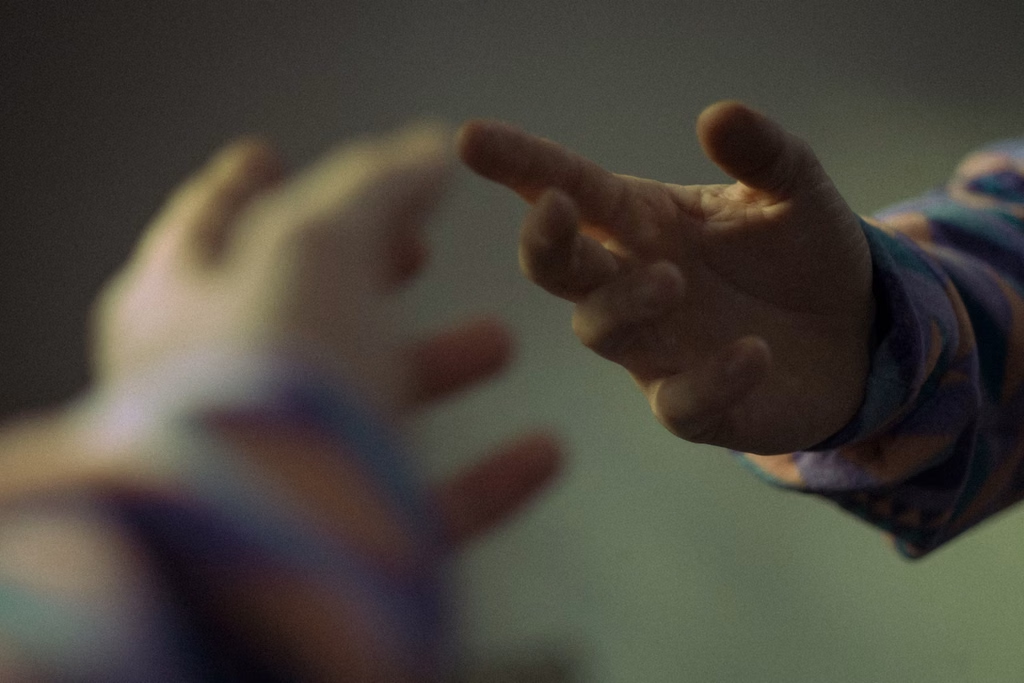
Caring for a child or adult with additional support needs can involve appointments, educational decisions, financial pressures, and concerns about the future. But every family is different, and caregivers do not all need the same kind of help.
Instead of offering unsolicited advice or comparing one person’s development with another’s, ask what would be useful. It might be practical assistance, help navigating a service, or simply the chance to talk without being judged.
And remember that autistic people themselves should be heard in decisions about their lives, with communication and decision-making support appropriate to their age and needs.
5. Teach children that differences are part of being human
Children learn from what adults say and from what adults allow.
When a child asks why someone communicates differently or behaves in an unfamiliar way, answer simply and respectfully. Explain that people have different needs and ways of experiencing the world. Encourage kindness without turning the person being discussed into an object of pity.
The goal is not to teach children that autistic people are all the same, unusually gifted, helpless, or tragic. It is to teach them that no one needs to earn basic respect by being exceptional, independent, or easy to understand.
Beyond awareness, toward belonging
Autism does not erase a person’s individuality, relationships, or hopes for the future. Nor should a diagnosis become the only thing the world sees.
The measure of a compassionate society is not how warmly it speaks about inclusion on special occasions. It is how it treats people in ordinary moments: in classrooms, workplaces, public spaces, family gatherings, and online conversations.
Josh Aquino’s public experiences remind us that visibility alone cannot guarantee dignity. But the larger lesson belongs to all autistic people, including those whose lives are private and whose families may not have the resources to challenge public cruelty.
We can begin by listening more carefully, making room for different ways of communicating, supporting families without judgment, and refusing to turn disability into entertainment.
We do not have to understand every aspect of another person’s experience before we treat them with respect.
Sometimes, compassion begins with a simpler decision: to recognize the person before the diagnosis and to make sure they know they belong.
*Photo by Yunus Tuğ for Unsplash+
Editorial Note
Joyful Wellness shares mental health information to encourage awareness, understanding, and self-care. Our content is not a substitute for professional mental health support. If you or someone you know is experiencing emotional distress, seeking help from a licensed mental health professional or trusted healthcare provider is encouraged.
References
National Institute of Mental Health. Autism Spectrum Disorder. https://www.nimh.nih.gov/health/publications/autism-spectrum-disorder
Centers for Disease Control and Prevention. Treatment and Intervention for Autism Spectrum Disorder. https://www.cdc.gov/autism/treatment/index.html
World Health Organization. Autism. https://www.who.int/news-room/fact-sheets/detail/autism-spectrum-disorders
Republic of the Philippines. Republic Act No. 9442: An Act Amending Republic Act No. 7277, Otherwise Known as the Magna Carta for Disabled Persons. https://ncda.gov.ph/disability-laws/republic-acts/republic-act-9442/