
Through expert talks, patient stories and a gathering grounded in hope, Manila Doctors Hospital reminds Filipinos that breast cancer awareness begins with knowledge and continues with action, care and community.
Every October, pink ribbons and breast cancer awareness campaigns remind us to pay closer attention to a disease that affects millions of women around the world. But beyond the symbols and statistics lies a more personal message: knowing more about breast cancer can help people make informed decisions, seek medical attention sooner and face the journey with greater confidence.
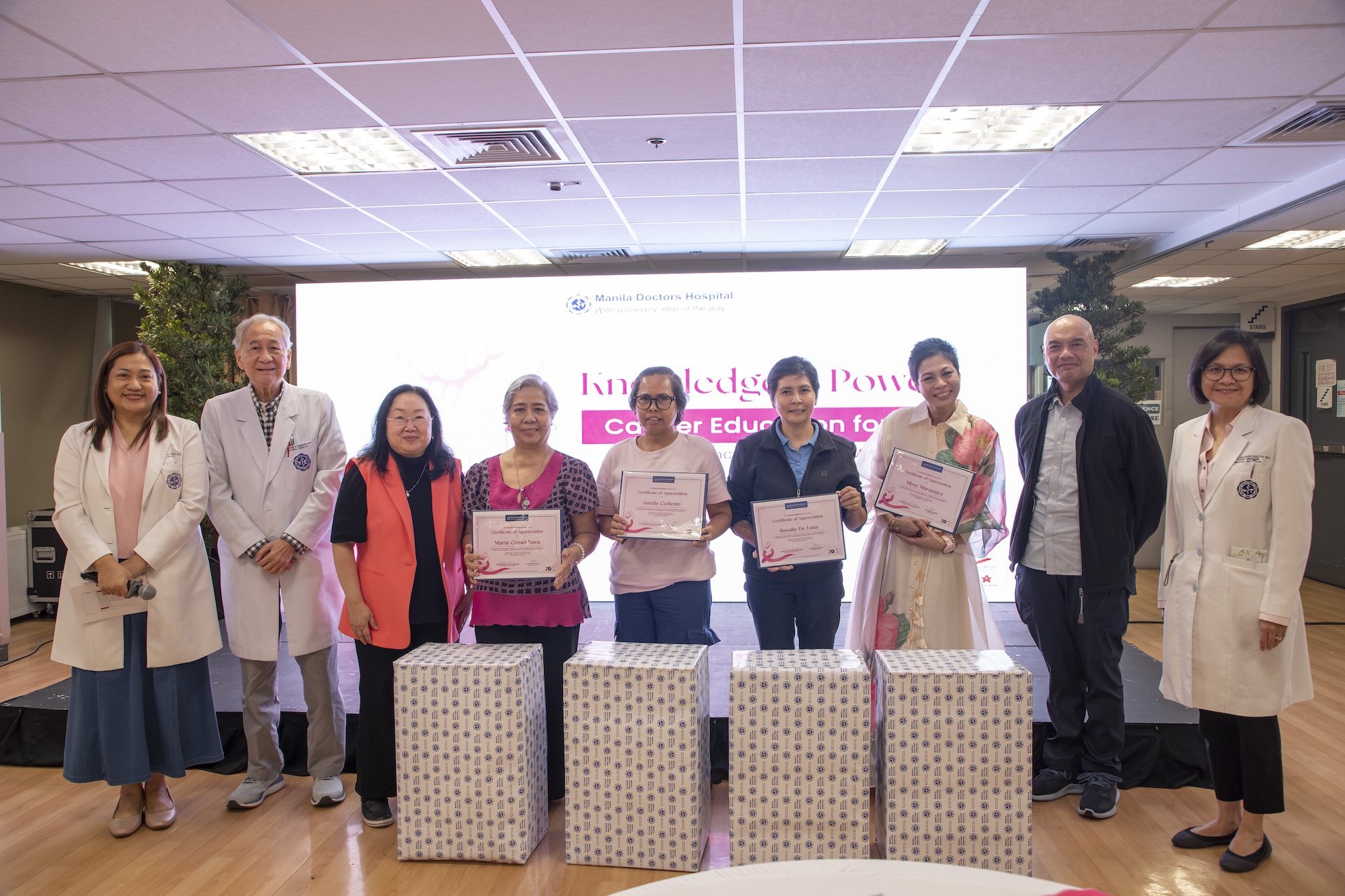
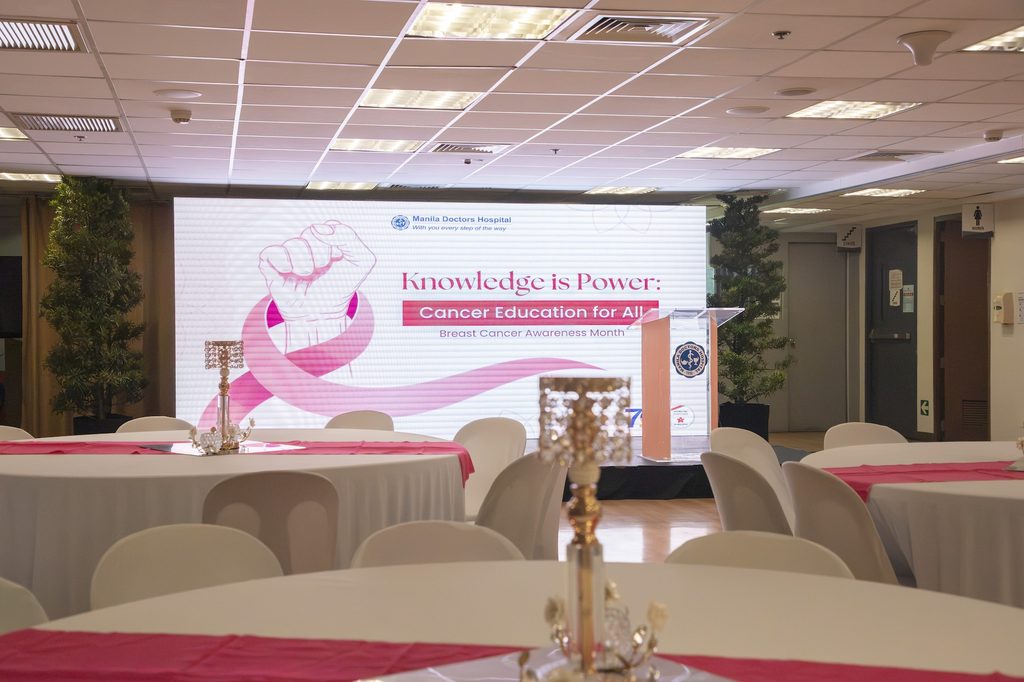
At Manila Doctors Hospital (MDH), this message took center stage on October 2, 2026, during its annual Breast Cancer Awareness Month celebration, “Knowledge Is Power: Cancer Education for All,” held at the hospital’s Penthouse.
The gathering brought together doctors, healthcare professionals, patients, survivors and members of the community for an afternoon of learning, sharing and connection. It was a reminder that breast cancer awareness is not simply about recognizing the disease. It is also about understanding the importance of early detection, timely consultation, appropriate treatment and continued support.
Knowledge That Empowers
The event featured discussions led by distinguished specialists, including Dr. Antonio Villalon, widely regarded as the Father of Medical Oncology in the Philippines; Dr. Marie Cherry Lynn S. Fernando, chair of the MDH Cancer Institute; Dr. Florge Francis Sy, a medical oncologist at MDH; and Dr. Olive Quizon, clinical nutritionist and chair of the hospital’s Department of Family and Community Medicine.
Their discussions offered participants an opportunity to learn about breast cancer, its risk factors, the importance of seeking medical advice and developments in cancer care. By sharing their knowledge and expertise, the specialists helped bring complex medical information closer to the people who need it.
This kind of conversation matters. Breast cancer can be frightening, and uncertainty often makes it harder to know what to do next. Reliable information helps people ask better questions, recognize when to seek professional advice and understand the options available to them.
The message is especially important for women who may be putting off a consultation out of fear, uncertainty or the hope that a concerning change will simply go away. Awareness is a valuable beginning, but seeking appropriate medical care is what allows concerns to be properly assessed.
READ: What to Eat (and Avoid) for Breast Health
A Diagnosis Is Not the End of the Story
One of the most reassuring messages shared during the celebration came from Dr. Fernando, who emphasized that breast cancer can often be treated successfully, particularly when detected early.
“The most important thing I want women to know is that breast cancer can be treated very successfully, especially when we find it early,” she said. “A diagnosis of breast cancer does not automatically mean that a woman will die from the disease. Today, we have many effective treatments, and many women diagnosed at an early stage are cured and go on to live normal, productive lives.”
Her words offered an important reminder: while a breast cancer diagnosis can change a person’s life, it does not erase the possibility of treatment, recovery, meaningful relationships or a hopeful future.
Outcomes vary depending on the type and stage of cancer, as well as the treatment available to each patient. Still, advances in screening, diagnosis and treatment have expanded the options available to many people living with the disease.
For anyone facing a possible diagnosis, or supporting someone who has received one, the message is worth remembering: seek reliable medical guidance, ask questions and discuss treatment options with a qualified healthcare team. Fear is understandable, but no one should have to navigate the experience without information and support.
Cancer Care Takes a Community
Cancer is rarely managed by one physician or specialty alone. At Manila Doctors Hospital, the Cancer Institute emphasizes a multidisciplinary approach that considers the whole person—not just the tumor, but also the physical, psychological, social and spiritual challenges that may accompany a diagnosis.
As Dr. Fernando explained, comprehensive cancer care brings together professionals from different fields to address the varied needs of each patient.
The hospital’s team includes medical oncologists, surgical specialists, radiation oncologists, pathologists, radiologists, pain and palliative-care specialists, oncology nurses, rehabilitation professionals and other healthcare providers. Working together, they help coordinate care across different stages of the patient journey.
MDH also highlights its investment in diagnostic and treatment technologies designed to support patients from early assessment and diagnosis through treatment, recovery and survivorship.
This coordinated approach recognizes that cancer care extends beyond medical procedures. Patients may also need help managing symptoms, maintaining their nutrition, coping with emotional distress, navigating practical concerns and rebuilding their confidence during and after treatment.
For families and caregivers, understanding the care process can also make a difference. Knowing whom to approach, what questions to ask and where to find support can make an overwhelming experience feel more manageable.
An Afternoon of Learning, Sharing and Hope
Beyond the talks, the celebration had the warmth of a gathering designed to bring people together.
Guests shared a lunch buffet, visited exhibitors offering products and services, and connected with fellow participants. Gifts and a raffle added moments of excitement to the afternoon, creating a lively atmosphere around a subject that can otherwise feel daunting.
Yet the heart of the celebration remained its purpose: empowering people with knowledge about their health.
The conversations between formal presentations, the opportunity to hear from medical experts and the shared experience of patients and survivors all helped reinforce the idea that awareness is something we build together. It grows when people feel comfortable asking questions, when healthcare professionals make information accessible, and when communities create space for honest conversations about illness and recovery.
Breast Cancer Awareness Month is observed by hospitals and healthcare communities across the country, each finding ways to encourage Filipinos to take breast health seriously. Gatherings such as this one help carry that message beyond the hospital walls and into homes, workplaces and everyday conversations.
Awareness Is Only the Beginning
Breast cancer awareness should not end when October does. It should encourage women and their families to stay informed, discuss individual risk factors with healthcare professionals, follow appropriate screening recommendations and seek prompt medical evaluation for concerning breast changes.
It should also remind us to approach those affected by cancer with sensitivity. A diagnosis can bring fear and uncertainty, but patients deserve more than medical treatment alone. They deserve clear information, compassionate care and the assurance that their lives remain full of possibilities.
At Joyful Wellness, we are glad to help share the work of healthcare institutions that make health education part of their commitment to the community. Because knowledge becomes most powerful when it helps people take the next step.
The Joyful Wellness takeaway: Breast cancer awareness is more than a month of pink. It is an ongoing commitment to knowing more, seeking care when needed, supporting those affected and holding on to hope—one informed decision at a time.