

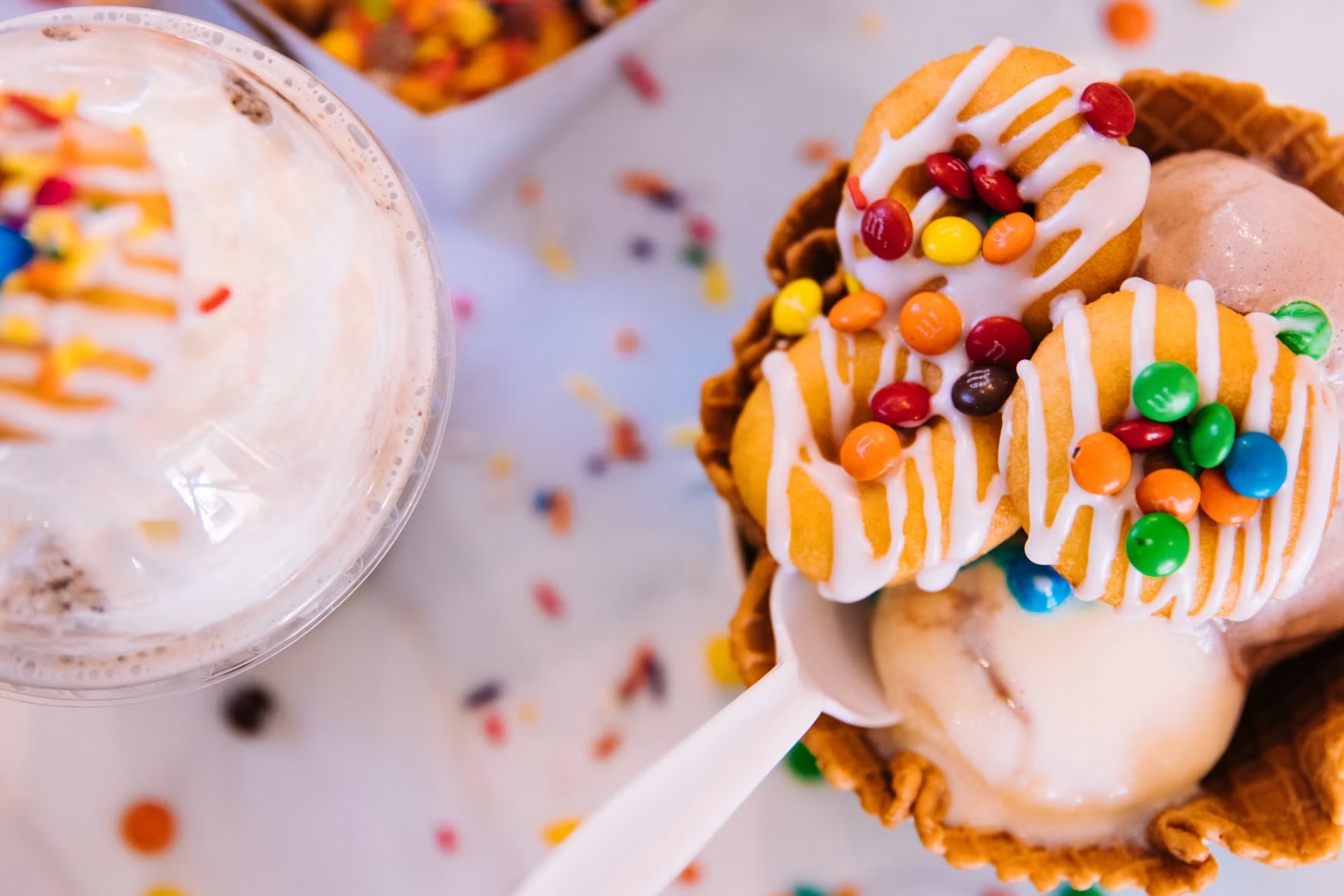
Put down the kale and enjoy the cake.
I have loved sugar for as long as I can remember.
Some of my earliest memories, stretching back to when I was barely five years old, are painted in the rich browns of chocolate and the bright frostings of birthday cakes. Growing up, they weren’t just food; they were a baseline. Cake was celebration. Ice cream was happiness in a cup. If it was a bad day, a piece of chocolate fixed it. They were my comfort, my constant companions, and a frequent, non-negotiable part of my weekly routine.
I didn’t know anything about calories, blood sugar or ultra-processed food.
I just knew that these things made me happy.
Decades later, I know considerably more about what sugar can do to the body. I know that too much added or free sugar can contribute to excess calorie intake, weight gain and dental problems. I know that diets high in ultra-processed foods are associated with poorer health outcomes. Yes, I know that eating too much of anything isn’t exactly a recipe for long-term well-being.
And yet.
I still love chocolate.
I still want cake.
And if someone offers me ice cream after dinner, I would like to believe I have the wisdom to say yes.
Because somewhere along the way, wellness acquired a strange reputation for being relentlessly sensible.
Drink the green juice.
Count the steps.
Measure the protein.
Cut the sugar.
Avoid the carbs.
Track the calories.
Sleep eight hours.
Meditate.
Repeat.
All of this is useful.
But where, exactly, is the fun?
Looking back, I sometimes wonder: Was my five-year-old self simply greedy?
Probably not.
Part of our attraction to sweetness may be rooted in biology. For most of human history, concentrated sources of energy were valuable and not always easy to find. Sweet fruits, honey and other naturally occurring sources of sugar represented energy in a world where calories were harder to come by.
Our modern food environment, however, has changed dramatically.
We now live in a world where the concentrated sweetness that once required effort to find can be bought in a convenience store, delivered to our door and packaged in a dozen different forms.
We are surrounded by an abundance of sweetness that royalty could not have imagined. Yet, as my favorite treats have grown more accessible, science is forcing us to confront a heavy truth: our collective health is paying the price. To understand how the foods I grew up loving turned against us, we have to look at how they evolved from sacred luxuries into industrial chemistry experiments.
READ: Fueling Your Body: A Guide to Healthy Eating
Chocolate Was Never Meant to Be Boring
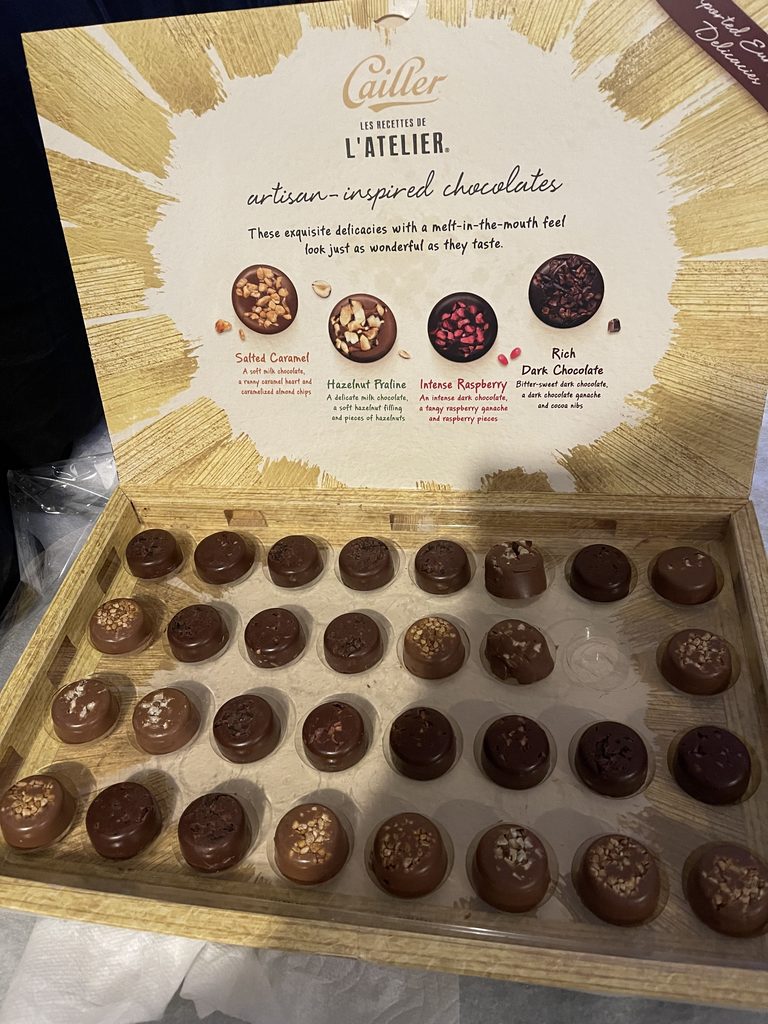
Long before chocolate became something we unwrapped from a brightly colored package, cacao was already part of human culture.
Maya and Aztec societies consumed cacao in bitter, frothy beverages that could be spiced and prepared in ways very different from the chocolate we know today. Cacao held social, ritual and medicinal significance.
Then history did what history does.
We experimented and added things.
We sweetened it and turned it into something creamy and luxurious.
Eventually, someone decided that putting chocolate into a cake was a very good idea.
Modern chocolate can certainly contain plenty of sugar and calories, and dark chocolate is not a license to eat an entire box because it contains cocoa.
But cocoa flavanols have also been studied for effects on vascular function and blood pressure.
So perhaps chocolate doesn’t need to be placed in either the “good” or “bad” box.
Perhaps it can simply be chocolate.
Something to savor.
The Case for Cake
Cake has never pretended to be medicine.
That’s one of its charms.
Nobody eats birthday cake because they believe it will lower their cholesterol.
We eat it because someone turned another year older.
Because a child blew out candles or a friend got married.
Because Christmas came around again, amd sometimes Friday deserves frosting.
And perhaps this is where our relationship with food needs a little more nuance.
A diet can be nourishing without being joyless.
We can eat vegetables and still eat cake.
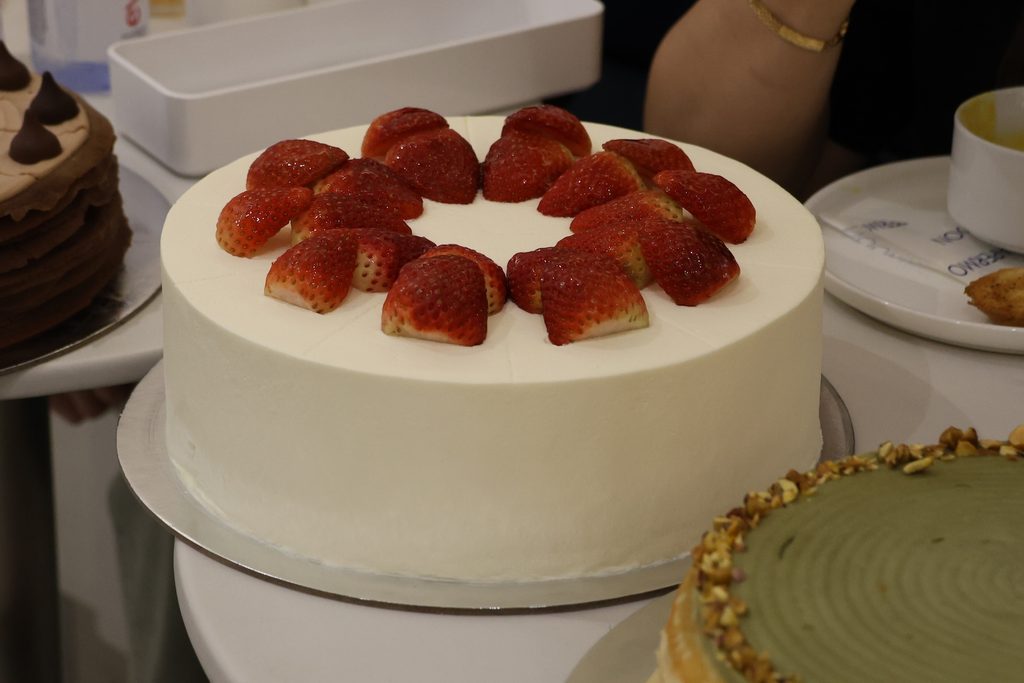
We can care about our blood sugar and still enjoy dessert.
And we can know that sugar is something to moderate without deciding that every sweet thing we eat is a failure of discipline.
The problem isn’t is when cake quietly becomes breakfast, afternoon snack, emotional support and midnight companion.
Even then, the answer isn’t shame.
Perhaps it’s simply balance.
And Then There Is Ice Cream
Ice cream has an almost unfair advantage.
It is cold and creamy
It melts and requires us to eat it before it disappears.
And unlike some wellness foods, it doesn’t ask us to develop an appreciation for its earthy notes.
It just tastes good.
There is something wonderfully uncomplicated about that.
We spend so much time trying to optimize our lives that we sometimes forget the value of an experience that has absolutely no productivity attached to it.
You don’t need to become a better person while eating ice cream.
You don’t need to burn it off afterward.
And you don’t need to photograph it for Instagram.
You can simply sit down and enjoy it.
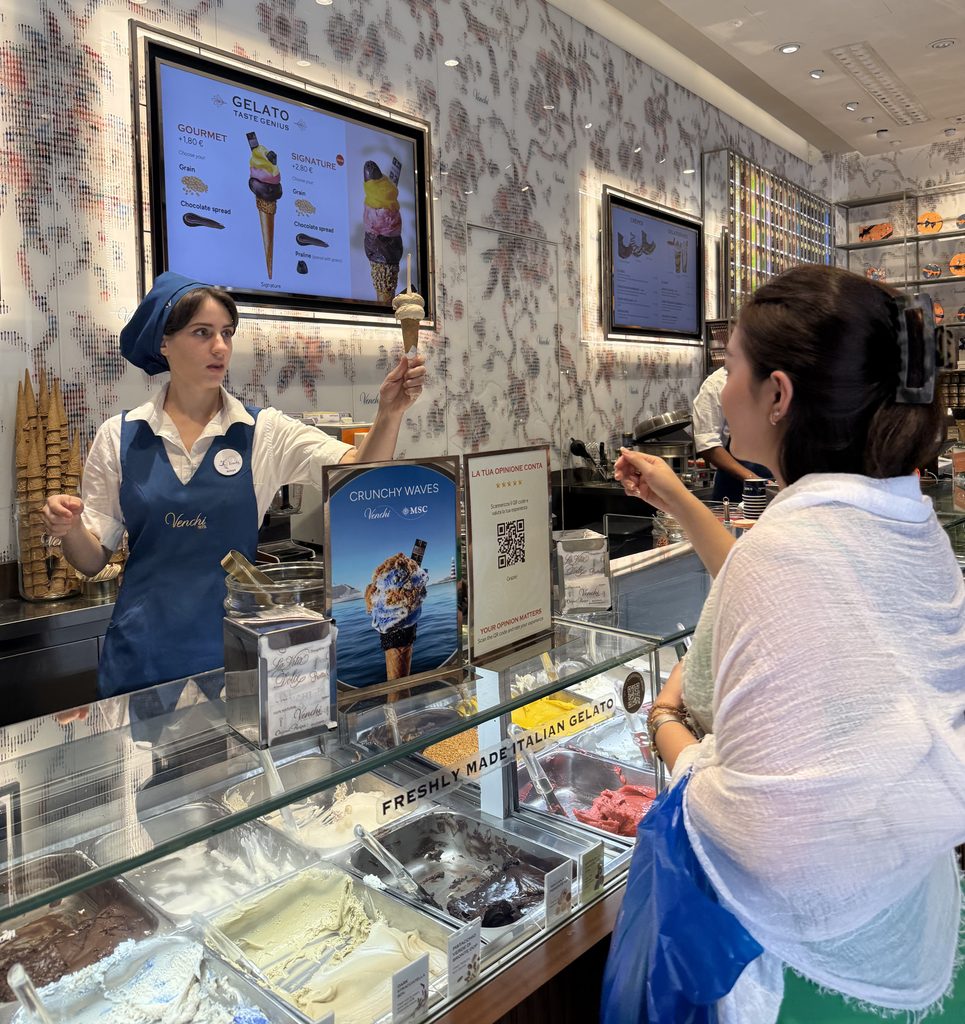
Perhaps the Point Is to Savor
I don’t think the answer is to pretend that sugar has no consequences.
It does.
Nor do I think we should turn dessert into an everyday nutritional foundation.
But there is a difference between being mindful and being afraid of food.
Maybe the healthier relationship is to eat the dessert we really want, eat it slowly, and actually taste it.
A small piece of excellent chocolate may be more satisfying than mindlessly eating half a bag.
A slice of birthday cake may be worth every bite because it belongs to a memory you’ll carry for years.
And a bowl of ice cream shared with someone you love may have very little nutritional virtue—but plenty of emotional value.
There are things in life we consume because they nourish the body.
And there are things we experience because they nourish something else.
The trick, perhaps, is knowing the difference.
So yes, I will continue to eat my cake.
I will have chocolate.
I will say yes to ice cream, will also eat my vegetables, move my body, drink my water and try to get enough sleep.
Because wellness isn’t supposed to be a punishment for being alive.
It is supposed to help us be alive enough to enjoy our lives.
And sometimes, life tastes like chocolate.
Sometimes it tastes like cake.
And yes, sometimes it comes in a little bowl and starts melting before you’ve even finished talking.
Give in.
Just savor it.
And maybe, for once, don’t count the calories.
Count the joy.
*Photo by Jeswin Thomas on Unsplash
Editor’s note
This is a personal reflection informed by current nutrition research. Terms such as “food addiction” and the health effects of individual food additives remain areas of active scientific study. A balanced diet is shaped by overall dietary patterns, not by one food eaten occasionally.
References
- World Health Organization. Guideline: Sugars Intake for Adults and Children. WHO. 2015.
- Lane MM, et al. “Ultra-processed food exposure and adverse health outcomes: umbrella review of epidemiological meta-analyses.” The BMJ. 2024.
- Hall KD, et al. “Ultra-Processed Diets Cause Excess Calorie Intake and Weight Gain: An Inpatient Randomized Controlled Trial of Ad Libitum Food Intake.” Cell Metabolism. 2019.
- Hooper L, Kay C, Abdelhamid A, et al. “Effects of chocolate, cocoa, and flavan-3-ols on cardiovascular health: a systematic review and meta-analysis of randomized trials.” The American Journal of Clinical Nutrition. 2012.
- Westwater ML, Fletcher PC, Ziauddeen H. “Sugar addiction: the state of the science.” European Journal of Nutrition. 2016.