

When you spend a few minutes browsing social media or walking through the eco-friendly section of a home store, it’s easy to conclude that living sustainably requires a substantial budget. There are stainless-steel lunch boxes, handcrafted beeswax wraps, designer reusable coffee cups, bamboo cutlery sets, and beautifully curated “zero-waste starter kits”—all promising a greener lifestyle with a premium price tag.
It’s an appealing vision, but it can also be discouraging. For many families, the message seems to be that caring for the planet begins with buying more things.
In reality, some of the most meaningful environmental choices cost little or nothing at all.
Using a refillable water bottle instead of purchasing bottled water, bringing your own shopping bag to the market, reusing glass jars, or simply refusing an unnecessary plastic straw may seem trivial. Yet if we keep on doing it, these habits can reduce household expenses, cut down on waste, and lessen our dependence on disposable products.
Sustainable living is about making thoughtful choices that benefit both our homes and the world beyond them.
Why Single-Use Plastics Matter
Single-use plastics have become woven into everyday life because they are inexpensive, lightweight, and convenient. Water bottles, takeaway containers, grocery bags, food wrappers, and disposable utensils often serve their purpose for only a few minutes before being discarded.
The environmental consequences, however, last much longer.
According to the United Nations Environment Programme, millions of tons of plastic enter ecosystems every year, where they gradually break down into smaller fragments known as microplastics. These tiny particles have been detected in oceans, rivers, agricultural soil, wildlife, and even the air we breathe.
Researchers are also studying how microplastics and some chemicals used in certain plastics may affect human health. While many questions remain under investigation, scientists generally recommend minimizing unnecessary exposure whenever practical, particularly by avoiding heating food in plastic containers that are not designed for microwave use and by replacing damaged plastic food containers when appropriate.
Some plastic products, particularly older materials or those exposed to repeated heat and wear, may release small amounts of chemicals such as bisphenol A (BPA) or certain phthalates. Some of these compounds have been identified as endocrine-disrupting chemicals, meaning they may interfere with normal hormone function under certain conditions. However, exposure depends on the type of plastic, how it is used, and the amount of contact over time.
Reducing single-use plastics a practical and thoughtful way to reduce unnecessary waste and, where possible, limit avoidable chemical exposure.
READ: Less is more: How underconsumption can be good for the planet
The Hidden Cost of Convenience
Disposable products often seem inexpensive because we buy them one pack at a time.
A roll of plastic wrap.
A package of disposable cutlery.
Bottled water for the week.
Paper towels.
Food storage bags.
Individually, these purchases may seem negligible. Over months and years, however, they become recurring household expenses that quietly add up.
Reusable alternatives usually require a larger purchase upfront, but many continue serving their purpose for years with proper care. A durable water bottle, washable food containers, cloth napkins, or reusable shopping bags can gradually reduce the need for repeat purchases.
Sustainable choices may seem expensive upfront, but they often reduce the number of small, recurring expenses that accumulate over time.
Three Practical Changes You Can Make This Weekend
Maybe you often imagine living more sustainably by renovating your home or replacing everything you own. But the most environmentally responsible choice is often to continue using what already works.
Here are three simple ideas that combine practicality with sustainability.
Give Old Fabrics a Second Life
Before throwing away worn towels, or flannel pajamas, consider cutting them into reusable cleaning cloths.
These homemade cloths work well for wiping kitchen counters, drying hands, or cleaning small spills. After use, they can simply be washed and used again.
Besides reducing paper towel consumption, repurposing fabric extends the life of materials that might otherwise end up in landfills.
Save Your Glass Jars
Glass jars from pasta sauce, coffee, jams, or pickles can become useful storage containers for pantry staples, homemade dressings, leftovers, or small household items.
Glass is widely regarded as one of the most stable materials for storing food because it does not readily absorb odors or stains and can often be reused for many years with proper care.
Before reusing jars, wash them thoroughly and inspect them for chips or cracks.
Replace Plastic Wrap Gradually
Plastic cling wrap is convenient, but it’s rarely the only option.
Reusable containers with lids, inverted plates placed over bowls, silicone covers, or reusable beeswax wraps can all help reduce household plastic waste.
If you decide to make your own beeswax wraps, be sure to follow safe preparation and cleaning instructions. These wraps are best used for fruits, vegetables, bread, or sandwiches and should not be used with raw meat or fish.
The goal is simply to reduce unnecessary waste where practical.
Cultivating an Abundance of Less
Imagine discovering the deep joy, peace, and freedom of needing less. Choosing to embrace eco-thrift living is a profound act of personal agency. It shows that you refuse to let corporate marketing dictate your relationship with the earth or your bank account.
This weekend, look around your living spaces with fresh eyes. Celebrate the reusable items you already own, upcycle what you can, step away from the disposable cycle, and enjoy the clean, sustainable vitality of a life lived in perfect harmony with nature and your financial future.
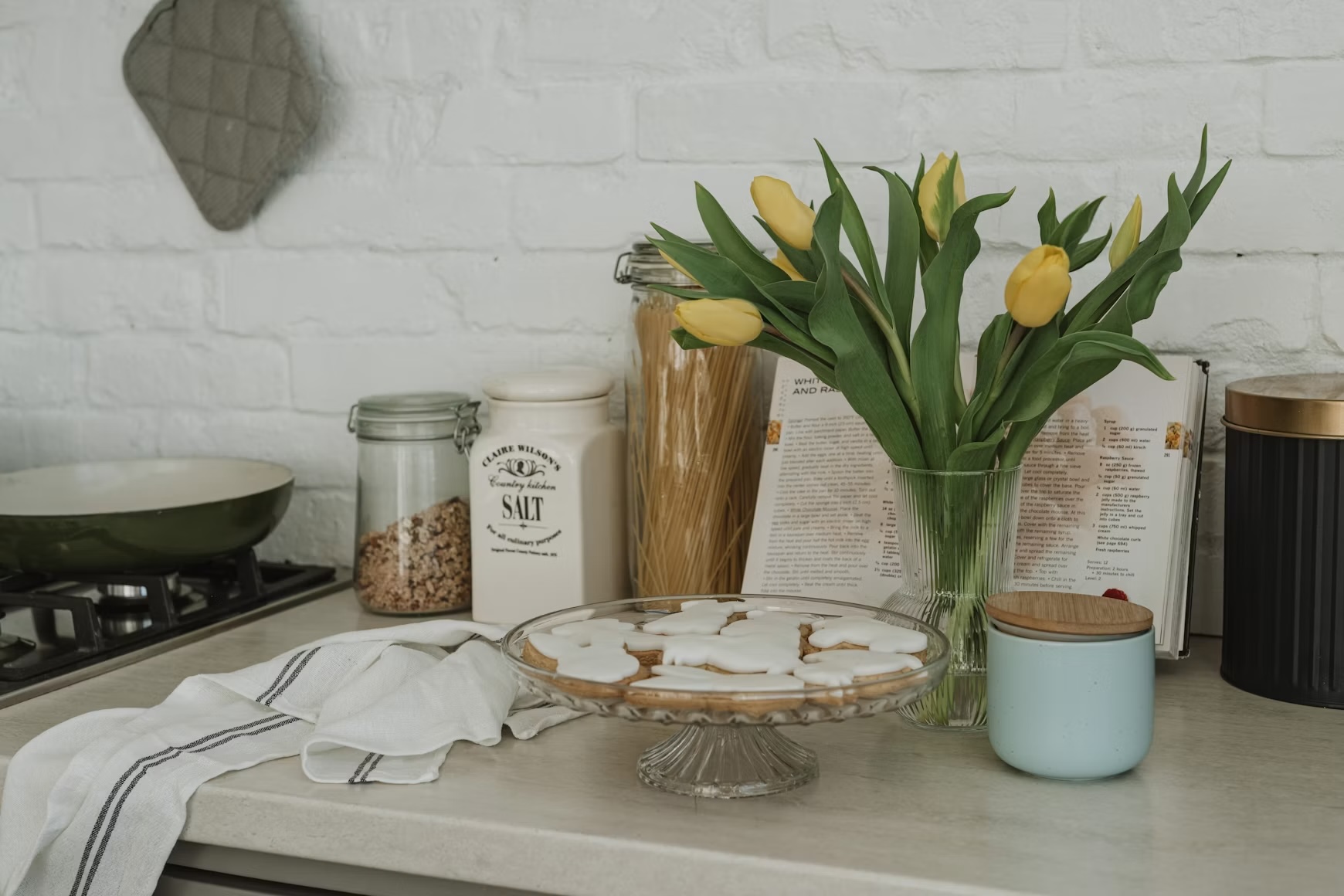
*Photo by Anita Austvikaanitaaustvika
References
- Endocrine Disruption via Synthetic Polymers: A comprehensive toxicology review published in Environmental Health Perspectives outlines how phthalates and BPA leaching from single-use packaging alter human endocrine health and promote chronic systemic inflammation.
- Microplastic Contamination and Environmental Vectors: Research shared by Science of The Total Environment details how the degradation of single-use consumer items into microplastics contaminates agricultural water tables and food chains over extended timelines.
- Behavioral Economics of Recurring Household Expenditures: A study in the Journal of Consumer Research confirms that automating the removal of low-cost, repetitive disposable purchases (the Repetitive Purchase Loop) significantly improves household micro-savings margins and eases consumer decision fatigue.
- The Biopsychosocial Benefits of Minimalism: Clinical insights from the Journal of Positive Psychology illustrate that shifting away from consumer-driven sustainability trends toward self-sufficient upcycling models correlates with lower daily stress metrics and a higher subjective sense of personal autonomy.