Why caring for your space may also be caring for your mind
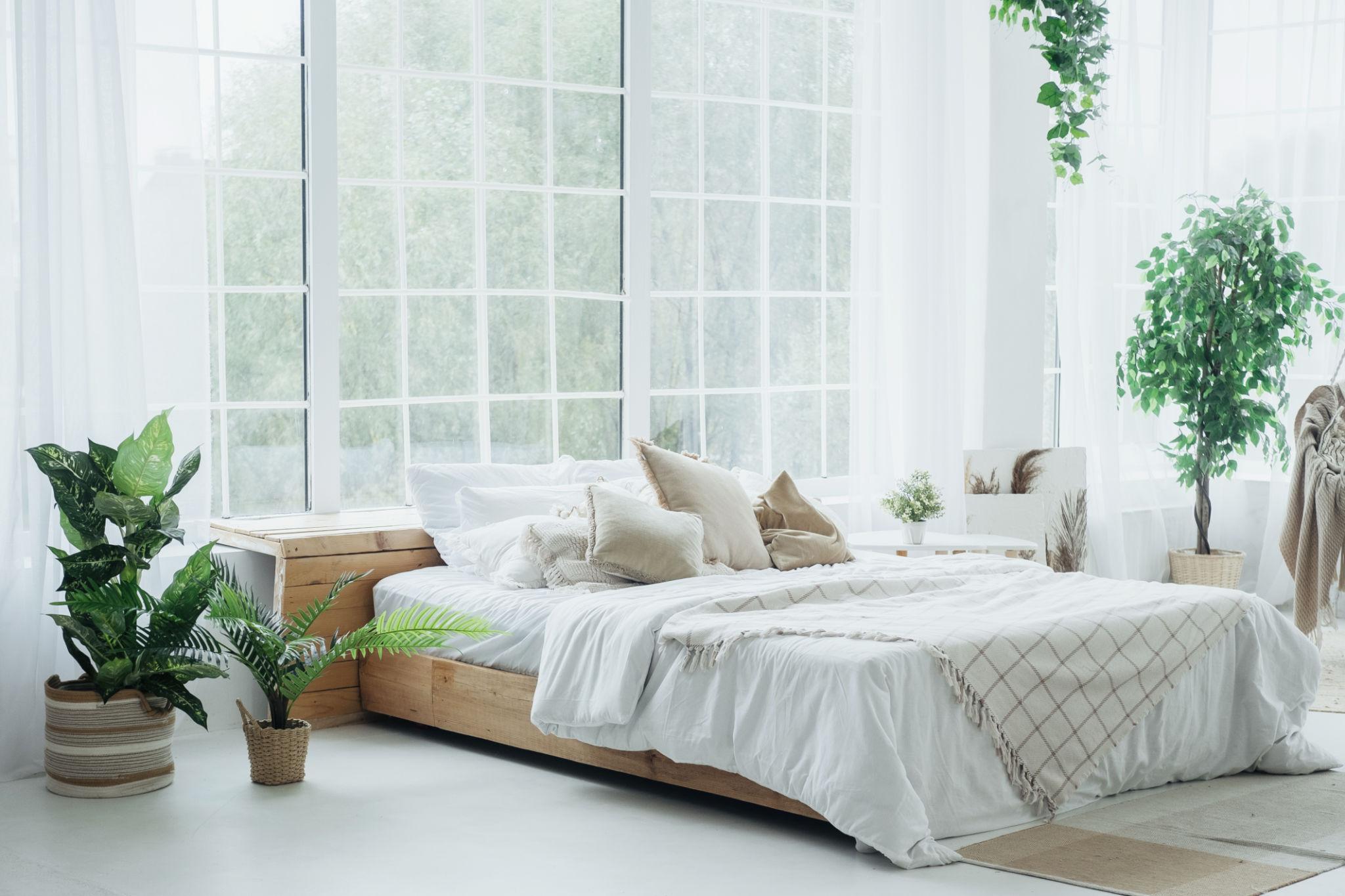
A freshly made bed.
Windows opened to let in the morning breeze.
Sunlight spilling across a clean floor.
Fresh towels waiting after a warm shower.
These simple moments are often missing on lists of the latest wellness trends. But they quietly shape how we feel from the moment we wake up until the day comes to a close.
Research Says Cleaning Supports Mental Health and Wellness
Cleaning has long been viewed as a household responsibility, but a growing body of research suggests it may also be one of the simplest ways to support our mental and emotional well-being.
Environmental psychologists have found that the spaces we live in influence our mood, attention, and stress levels. Cluttered environments compete for our attention, making it harder for the brain to focus while subtly increasing feelings of overwhelm. By contrast, clean, organized spaces are associated with a greater sense of calm, improved concentration, and a feeling of control over daily life.
READ: The Week We Stop Chasing More
Researchers at Princeton University, for example, found that visual clutter makes it more difficult for the brain to process information efficiently because competing objects constantly demand our attention. Meanwhile, studies from the University of California, Los Angeles (UCLA) have linked chronically cluttered homes with higher levels of stress, particularly among women.
Small Joys
Cleaning also offers something that extends beyond appearance. It creates small moments of accomplishment. Folding freshly laundered clothes, organizing a desk, or making the bed are simple tasks with visible results. Psychologists suggest that completing manageable tasks can reinforce a sense of competence and reduce feelings of mental overload, especially during stressful periods.
Perhaps this is why many people instinctively tidy their surroundings before beginning something new. A clean room often brings a clearer mind.
The Joyful Wellness Way
At Joyful Wellness, we believe preventive health begins with ordinary habits repeated consistently. Cleaning our homes, opening the curtains to welcome natural light, washing our hands, changing bed linens regularly, and maintaining personal hygiene are all small acts that support both physical health and emotional well-being.
More importantly, these everyday rituals send ourselves a quiet message:
“I deserve a space that helps me feel well.”
Wellness is often perceived to begin with expensive gym memberships or complicated routines. How about starting with a broom, a bucket of soapy water, a freshly made bed, or the decision to create a peaceful corner where we can breathe, think, and rest?
And once our surroundings become calmer, we will find ourselves ready for something else our minds have quietly been longing for.
Music.
In our next story, we’ll explore how melodies, rhythms, and even our favorite songs can lower stress, improve mood, and become powerful companions on our journey toward better health. After we have cared for the spaces around us, healing continues with the sounds that fill them.
The Science Behind This Story
Our surroundings shape more than the appearance of our homes—they influence how we think, feel, and function every day.
Research in environmental psychology has shown that cluttered environments compete for our attention, making it harder to concentrate and increasing feelings of stress. A study from the Princeton University Neuroscience Institute found that visual clutter reduces the brain’s ability to process information efficiently. Meanwhile, researchers from the UCLA Center on Everyday Lives of Families (CELF) observed that chronically cluttered homes were associated with higher stress levels, particularly among women.
Cleaning also provides a sense of accomplishment. Behavioral psychology suggests that completing manageable tasks can improve mood and reinforce feelings of competence, especially during periods of stress or uncertainty.
At Joyful Wellness, we believe these everyday routines—from making the bed to opening the windows and caring for our personal spaces—are small acts of preventive health that support both body and mind.
References
- McMains, S., & Kastner, S. (2011). Interactions of Top-Down and Bottom-Up Mechanisms in Human Visual Cortex. Princeton University Neuroscience Institute.
- Saxbe, D. E., & Repetti, R. L. (2010). No Place Like Home: Home Tours Correlate With Daily Patterns of Mood and Cortisol. Personality and Social Psychology Bulletin.
- UCLA Center on Everyday Lives of Families (CELF). Life at Home in the Twenty-First Century.
- American Psychological Association. Stress in America reports (environment, stress, and coping).