
Can Diet and Exercise Really Help Protect the Brain?
Most people have witnessed Alzheimer’s disease in one way or another.
It may be a grandparent who slowly forgets familiar faces. A parent who begins repeating the same stories. A loved one who remembers events from decades ago but struggles to recall what happened this morning.
For many families, Alzheimer’s disease is one of the most feared consequences of aging, because of what it does to memory and how it gradually changes a person’s independence, relationships, and sense of self.
Yet as researchers learn more about the disease, an important question has emerged:
Can we reduce the risk of Alzheimer’s before symptoms even begin?
The answer is both encouraging and complicated.
Scientists do not currently consider Alzheimer’s disease completely preventable. There is no guaranteed way to avoid it. However, growing evidence suggests that lifestyle choices including diet, exercise, sleep, and cardiovascular health may significantly influence a person’s risk.
In other words, while we may not control every factor, we are learning that brain health begins long before memory problems appear.
What Exactly Is Alzheimer’s Disease?
Alzheimer’s disease is a progressive, irreversible brain disorder that is the most common cause of dementia. It slowly destroys memory, thinking skills, and the ability to perform basic daily tasks.
According to the National Institute on Aging, Alzheimer’s accounts for an estimated 60% to 80% of dementia cases.
The disease develops when abnormal proteins build up in the brain. Two of the best-known are amyloid-beta plaques and tau tangles. Over time, these changes damage brain cells and disrupt communication between neurons.
Symptoms usually begin gradually and worsen over the years.
Common early signs include:
- Frequent memory lapses
- Difficulty finding words
- Trouble following conversations
- Misplacing objects
- Confusion with time or place
- Changes in judgment and decision-making
As the disease progresses, everyday tasks become increasingly difficult.
MUST-READ: When Memories Fade: New Frontiers in Alzheimer’s Care and Innovation
Why Alzheimer’s Is Becoming a Bigger Concern
One reason Alzheimer’s is receiving more attention is simple: people are living longer.
According to the World Health Organization, more than 55 million people worldwide are currently living with dementia, and that number is expected to increase as populations age.
Age remains the strongest risk factor for Alzheimer’s disease.
However, researchers have discovered that aging alone does not tell the whole story.
Many people reach their 80s and 90s without developing dementia, while others experience cognitive decline much earlier.
This has led scientists to investigate which factors may help protect the brain throughout life.
The Link Between Heart Health and Brain Health
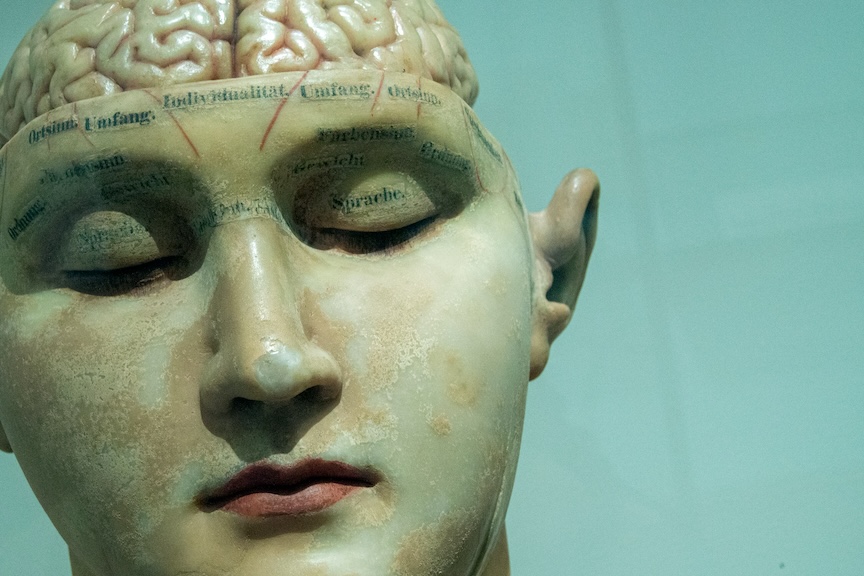
Photo by David Matos on Unsplash
One of the most important discoveries in recent years is that what is good for the heart is often good for the brain.
Conditions such as:
- High blood pressure
- Diabetes
- Obesity
- Smoking
- High cholesterol
have all been linked to a higher risk of cognitive decline later in life.
Researchers now believe that poor cardiovascular health may reduce blood flow to the brain, increase inflammation, and contribute to the processes that drive Alzheimer’s disease.
This helps explain why lifestyle habits have become such a major focus of prevention research.
Can Diet Really Make a Difference?
The short answer is yes, but perhaps not in the way many people imagine.
There is no single “anti-Alzheimer’s food.”
Instead, researchers consistently find benefits from overall dietary patterns.
Among the most studied are the Mediterranean Diet and the MIND Diet, which emphasize:
- Leafy green vegetables
- Fruits and berries
- Whole grains
- Nuts
- Beans and legumes
- Fish
- Olive oil
- Limited processed foods and red meat
A large review published in Nutrients found that these dietary patterns are associated with slower cognitive decline and better brain health as people age.
Scientists believe these diets help by reducing inflammation, improving blood vessel health, and protecting brain cells from oxidative stress.
The result is not a guarantee against Alzheimer’s, but a healthier environment for the brain to function over time.
Why Exercise Matters for the Brain
If there is one lifestyle habit that repeatedly appears in Alzheimer’s research, it is physical activity.
Exercise does much more than strengthen muscles and improve fitness.
Studies show that regular aerobic activity increases blood flow to the brain and stimulates the production of Brain-Derived Neurotrophic Factor (BDNF), sometimes called “fertilizer for the brain.”
BDNF helps support the growth and survival of neurons and plays an important role in learning and memory.
Research has also found that regular exercise may help preserve the hippocampus, the area of the brain heavily involved in memory formation and one of the first regions affected by Alzheimer’s disease.
Health experts generally recommend at least 150 minutes of moderate physical activity per week.
That can include:
- Brisk walking
- Cycling
- Swimming
- Dancing
- Gardening
- Recreational sports
The best exercise is often the one a person can maintain consistently.
The Bigger Picture: A Healthy Lifestyle
One of the strongest studies on Alzheimer’s prevention combined multiple lifestyle factors rather than looking at diet or exercise alone.
Researchers found that people who consistently practiced several healthy habits—including regular physical activity, healthy eating, not smoking, moderate alcohol consumption, and mentally stimulating activities—had a substantially lower risk of developing Alzheimer’s dementia.
This suggests that brain health is shaped by many small decisions repeated over decades.
EXPLORE: Top 4 Ways to Unlock Longevity: The Age of Regeneration is at Hand
What About New Treatments?
Recent advances in Alzheimer’s research have generated excitement.
Scientists are developing medications that target amyloid proteins in the brain, and blood-based biomarker tests are making earlier detection increasingly possible.
A recent article in Nature described how researchers are moving toward identifying Alzheimer’s disease years before symptoms appear, opening the possibility of earlier intervention and more personalized treatment.
This represents one of the most promising developments in modern neurology.
Yet many experts emphasize that prevention remains just as important as treatment.
While science works to develop better therapies, maintaining brain health through lifestyle remains something individuals can start today.
A Message of Hope
Alzheimer’s disease remains one of medicine’s greatest challenges.
No diet can guarantee protection. No exercise routine can eliminate risk.
But the growing body of research offers something valuable: hope grounded in evidence.
The same habits that support longevity, cardiovascular health, and overall well-being may also help protect the brain.
A healthy meal. A daily walk. A good night’s sleep. Meaningful social connections.
These actions may seem ordinary.
Yet when repeated over years, they may become some of the most powerful investments we can make for a longer life, and for a life in which our memories remain part of the journey.
Editor’s Note:
This article is for general information only and does not replace professional medical advice. Please consult your healthcare provider for personalized care.
getty-images-W-n5iBmAA-4-unsplash.jpg
References
- Nature. Can Diet and Exercise Really Prevent Alzheimer’s? (2025).
- National Institute on Aging (NIA). What Do We Know About Diet and Prevention of Alzheimer’s Disease?
- Xu W. et al. Healthy Lifestyle and the Risk of Alzheimer Dementia. JAMA Neurology / Rush Memory and Aging Project. Available via PMC: https://pmc.ncbi.nlm.nih.gov/articles/PMC9656789/
- Frontiers in Nutrition. Dietary Patterns and Alzheimer’s Disease: Current Evidence (2023).
- Nutrients. Dietary Strategies for Alzheimer’s Disease Prevention and Brain Health (2025).
- World Health Organization. Dementia Fact Sheet.
- Harvard Gazette. Alzheimer’s Study Finds Diet and Lifestyle Changes Yield Improvements.
- National Institute on Aging. Alzheimer’s Disease Fact Sheet.
- Psychology Today. Can You Prevent Alzheimer’s Disease with Diet and Exercise?
- Alzheimer’s Association. 2025 Alzheimer’s Disease Facts and Figures.