

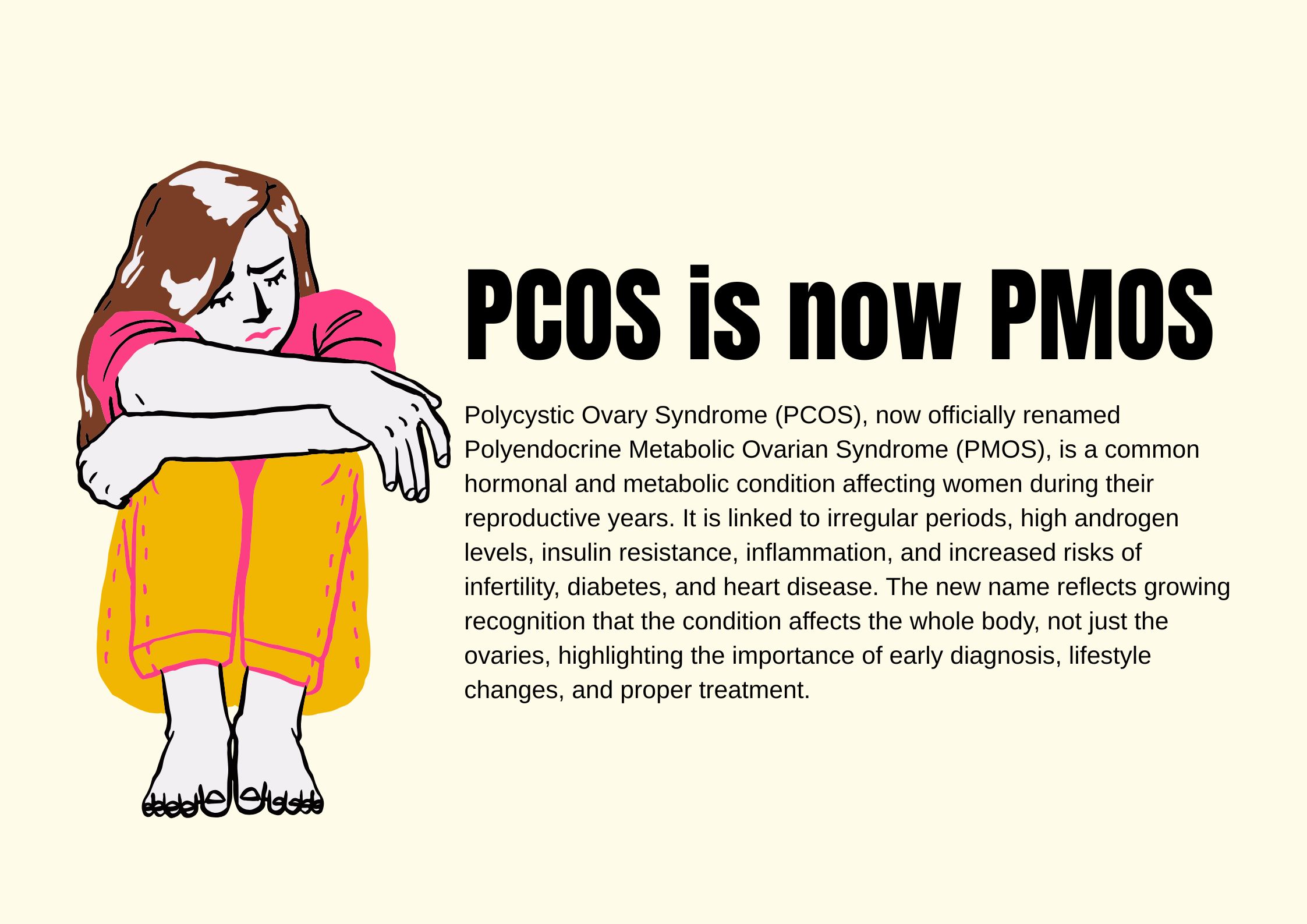
For many women, Polyendocrine Metabolic Ovarian Syndrome (PMOS) begins silently.
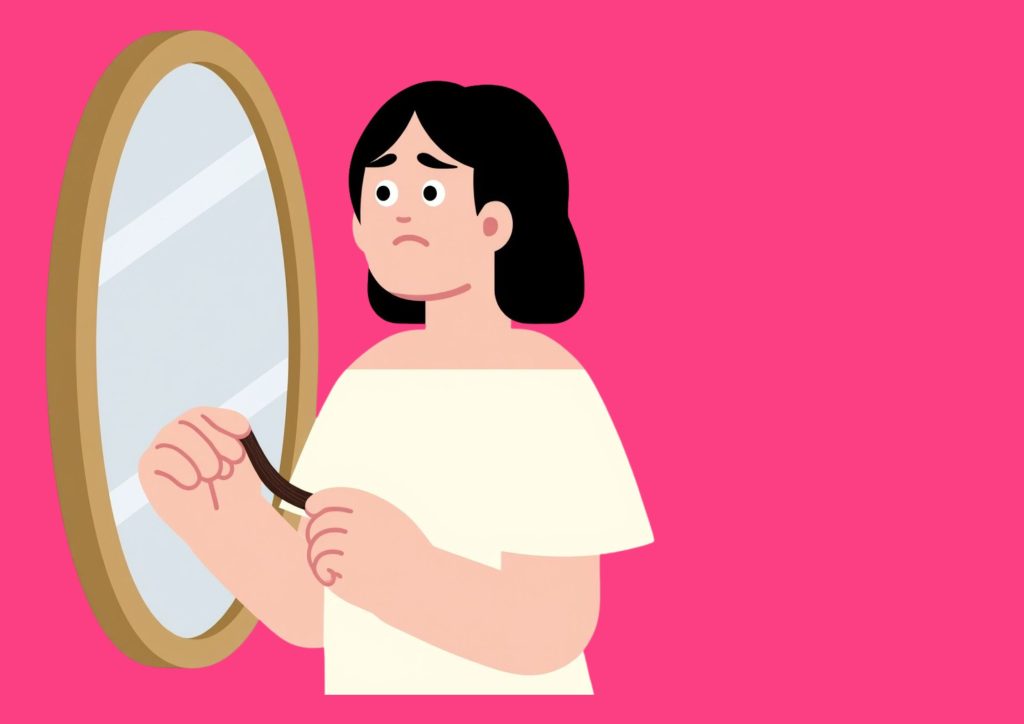
A period becomes irregular. Weight starts shifting in ways that feel difficult to explain. Acne lingers beyond adolescence. Hair appears where it did not before, or disappears where it once felt thick and familiar. Some women spend years treating these symptoms separately before realizing they are connected by one underlying condition.
And increasingly, experts are warning that PMOS overrides fertility issue.
It is also a metabolic health story.
According to the World Health Organization, Polyendocrine Metabolic Ovarian Syndrome affects an estimated 10% to 13% of women of reproductive age globally, making it one of the most common hormonal disorders in women. Yet WHO also says up to 70% of affected women remain undiagnosed.
That gap matters because PCOS reaches far beyond the ovaries. It affects insulin regulation, cardiovascular health, inflammation, mental well-being, and long-term disease risk. In other words, PMOS is more than periods or pregnancy. It is increasingly being understood as a lifelong endocrine and metabolic condition that touches nearly every system in the body.
The root problem may not begin in the ovaries
READ: PCOS, Fatigue, and Chronic Pain: What Women Need to Know
Despite its name, many experts now describe PCOS primarily as a metabolic disorder with reproductive consequences, rather than the other way around.
According to the Mayo Clinic and Johns Hopkins Medicine, insulin resistance plays a major role in many PCOS cases. Insulin is the hormone that helps move sugar from the bloodstream into cells for energy. When the body becomes resistant to insulin, it compensates by producing more of it.
That excess insulin can stimulate the ovaries to produce more androgens, sometimes called “male hormones,” including testosterone. Elevated androgen levels are linked to acne, excess facial or body hair, scalp hair thinning, irregular ovulation, and disrupted menstrual cycles.
Meanwhile, insulin resistance itself is associated with increased risk of type 2 diabetes, fatty liver disease, and cardiovascular disease.
This is one reason many clinicians now focus beyond symptom management, and observe metabolic health.
The question is no longer simply, “How do we regulate the cycle?”
It is also, “What is happening underneath the cycle?”
The lifestyle shift medicine now takes seriously
One of the strongest scientific findings surrounding PMOS is that relatively modest lifestyle changes can significantly improve symptoms.
According to the 2023 International Evidence-based Guideline for the Assessment and Management of PMOS, lifestyle intervention remains first-line therapy for many women, particularly those experiencing insulin resistance or weight-related metabolic complications.
Even a 5% to 10% reduction in body weight has been associated with improvements in ovulation, insulin sensitivity, menstrual regularity, and androgen levels.
That matters because the public conversation around PMOS often becomes emotionally trapped in appearance-based symptoms. Yet the science increasingly points toward daily metabolic habits:
- blood sugar regulation
- sleep
- stress
- physical activity
- food quality
- inflammation
In other words, lifestyle is being treated as biological intervention.
Why food matters more than women are often told
Nutrition has become one of the most important conversations in PMOS management.
Research consistently supports dietary approaches that stabilize blood sugar and reduce inflammatory load. According to Harvard T.H. Chan School of Public Health, diets emphasizing fiber-rich vegetables, whole grains, legumes, lean proteins, and healthy fats may help improve insulin resistance and hormonal balance in women with PMOS.
Meanwhile, refined carbohydrates and highly processed foods may worsen insulin spikes and inflammation.
This is why Mediterranean-style eating patterns are increasingly recommended for women with PMOS. These emphasize:
- vegetables
- fruits
- olive oil
- legumes
- fish
- nuts
- minimally processed foods
Rather than extreme dieting, many specialists now advocate sustainable metabolic eating.
The goal is stability.
Exercise changes hormones too
Movement also plays a larger role than many women realize.
According to a 2023 review in Nutrients, regular physical activity improves insulin sensitivity, lowers androgen levels, and supports cardiovascular health in women with PMOS. Both aerobic exercise and resistance training appear beneficial.
Strength training, in particular, has gained attention because muscle tissue helps improve glucose utilization and insulin response.
Meanwhile, stress regulation matters too.
Emerging research suggests that yoga and mindfulness-based practices may help lower stress hormones and improve emotional well-being in women with PMOS. A 2024 review in Frontiers in Endocrinology noted that stress and chronic inflammation may contribute to hormonal dysregulation in PMOS, reinforcing the importance of nervous system regulation alongside metabolic care.
Hence, treatment is becoming broader.
PMOS management is no longer viewed simply as a gynecologic issue. It increasingly overlaps with endocrinology, nutrition, cardiometabolic medicine, mental health, and lifestyle science.
Fertility is only part of the story
For many women, PMOS first becomes visible during attempts to conceive.
According to the American College of Obstetricians and Gynecologists (ACOG), PMOS is one of the leading causes of ovulatory infertility because irregular ovulation can make conception more difficult.
Nevertheless, fertility is only one chapter of the condition.
The deeper concern is what happens over decades if insulin resistance, inflammation, and metabolic dysfunction remain unmanaged.
According to WHO, women with PMOS face increased risks of:
- type 2 diabetes
- hypertension
- cardiovascular disease
- sleep apnea
- anxiety and depression
- endometrial cancer
This is why experts increasingly refer to PMOS as a chronic condition requiring lifelong monitoring, going beyond temporary symptom control during reproductive years.
The emotional burden women carry quietly
The physical symptoms of PMOS are visible. The emotional burden is often less so.
A 2023 review in Frontiers in Psychology found that women with PMOS experience significantly higher rates of anxiety, depression, body dissatisfaction, and reduced quality of life compared with women without the condition.
That emotional strain is profound.
Many women describe feeling disconnected from their own bodies. Some struggle with weight stigma. Others feel exhausted by years of irregular symptoms, delayed diagnoses, or comments about appearance and fertility.
This is one reason newer conversations around PMOS increasingly include body neutrality and self-compassion.
Health matters, but shame itself can become another chronic stressor.
The bigger women’s health warning
Perhaps the most important shift in PMOS research is this: the condition is forcing medicine to rethink how women’s health is approached altogether.
PMOS sits at the intersection of:
- hormones
- metabolism
- inflammation
- mental health
- nutrition
- cardiovascular risk
- fertility
- lifestyle
- environment
It is, in many ways, a modern condition shaped by modern life:
- ultra-processed food
- chronic stress
- sedentary work
- sleep disruption
- digital overstimulation
- metabolic imbalance
And so, PMOS is becoming more than a diagnosis.
It is also becoming a warning signal about the environments women are living in.
Beyond symptom management
The science surrounding PMOS continues to evolve, but one message has become increasingly clear: women deserve earlier recognition, better education, and more compassionate care.
PMOS cannot always be “cured.” Nevertheless, symptoms and long-term risks can often be improved significantly through earlier intervention and sustainable lifestyle support.
That is why the conversation is shifting from quick fixes toward long-term health span.
Instead of:
“How do we hide the symptoms?”
It becomes:
“How do we help women feel hormonally, metabolically, and emotionally healthier over time?”
Because ultimately, PMOS is beyond the ovaries.
It is about how women live inside their bodies every day.
*This article is for general information only and does not replace professional medical advice. Please consult your healthcare provider for personalized care.
References:
- World Health Organization (WHO) – Polycystic Ovary Syndrome Fact Sheet
- International Evidence-based Guideline for the Assessment and Management of PCOS (2023)
- Mayo Clinic – Polycystic Ovary Syndrome (PCOS): Diagnosis and Treatment
- Johns Hopkins Medicine – PCOS Overview and Treatment
- Harvard T.H. Chan School of Public Health – Diet and Insulin Resistance
- American College of Obstetricians and Gynecologists (ACOG) – PCOS
- Nutrients (2023) – Exercise and Metabolic Outcomes in PCOS
- Frontiers in Endocrinology (2024) – Stress, Inflammation, and PCOS
- Frontiers in Psychology (2023) – Mental Health and Quality of Life in Women with PCOS