
It came down, as these things often do, to a fifth set.
Are we thinking about the clean, commanding finish of a dominant team, or the kind that asks something deeper of the body, of the mind, of whatever reserve athletes keep hidden until there is nothing left but instinct and will?
Yes, the Creamline Cool Smashers had already taken the long road to get here. Across the net stood the Cignal HD Spikers, steady, unrelenting, unwilling to yield. The Premier Volleyball League All-Filipino Conference had saved its most honest moment for last.
At 7–9 in the final set, the match felt as if it were tilting slightly, but perceptibly away.
And then, something shifted.
The Body Remembers What the Mind Forgets
Elite athletes rarely describe these moments as conscious decisions. There is no time for deliberation when a ball travels faster than thought. Instead, there is a kind of remembering, the body recalling thousands of repetitions, the nervous system choosing steadiness over panic.
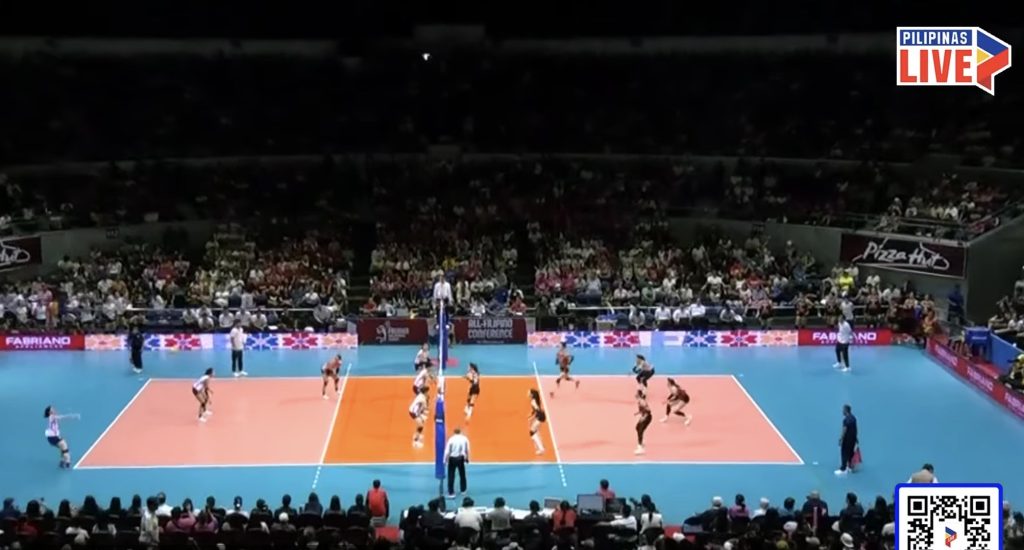
A 6–1 run unfolded, not dramatically, but decisively.
A block from Pangs Panaga.
A push to championship point by Tots Carlos.
And then, fittingly, it ended the way so many crucial points do without spectacle, but with resistance. Another block. Another refusal.
In sports science, this is often described as clutch performance, the ability to execute under pressure. But that term feels clinical for what is, in truth, a negotiation between fear and trust.
The body asks: Can you hold?
The mind answers: Just this point.
The Quiet Authority of Leadership
At the center of it all was Alyssa Valdez, not always the loudest presence on the court, but often the steadiest.
Leadership, in moments like these, is rarely about dramatic gestures. It is about emotional regulation: the ability to quiet a team’s internal noise, to make space for clarity. A glance, a nod, a small recalibration of energy.
Athletes speak of it as “composure.”
Psychologists might call it co-regulation, one nervous system steadying another.
Whatever the term, it is felt more than seen.
The Weight of the Final Touch
There is something quietly revealing about who takes the final serve.
Is it always the most explosive player or the one with the most points, or the one the team trusts to hold the moment without letting it slip into excess? It is the one who understands that at the edge of victory, restraint matters as much as force.
For the Creamline Cool Smashers, that role has, over time, come to rest almost naturally in the hands of Valdez.
It has become something like a quiet tradition.
The final serve is less about ending the game than it is about closing it well, a gesture of composure, of trustworthiness earned over years. Trust, after all, beyond a single act of brilliance, but on repeated evidence: the ability to show up, again and again, in moments that tighten rather than release.
And so when she steps to the line, the moment does not feel hurried. It settles.
The body aligns. The breath steadies. The noise recedes just enough.
What follows is a shining moment of reliability, the ultimate serve, the championship’s final touch.
The Crowd as a Living Pulse
Seventeen thousand voices filled the Smart Araneta Coliseum, something closer to a shared heartbeat.
There is a particular kind of joy that only exists in crowds. It is not owned by any one person. It moves—between strangers, across rows, through the air. And it amplifies, softens, and returns.
In wellness terms, this is collective effervescence, a phenomenon where shared emotional experiences heighten well-being. It explains why victories feel larger when witnessed together, and why even those who simply watch feel changed by the outcome.
On that night, joy was impossible to be contained to the court. It spilled outward.
Holding the Story, Frame by Frame
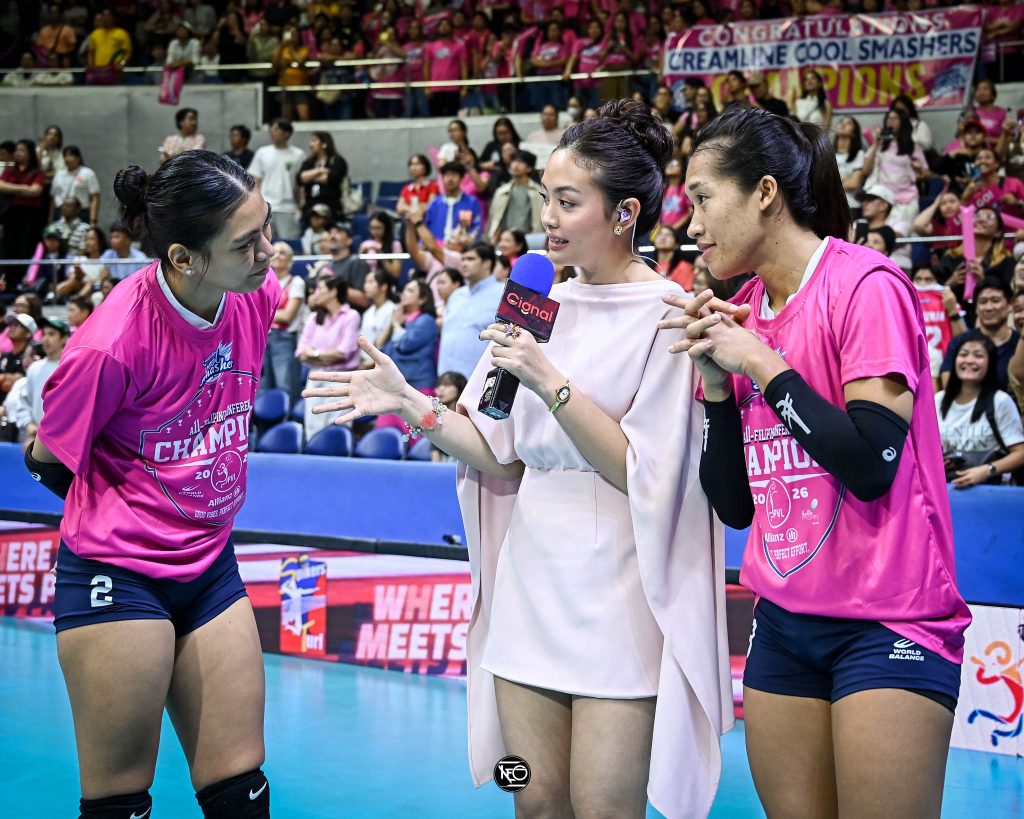
Just beyond the lines, where the game softens into narrative, the courtside reporters gathered the fragments as they fell, emotion still fresh, breath still uneven.
Lexi Rodriguez, and Kyla Kingsu moved between players and crowd, translating intensity into language, immediacy into memory.
It is easy to overlook this role, but it matters. They give shape to fleeting moments, allowing them to linger just a little longer.
Grace, Even in Victory
Victory, when it is real, rarely rushes to celebrate itself.
Before the cheers fully rise, before the confetti finds its rhythm, there is often a quieter instinct to acknowledge the struggle on the other side of the net.
Valdez, who has long carried both expectation and admiration with a kind of ease, did what she has consistently done: she turned, and reached out.
Across from her was Vanie Gandler, who had given everything the match demanded, every jump, every swing, every attempt to hold the line just a little longer. There is a particular dignity in that kind of effort, even in defeat.
The exchange between them was brief, almost easy to miss. But it held something essential.
Humility, in sport, is not the diminishing of one’s own achievement. It is the recognition that excellence does not exist in isolation—it is drawn out, sharpened, and revealed by the presence of another who refuses to yield.
In that moment, the match ended in acknowledgment.
THIS IS BEAUTIFUL: 7 Wellness Lessons from Pooh and Piglet That Still Make Sense Today
What Remains After the Final Point
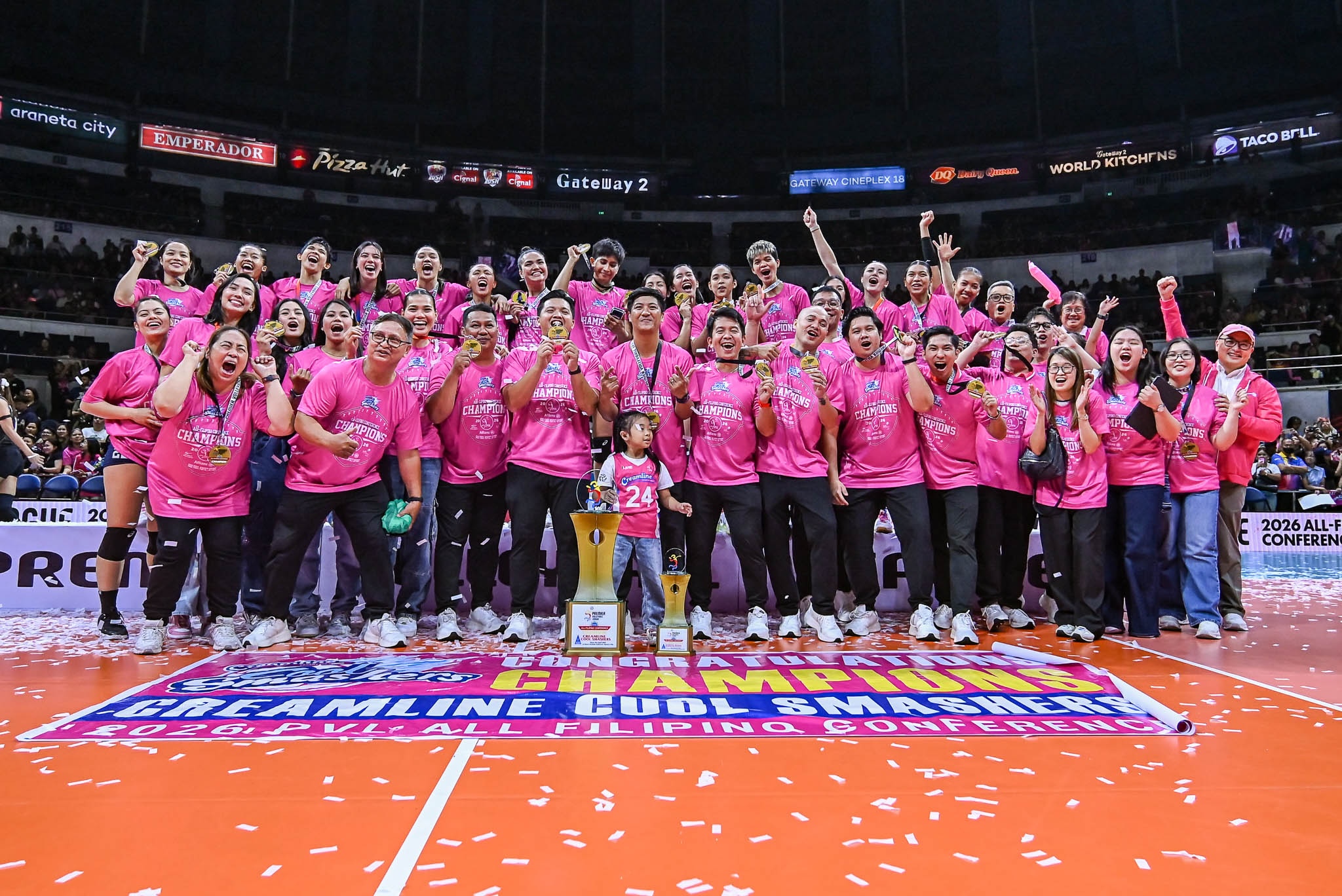
When the last ball dropped and the confetti settled, the Creamline Cool Smashers had secured their “Heaven Eleven” 11th title, a redemption story written in endurance.
What lingers is the image of a team down by two points in the final set, choosing point by point to take their time, unwilling to rush, refusing to surrender to the noise.
To be trusted with the final serve.
To meet victory without excess.
And to see, clearly, the effort of the one across the net.
There is a quiet lesson here, one that extends beyond sport:
That pressure is something to move through.
That the body, when trained with care, often knows the way forward.
And that joy, when it finally arrives, feels earned in ways that are difficult to articulate, but easy to recognize.
Photo from PVL, Lexi Rodriguez, and some screengrabs
References:
Research on clutch performance in sports psychology
Studies on collective effervescence and well-being
Athlete recovery and nervous system regulation