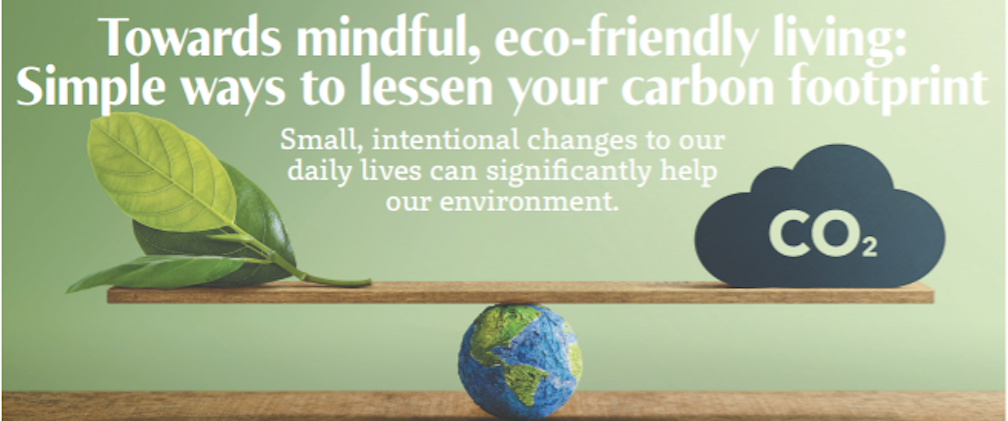
Recent environmental discussions have focused on carbon footprints—the totality of greenhouse gases emitted by human activities. All things are considered, from our food choices to the transportation we fancy. After all, whatever we decide on affects our environment, one way or another.
When we make a conscious decision to lessen our carbon footprint, it entails sacrifices and lifestyle adjustments. We understand that it’s a huge undertaking in the grand scheme of things, but we can make our contributions in our own, simple ways.
RETHINKING YOUR MEAT CONSUMPTION

For some people, meat is life—they cannot live without it in their meals. But when we talk about our carbon footprints, it’s wise to lessen our meat consumption.
It all boils down to the energy used—from rearing, producing, and transporting goods. Raising animals forms a larger carbon footprint than growing plants. Studies show that in food production, meat products, such as beef, lamb, and shellfish (yes, seafood meat), generate higher greenhouse gas emissions than rice and grains, eggs, tofu, and legumes.
Experts recommend reducing meat consumption and exploring other alternatives to meet dietary needs. For instance, people can add high-protein vegetables and legumes to their meals.
It’s understandable, however, that some people cannot forgo meat products for various reasons, such as culture and an unstable economy. The key is to lessen consumption. When there’s a plethora of choices available within our means, we make a conscious decision to eat less meat.
APPROACH TRANSPORTATION DIFFERENTLY
Transportation plays a huge role in our daily lives. It helps us accomplish our tasks, from going to work to running errands. However, it’s also a major driver of climate change—it’s responsible for a huge portion of global greenhouse emissions. Passenger cars, medium- and heavy-trucks, and light trucks are considered the largest sources of emissions in the transportation sector.
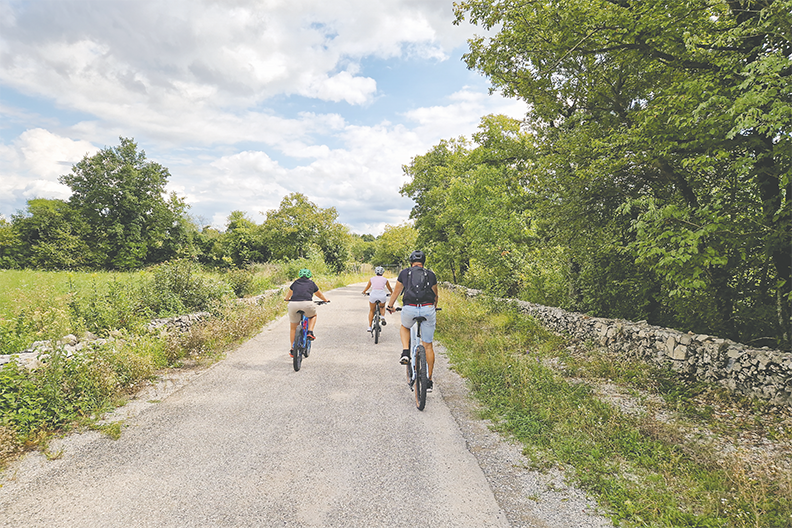
To lessen one’s carbon footprint, one can opt to drive less and arrange trips accordingly. People can utilize other modes of transportation, such as biking or even walking. Strategically planning shopping trips to reduce car use can also help cut carbon emissions.
A car’s air-conditioning unit uses a huge chunk of power, so using it less frequently can help reduce your carbon footprint, too. Assess the situation and ask yourself: do you need it, or are the winds outside enough to keep your car well-ventilated? Only activate the unit if needed.

Those who plan to buy a car may opt for a hybrid or electric vehicle, which can help cut their greenhouse gas emissions. This idea works well if you live in a neighborhood with an accessible charging port.
ADJUSTING HABITS
Changing our habits and lifestyle can help reduce our carbon footprint. Saving energy by turning off the lights and unplugging electronics when not in use can be a good start.

If your budget permits, you may also opt to incorporate renewable energy sources into your homes. Make sure to know what works best for you.
To make the most out of your fashion purchases, you can also donate them to those in need instead of immediately throwing them away.

During shopping trips, remind yourself to purchase only what you need to avoid wasting resources. It’s advisable to bring reusable containers and bags to avoid using more plastic.
CALLING FOR ACCOUNTABILITY
We can utilize various means to mitigate our greenhouse gas emissions, but the reality is that we can only do so much within our own capabilities.
It’s then important to hold leaders and influential figures accountable. It starts with policy, then with political will.
If food is accessible, transportation systems work properly, and the government works in favor of the people, we may be able to influence people to adjust their lifestyles and reduce their carbon footprints.
Editor’s Note:
This article was originally published as part of The Philippine Star’s Earth Day special. Its message felt quietly aligned with what we continue to explore at Joyful Wellness—the small, intentional choices that shape both personal wellbeing and the world we live in.
I thought it would be a meaningful addition to share it here, where conversations around health naturally extend beyond the body and into the environments we care for, and the habits we choose to keep.
Sometimes, living well also means learning to live with less—and doing so with intention.
References:
- Intergovernmental Panel on Climate Change (IPCC). Climate Change and Food Systems
- Food and Agriculture Organization (FAO). Livestock’s Long Shadow Report
- World Resources Institute (WRI). Food Emissions and Sustainability
- U.S. Environmental Protection Agency (EPA). Sources of Greenhouse Gas Emissions
- International Energy Agency (IEA). Transport and CO₂ Emissions