A Gen Z trend one can take part in without spending a single peso? Sign us up!
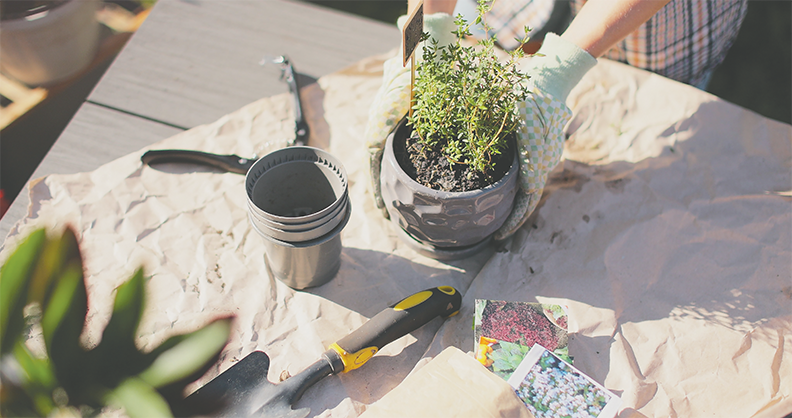
The trend “underconsumption core” is gaining traction among young people, especially on platforms like TikTok. It is where users share how they make the most out of what they already have. At its heart, it promotes a minimalist mindset, pushing back against the pressure to constantly buy more just to feel fulfilled.
As the world celebrates Earth Day, the idea feels even more relevant. Choosing to reuse, repurpose, and simply consume less isn’t just good for the wallet; it’s a quiet but powerful way to reduce waste and lessen one’s environmental impact.
When practiced collectively, this mindset goes beyond simply spending less. It encourages young people to make the most of what they already have, whether it’s food, clothing, or everyday essentials.
In its own way, it lays the groundwork for a more conscious lifestyle, one that can help make the planet a little greener.
INTENTIONAL LIVING
Less consumption naturally leads to less spending, and ultimately, more savings. But beyond the financial benefit, it also encourages a more mindful approach to how and why one consumes, buys, and uses everyday resources.
Intentional spending is key to fully embracing the underconsumption mindset, especially when budgeting for daily needs like groceries, home essentials, and other everyday items. It shifts the focus from impulse to purpose, making each purchase more considered.
The less you spend, the more deliberate your choices become. Making do with what you already have at home can ease you into a more minimalist lifestyle, one that avoids hoarding and reduces unnecessary waste.
And when intention is part of the process, sustainability follows. Before making a purchase, it helps to pause and ask: Can this be used long-term? Can it be maximized to its full potential? Small questions like these can lead to more responsible decisions, aligning everyday habits with the spirit of Earth Day.
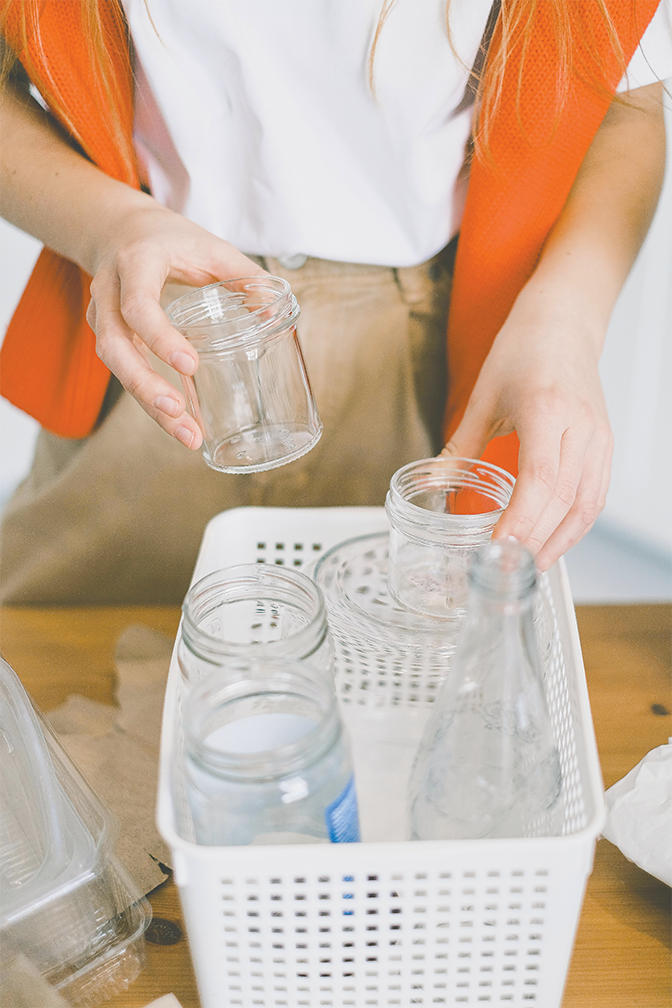
Turning old glassware into pen holders or reusing plastic bottles as plant pots are simple yet practical ways to give everyday items a second life. Small actions like these make it easier to build the habit of reusing what you already have at home.
Some are also advocating for shopping at thrift stores. Clothing, as an everyday necessity, can be sourced more sustainably this way, offering a practical alternative to buying brand new.
It also gives used clothing and other items another life, allowing pieces to be worn, restyled, and appreciated all over again instead of going to waste. This way, you can save on costs while keeping usable items out of landfills.
At the core of it all is understanding your needs and wants. Using this as a guide can help you determine whether an item truly has a place in your home, making your choices more intentional and aligned.
FOR A GREENER FUTURE
At the end of the day, underconsumption brings back this simple idea: less is more. It’s about making more intentional everyday choices, finding value in the things you have, and consuming with purpose.
It’s a simple practice that can shape not just our personal habits, but also how we care for the planet. These everyday choices add up, especially when we choose purpose over excess.
Sometimes, the more intention you bring to what you consume, the less you end up wasting.
Editor’s Note:
This article was originally published as part of The Philippine Star’s Earth Day special. Its message felt quietly aligned with what we continue to explore at Joyful Wellness—the small, intentional choices that shape both personal wellbeing and the world we live in.
I thought it would be a meaningful addition to share it here, where conversations around health naturally extend beyond the body and into the environments we care for, and the habits we choose to keep.
Sometimes, living well also means learning to live with less—and doing so with intention.
References:
- United Nations Environment Programme (UNEP). Sustainable Consumption and Production
- Environmental Protection Agency (EPA). Reducing Waste: What You Can Do
- Ellen MacArthur Foundation. Circular Economy and Waste Reduction
- WRAP UK. Sustainable Clothing and Textile Use