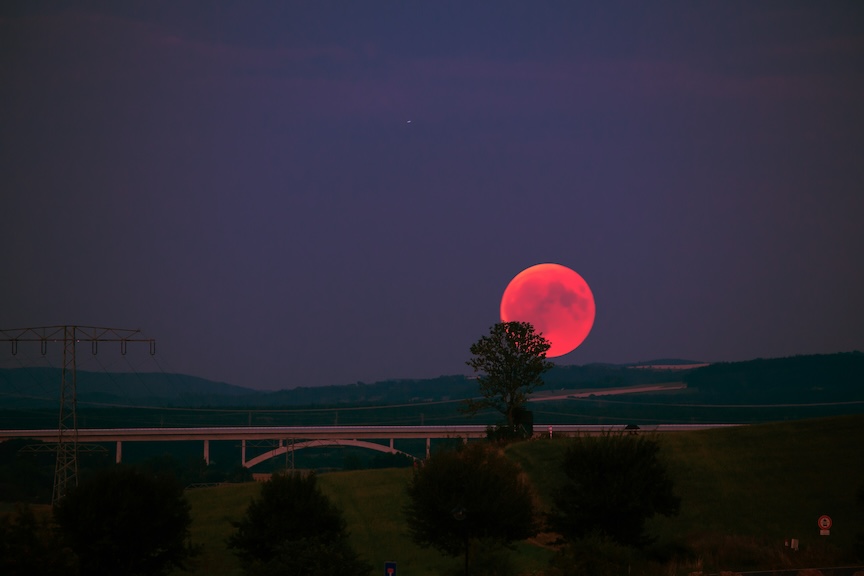
A few hours ago, many of us looked up at the sky and watched the moon darken.
The total lunar eclipse felt dramatic. For a while, the light dimmed. The moon turned copper. It almost looked as if something had gone wrong.
But nothing was wrong. The moon was simply moving through shadow. It stayed in orbit. The light returned.
Motivation works like that.
At the beginning of the year, energy feels high. Goals feel exciting. You promise yourself you will wake up earlier, eat better, exercise more, work smarter.
Then March arrives.
The alarm feels heavier. Work feels louder. The spark softens.
We assume we have failed.
Most of the time, we have not.
Motivation Was Never Meant to Last Forever
Motivation runs on novelty. The brain releases dopamine when something is new or uncertain. That is why fresh goals feel energizing.
Over time, the brain adapts. What once felt exciting becomes routine. This is normal biology.
If you depend only on motivation, consistency becomes fragile.
The problem is not that motivation fades. The problem is that we expect it not to.
EXPLORE: Why Lasting Change Begins in the Brain (Not Willpower)
Burnout Begins with Pressure, Not Laziness
When motivation drops, many people respond with self-criticism.
“I should try harder.”
“I’m being lazy.”
“I need to push through.”
Chronic pushing activates the stress response. Sleep shortens. Irritability increases. Focus narrows. The body stays tense.
Burnout is prolonged stress without recovery.
Instead of pushing harder, consider doing something steadier.
Shift from Motivation to Rhythm
Motivation is a feeling. Rhythm is a structure.
Rhythm says:
- I walk every evening after dinner.
- I plan meals every Sunday.
- I sleep at the same hour most nights.
When habits become predictable, they require less emotional energy.
You do not have to feel inspired to follow a rhythm.
You simply show up.
Start with the Nervous System
Before asking yourself to perform better, ask: Am I regulated?
Try small resets:
- Slow your breathing for two minutes.
- Step outside for sunlight.
- Move your body for 15 minutes.
- Go to bed earlier than usual tonight.
Often, motivation returns when the body feels safe.
Make Progress Smaller
Burnout grows when goals are too large and timelines too tight.
Instead of aiming to transform everything, aim to complete one thing.
Send one email.
Take one walk.
Cook one simple meal.
Schedule one screening.
Small completions rebuild momentum.
The brain responds well to finished tasks.
Expect Cycles
The eclipse tonight lasted only a few hours. The moon did not panic. It did not abandon its path. It moved through shadow.
Energy has seasons too.
Some weeks you will feel sharp and productive. Other weeks will feel slower. This does not erase your progress.
Health is built across months and years.
Not every day needs to be brilliant.
Remember Why You Began
When motivation fades, reconnect to meaning.
Why did you want to exercise?
And why did you care about sleep?
Why did you set this goal?
Goals tied to values last longer than goals tied to hype.
Meaning steadies what excitement cannot.
Keep Going — Gently
Staying well rarely has to do with burning bright every day.
It is about staying in motion without burning out.
Protect your sleep.
Move consistently.
Simplify your habits.
Stay connected.
Allow shadow without calling it failure.
Like the moon, you remain whole even when the light dims.
Motivation may fade.
Steadiness carries you forward.
photo_by_robert wiedemann_unsplash
References:
WHO (2019). Burnout recognized as an occupational phenomenon.
McEwen, B.S. (2007). Stress and allostatic load research.
Herring et al. (2010). Exercise and anxiety reduction studies.