

This article is inspired by ‘Patient’s vision restored, brain tumor removed through eyebrow surgery at The Medical City’
A groundbreaking neurosurgical procedure at The Medical City (TMC) has successfully restored the vision of a patient suffering from a brain tumor, utilizing a minimally invasive technique performed through the eyebrow.
This innovative approach marks a significant advancement in treating tumors affecting the optic nerves.
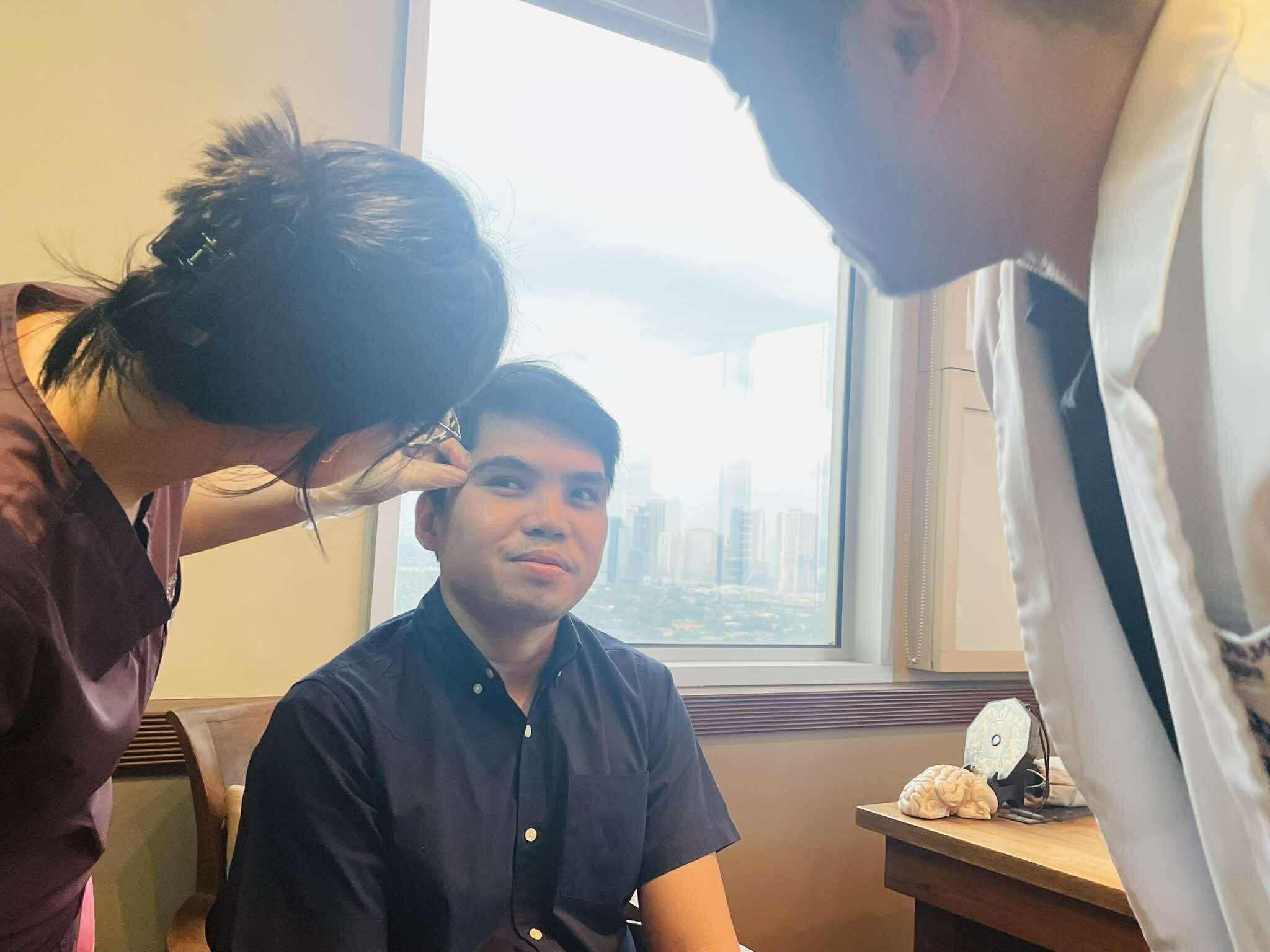
John Muni, a 34-year-old technology professional, experienced a remarkable recovery after undergoing this pioneering surgery. Muni initially sought medical attention for persistent headaches and declining vision.
Initially thinking he had astigmatism, an MRI revealed a tumor at the base of his skull pressing against his optic nerves, causing bitemporal hemianopsia, which impairs peripheral vision.
Determined to address the issue promptly, Muni researched and found Dr. Jerold Justo, a neurosurgeon at TMC. After consulting with Dr. Justo, he felt confident in proceeding with surgery, with the primary goal of preventing further vision loss.

The operation involved a minimally invasive craniotomy performed through an incision along the eyebrow, a customized approach that minimizes trauma to surrounding tissues while providing access to the tumor site.
Muni described his recovery as surprisingly smooth. His vision began to improve gradually after the surgery, and no complications were observed.
The success of this procedure marked a pivotal moment in his journey back to health.
Dr. Justo attributed the success of the surgery to The Medical City’s commitment to continuous medical education, as well as his specialized training in skull base neurosurgery in France.
He adapted a modified version of a traditional technique to suit the needs of Filipino patients, demonstrating the value of tailoring global techniques to the local context.
Understanding Brain Tumors
Brain tumors are abnormal growths of cells within the brain. These tumors can be either benign (non-cancerous) or malignant (cancerous).
Causes
The exact causes of brain tumors are not fully understood, but they can be associated with genetic factors, exposure to radiation, and certain chemical exposures. In many cases, the cause remains unknown.
Symptoms
Symptoms of brain tumors vary depending on the size, location, and growth rate of the tumor.
Common symptoms include:
- Persistent headaches
- Vision changes (blurred vision, double vision, loss of peripheral vision)
- Seizures
- Nausea and vomiting
- Changes in personality or behavior
- Weakness or numbness in the limbs
- Difficulty with balance and coordination
Importance of Regular Screening
Regular physical exams and screenings are crucial for early detection of various health issues, including potential signs of a brain tumor. While not all brain tumors can be detected through routine exams, reporting any persistent or unusual symptoms to your healthcare provider can lead to earlier diagnosis and treatment.
Early detection can significantly improve outcomes and quality of life.
This case highlights the importance of continuous medical education and innovation in neurosurgery. The successful removal of John Muni’s brain tumor through eyebrow surgery at The Medical City offers hope for patients with similar conditions and underscores the potential of minimally invasive techniques to improve patient outcomes.
Photos from The Medical City Facebook page
DISCLAIMER
This article provides general information and does not constitute medical advice. Consult your healthcare provider for personalized recommendations. If symptoms persist, consult your doctor.