

The Philippines has launched the first open-access national database of ethnomedicinal plants, documenting 796 species used in traditional health care by 34 ethnolinguistic groups.
Based on Herbolario v.1: A Dataset of Medicinal Plants Used in the 21st Century by Ethnolinguistic Groups in the Philippines mediated by Biodiversity Data Journal, researchers compiled 13,402 records covering 160 plant families and 68 orders, with remedies addressing 25 disease categories from infections to chronic conditions.
The study also introduced the Species Use Priority Importance Measure (SUPRIM), a tool that ranks the most vital species for conservation and future clinical research.
However, scientists warn, that this knowledge, still central to rural health care, is threatened by deforestation, logging, and the decline of oral traditions, based on published text on Philippine Journal of Science, 2025.
In Mindanao, surveys have identified more than 530 medicinal species, with 28 listed as threatened, including 11 found only in the Philippines, according to Journal of Ethnobiology and Ethnomedicine, 2024.
But The Department of Health reports that only half of Filipinos live within 30 minutes of a rural health unit (DOH, Health Facility Development Plan, 2023), forcing many families to depend on traditional remedies.
With just 7.9 doctors per 10,000 people, far below the World Health Organization benchmark of 10, experts say protecting both the plants and the knowledge is now a public health priority (IBON Foundation, 2025; WHO, 2023).
The forest as pharmacy
For indigenous groups like the Manobo-Dulangan in Sultan Kudarat situated at the southern part of the Philippines, the forest remains the first and most reliable line of health care. Their knowledge spans remedies for fever, wounds, rheumatism, and postpartum recovery, often prepared as teas, poultices, or oils.
Among the most valued is alingatong (Dendrocnide meyeniana), a stinging nettle infused in coconut oil to soothe skin and muscle pain. Elders teach younger generations not just which plants to use but how to handle them, with the understanding that misuse can harm as much as heal.
Similar traditions persist nationwide. The Panay Bukidnon of Iloilo boil roots and leaves for postpartum care. On the other hand, the Ifugao of the Cordillera maintain rituals around plant-based treatments for infections and respiratory problems.
Same as in Zamboanga and Cotabato as Tausug and Higaonon communities continue to use decoctions and herbal baths for fever and stomach ailments.
The Mamanua tribe in Surigao del Norte said in an interview that they are preparing to publish their Indigenous knowledge to raise awareness and ensure it is passed on for education and future generations.
This is about preserving our traditional knowledge, our understanding of the environment, the climate, the animals, and the ways of nature. If we do not publish and protect it, no one else will ever understand or document it,” said the first member of the Mamanua tribe to graduate with an education degree.
Why this knowledge endures
Two factors explain why traditional medicine remains a lifeline: distance to health facilities and shortages in health workers.
In upland barangays and far-flung islands, it can mean walking for hours before reaching the nearest nurse. Meanwhile, with only 7.9 doctors per 10,000 Filipinos, unevenly distributed across provinces, many rural areas simply have no permanent physicians, according to IBON Foundation (2025).
The Philippine government has long recognized the importance of these practices. This is through the Traditional and Alternative Medicine Act of 1997 (RA 8423) established the Philippine Institute of Traditional and Alternative Health Care (PITAHC) (RA 8423, 1997).
In addition to this, the Department of Health (DOH) has endorsed 10 medicinal plants—including lagundi, sambong, tsaang-gubat, akapulko, niyog-niyogan, ulasimang-bato, bawang, bayabas, and yerba buena—for common illnesses, based on 2023 DOH-PITAHC, 2023 data.
Bridging Indigenous wisdom and science is possible. Example, the Tuklas Lunas program under the Department of Science and Technology funds drug discovery from local biodiversity (DOST-PCHRD, 2023).
During the COVID-19 pandemic, clinical trials also showed lagundi eased mild symptoms like cough and loss of smell, leading to its inclusion in PhilHealth’s homecare kits (DOH, 2021). This pathway demonstrates how traditional remedies can be rigorously tested and safely integrated into public health systems.
Still, researchers caution that many promising plants remain unstudied, while communities lack access to quality-controlled products. Without stronger regulation, rural families risk relying on unverified herbal preparations.
Rights on paper, gaps on the ground
However, beyond all these navigations and initiatives, indigenous communities’ health practices are also a matter of rights.
The Indigenous Peoples’ Rights Act (RA 8371, 1997) guarantees protection for Indigenous Knowledge Systems and Practices (IKSP) and requires Free, Prior, and Informed Consent (FPIC) for projects in ancestral lands.
Furthermore, the National Commission on Indigenous Peoples (NCIP) has developed guidelines for documenting IKSP (NCIP Administrative Order, 2012) and partnered with the Intellectual Property Office to prevent biopiracy, based on 20216 IPOPHL-NCIP Joint Rules.
But enforcement is still inconsistent. Many indigenous groups lack funding for documentation or face barriers asserting consent over research.
In Sultan Kudarat for example, Dulangan Manobo leaders have raised alarms over logging and mining concessions encroaching on their forests, according to DENR Forest Cover Report in 2023.
2023 Global Forest Watch also shows that satellite data confirm significant forest loss in Mindanao, turning the elders’ warning, “when the tree is gone, the cure is gone” into a lived reality.
Climate change compounds the risk
The 2023–2024 El Niño episode brought severe droughts, crop failures, and water scarcity across dozens of provinces, based on recent reports from the weather bureau PAGASA and the NDRRMC.
2025 Philippine Journal of Science cited several scientists warn that climate change is reducing suitable habitats for many medicinal plants, especially endemics that thrive.
However, Philippine reviews already list 28 medicinal species as threatened, including several restricted to Mindanao and the Visayas, based on DENR Threatened Species List, 2023.
What safeguarding looks like
There are several clear steps to appreciate, recognize, and strengthen indigenous knowledge. Experts and community leaders suggest:
- Document knowledge with consent. Oral traditions fade as elders pass. NCIP guidelines encourage community-led recording of herbal knowledge, in local languages, with FPIC, while barangays can establish small herbaria and seed banks (NCIP, 2012).
- Protect forests as health infrastructure. Conservation programs must treat medicinal plants as public health assets, not just biodiversity (DENR, 2023). Enforcement against logging should be tied to community health outcomes.
- Train health workers. Barangay health workers should be trained on DOH-endorsed herbs, with clear instructions on safe preparation and referral for severe cases (DOH-PITAHC, 2023).
- Invest in research and benefit-sharing. Programs like Tuklas Lunas should prioritize Indigenous-identified health needs and ensure communities benefit from commercial products (DOST-PCHRD, 2023).
- Strengthen safeguards against misappropriation. Universities, NGOs, and corporations must respect FPIC and co-author studies with Indigenous groups (IPOPHL-NCIP Joint Rules, 2016).
Plants that bridge two worlds
Some plants already bridge traditional and modern medicine. Sambong is prescribed for kidney stones, akapulko is used against fungal infections, and tsaang-gubat is recommended for diarrhea (DOH-PITAHC, 2023).
These “bridge plants” appear both in DOH handbooks and in Indigenous pharmacopeias, showing how validated remedies can scale.
But many remedies resist industrialization. For the Dulangan Manobo, alingatong oil is more than chemistry; it is a relationship, knowing how to gather the plant without injury, when to infuse it in oil, and how to apply it with care.
The medicine, as elders remind, is not just the plant but the knowledge woven into its use.
A fragile braid of knowledge
At sunset in Kulaman Valley, some grandmothers sets aside a jar of alingatong oil to cool by the fire. She teaches her grandchildren to recognize the plant by touch, to prepare it carefully, and to respect it as both cure and teacher.
Between people and forest runs a fragile braid of knowledge, stretched thin by chainsaws, climate stress, and neglect, but not yet broken.
Protecting it is not only about saving plants; it is about securing the health and dignity of communities who continue to keep the country’s oldest pharmacopeia alive.
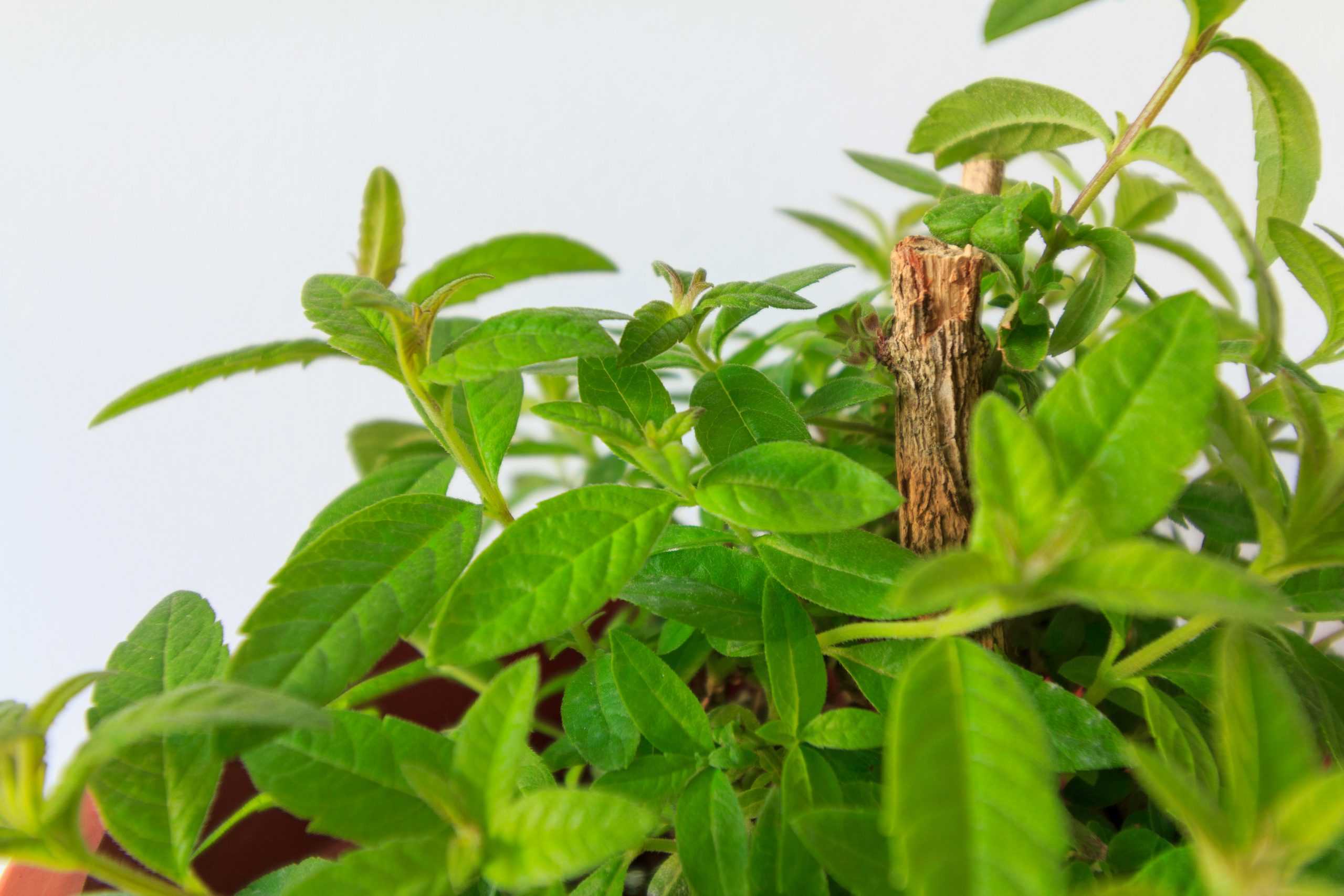
Photo by Alejandro Piñero Amerio on Unsplash
DISCLAIMER
This article provides general information and does not constitute medical advice. Consult your healthcare provider for personalized recommendations. If symptoms persist, consult your doctor.