

This reflection series was born from a simple question: How do we honor a year that shaped us without rushing to forget it?
At Joyful Wellness, we believe that wellbeing is built not only through action, but through understanding. Before setting goals or intentions, we need to acknowledge what we’ve lived through—personally, collectively, quietly.
“What This Year Asked of Us” looks back with honesty, recognizing the weight many carried and the resilience that sustained us.
“What We’re Carrying Forward” pauses in the present, helping us discern which lessons, habits, and values are worth keeping.
“Joyful Wellness 2026 Intentions” looks ahead—not with pressure or performance, but with clarity and care.
Together, these pieces form an arc of reflection meant to support Filipino families as they navigate health, work, relationships, and hope. They are grounded in science, guided by empathy, and written with the belief that lasting wellbeing grows when we move forward gently—and together.
What This Year Asked of Us
As the year draws to a close, many of us feel an unfamiliar mix of relief and fatigue.
We survived it. We learned from it. And yet, if we are honest, we are not quite sure how we did. The days blurred into one another—work, family, responsibilities, small crises, quiet victories. Some goals were met. Others were quietly abandoned. Some wounds healed. Others remain tender.
Year-end reflection is often framed as a performance: lists of achievements, resolutions, numbers. But for most people, especially Filipino families navigating work, caregiving, uncertainty, and hope all at once, the year was less about accomplishment and more about endurance.
And endurance deserves to be honored.
The Quiet Weight We Carry
Public health researchers have long noted that chronic, low-grade stress—the kind that comes from financial pressure, caregiving responsibilities, job insecurity, and emotional labor—takes a real toll on mental and physical health. Studies published in The Lancet and JAMA consistently show that prolonged stress affects sleep, immunity, mood, and decision-making.
Many of us did not experience dramatic breakdowns this year. Instead, we experienced quiet heaviness: waking up tired, pushing through anyway, telling ourselves we would rest later.
Later, of course, rarely comes.
If this year felt heavy, it was not because you failed to manage it well enough. It was because you were carrying real things.
What We Learned About Control—and Letting Go
One of the hardest lessons of the year was learning what we could not control.
Plans changed. Timelines shifted. People disappointed us. Systems moved slowly—or not at all. Research in psychology shows that humans struggle most not with hardship itself, but with uncertainty. When outcomes are unclear, stress increases—even if the situation is manageable.
Many readers of Joyful Wellness learned, sometimes painfully, that control is limited. But alongside that realization came another, quieter lesson: adaptation.
We learned to recalibrate expectations. To choose our battles. To accept help. To forgive ourselves for not being everything, all at once.
That, too, is growth.
Health Is Not Just the Absence of Illness
At Joyful Wellness, we speak often about prevention, wellbeing, and longevity. But this year reminded us that health is not simply the absence of disease. It is the presence of support, understanding, and gentleness—especially toward oneself.
Medical and behavioral science increasingly recognize that wellbeing is shaped not only by biology, but by environment, relationships, and meaning. Feeling seen. Feeling supported. Feeling that your effort counts.
Many people stayed healthy this year not because they optimized perfectly, but because they rested when they could, laughed when possible, and held on to routines that grounded them.
Health, it turns out, can be imperfect and still real.
The Small Wins That Mattered More Than We Admit
In a culture that celebrates big milestones, we often overlook the quiet victories:
- Showing up despite exhaustion
- Choosing water over another cup of soda
- Asking for help instead of pretending everything was fine
- Setting a boundary, even when it felt uncomfortable
- Letting go of something that no longer served us
Behavioral scientists note that these small actions—repeated over time—shape long-term wellbeing more than dramatic, short-lived changes.
If your year was made up mostly of small wins, it was not a small year.
Gratitude, Without Pretending
Reflection does not require pretending everything was good.
Healthy gratitude, as psychologists emphasize, allows space for complexity. You can be thankful and tired. Hopeful and frustrated. Proud and still uncertain.
Many Filipinos continue to give, care, and show up for others even when resources are limited. This year reminded us that abundance is not the same as generosity—and that generosity often appears quietly, without recognition.
These are not romantic ideas. They are lived realities.
Looking Ahead, Gently
As the year closes, there is pressure to “do better” next year—to be healthier, more productive, more disciplined. But perhaps what we need first is not improvement, but integration.
What did this year teach you about your limits?
What did it reveal about what truly matters?
What do you want to carry forward—not forcefully, but deliberately?
Research on sustainable behavior change shows that progress lasts longer when it is rooted in self-understanding rather than self-criticism.
There is wisdom in starting the new year rested, not rushed.
A Joyful Wellness Reflection
Joyful Wellness exists to remind us that health and happiness are not destinations we rush toward, but journeys we learn to navigate more kindly over time.
This year asked a lot of us. And we answered—not always perfectly, but honestly.
As we step into what comes next, may we bring with us what truly helped: clarity, compassion, curiosity, and the courage to live a little more gently.
That, too, is a form of strength.
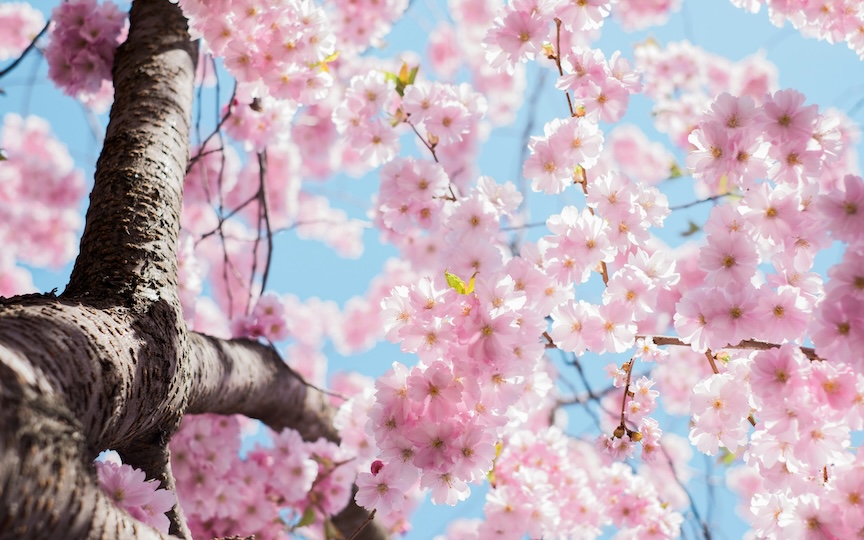
Photo by Arthur Chauvineau on Unsplash