How small choices, big portions and engineered foods quietly reroute our bodies — and what we can do about it
We imagine gluttony as a cartoon: a person, a buffet, a guilty laugh. In real life, the road to overconsumption is quieter, smarter, and—if we’re honest—kind of clever. It’s built from tiny nudges: larger plates, cheaper ultra-processed meals, an app that flatters your cravings. Over time those nudges add up, and your body, which evolved to protect you from scarcity, starts to learn very modern habits.
So let’s take a curious walk down that road — not to shame, but to understand what our days are teaching our bodies.
The food is engineered to be irresistible (and our brains notice)
Modern ultraprocessed foods are deliberately formulated for maximum palatability: sugar, fat, salt, textures, and cues that trigger reward circuits in the brain. This isn’t a moral failing; it’s neuroscience. Hedonic (pleasure-driven) eating engages brain “wanting” systems and can override homeostatic signals that normally tell us we’ve had enough.
Practical nudge: treat these foods like a fireworks show — fun occasionally, not daily. Swap one ultraprocessed snack a day for a whole-food alternative (fruit + nuts, yogurt + fresh fruit) and notice how the cravings shift.
READ: Why Filipinos Are Both Overfed and Undernourished—and How to Eat Better Without Spending More
Portions quietly reset what “normal” looks like
Researchers have repeatedly shown that larger portions cause people to eat more — often without realizing it. Increase a portion by 50% and average energy intake rises substantially; over time, chronic exposure to oversized servings can shift energy balance and weight. This is not about willpower; it’s about environmental default.
Practical nudge: halve restaurant portions when you can (ask for a doggie bag), use smaller plates at home, and make the served portion the “treat” rather than the baseline.
Stress, boredom and emotion press the accelerator
Emotional and stress-related eating is well documented: many of us eat to soothe, distract, or reward ourselves. Over months and years, emotional eating patterns become habit loops—cue → urge → action—reinforced by temporary relief and the brain’s reward systems.
Practical nudge: build a short “pause ritual.” Before eating outside mealtimes, take three slow breaths and ask: “Am I truly hungry, or am I hungry for something else?” That tiny pause reduces impulsive choices.
The ultra-processed problem: calories today, disease tomorrow
Beyond calories and cravings, growing evidence links high intake of ultra-processed foods to higher risk of diabetes, heart disease, and other chronic illnesses; observational and cohort studies show consistent associations. This is not finger-wagging — it’s epidemiology pointing to a public-health pattern.
Practical nudge: think of ultra-processed food as an occasional convenience, not a daily staple. When shopping, start meals with a vegetable or protein to reduce impulse buys at the checkout.
Small everyday choices compound into big outcomes
Here’s the hard, but hopeful, truth: the “road to gluttony” isn’t one catastrophic binge. It’s the accumulation of small choices — a few extra bites here, larger takeout portions there, comfort snacks on stressful nights. Over months and years those choices shape metabolism, appetite regulation, and even gut microbes.
Practical nudge: keep a taste diary for a week. Not to judge, but to notice patterns: time of day, emotion, company, and portion. Awareness is the first gentle correction.
Make the environment work for you (not against you)
You can make the road easier to travel in the right direction. Change defaults: keep fruit visible, pre-portion treats, pause notifications during meals, and place indulgent items out of easy reach. Policy and community solutions matter too—public health warnings, portion labeling, and reducing ultraprocessed food marketing make the whole road less slippery for everyone.
Practical nudge: choose one environmental tweak this week and keep it. Small consistency beats big intentions.
A final, human note (not an edict)
We’re not saints and we’re not sinners. We are people in an environment designed to keep us eating. Curiosity beats shame. Practical habits beat perfection. And tiny, repeatable changes—over months and years—are what shift the arc away from disease and toward sustained wellbeing.
If you want one thing to start: reduce just one habit you now consider “normal” but not helping you. Replace it with one small ritual that makes the day kinder to your body.
After all, the road you travel is the road you build.
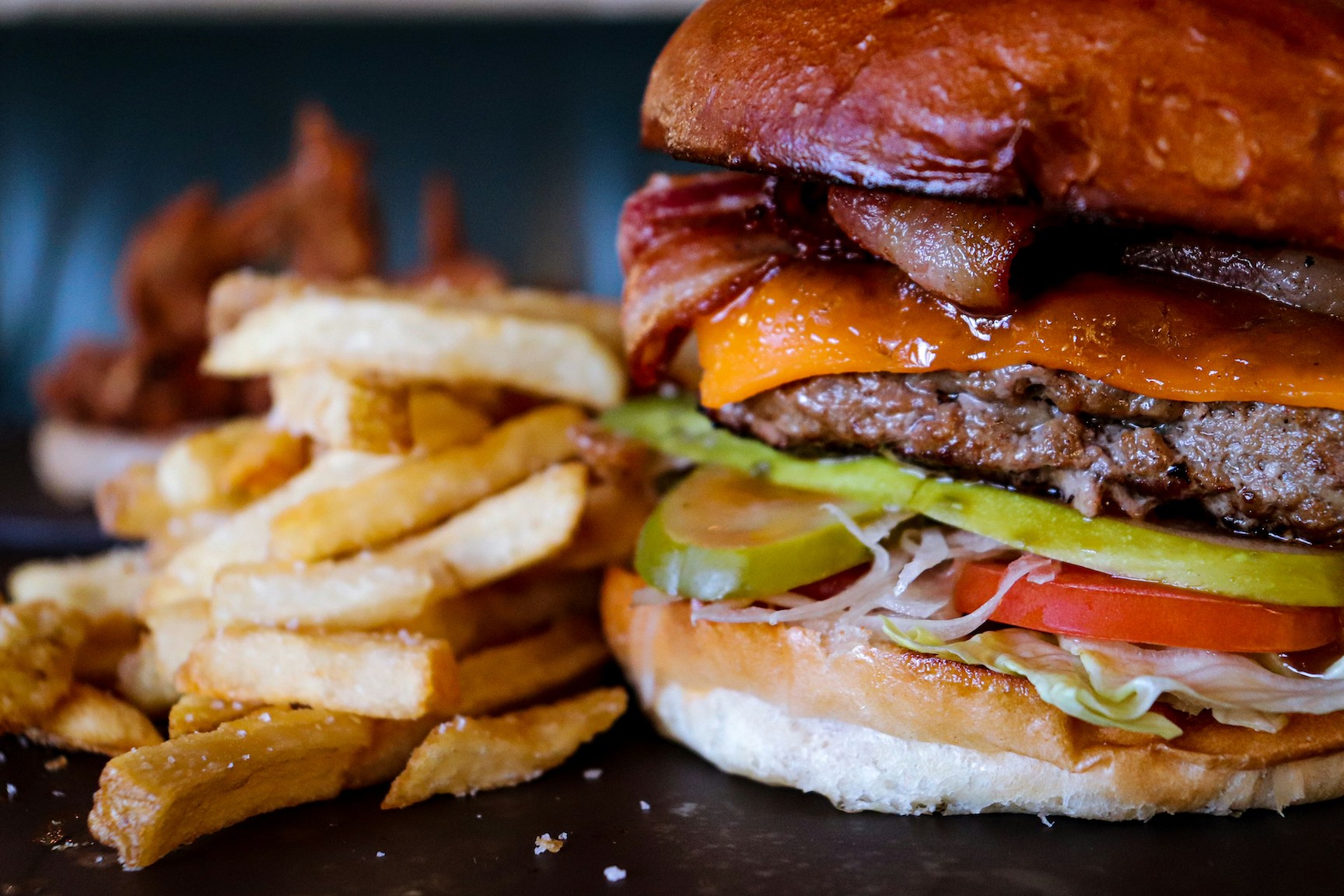
Photo by Aleisha Kalina on Unsplash
Sources & Further Reading (selected)
- Morales, I. et al., “’Liking’ and ‘wanting’ in eating and food reward: Brain mechanisms,” 2020.
- Rolls, B.J. & Benton, D., “Portion size effects on energy intake,” reviews and experimental findings.
- Dakanalis, A., “Emotional eating and obesity associations,” 2023.
- Lane, M.M. et al., “Ultra-processed foods and human health: systematic reviews,” BMJ/major reviews 2023–2024.