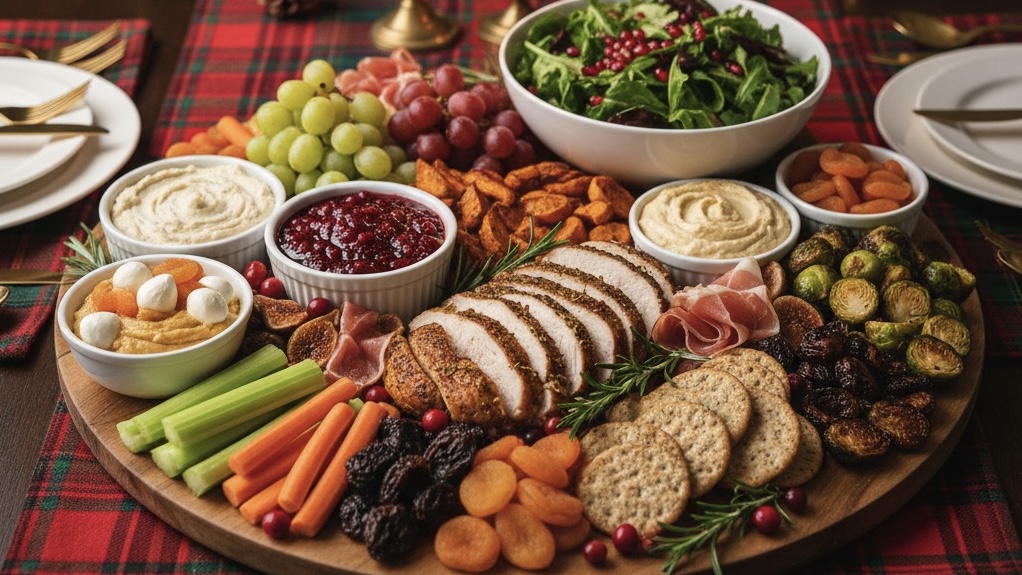
November is a month of arrivals—cooler weather, gatherings that revolve around food, and the soft beginning of the holiday season. But it is also National Diabetes Month, a timely reminder that how we nourish ourselves today shapes our energy, our resilience, and our long-term well-being.
Nutrition is often taught as a set of rules: eat this, avoid that, measure this, cut that. But food, like life, is more complex and more tender than any strict instruction. At Joyful Wellness, we believe food is not just fuel—it is care, memory, culture, healing, and community. It is one of the most intimate ways we say, “I want to live well.”
Yet many of us struggle with nutrition not because we lack discipline, but because we are overwhelmed. Modern life has made food confusing—trends change, information conflicts, schedules tighten, and stress often leads us toward convenience rather than nourishment.
So for this month, we offer a gentler approach: Nutrition not as restriction, but as reconnection—a way of listening to your body, supporting your health, and honoring what you need, especially as the year comes to a close.
How Food Affects More Than the Body
Science tells us that what we eat can affect our mood, stress levels, focus, and long-term disease risk.
Studies published in The Lancet Psychiatry and Harvard Health show that diets high in fiber, vegetables, whole grains, healthy fats, and fermented food can reduce inflammation and support healthy gut bacteria—directly influencing our mental well-being. This is because the gut and brain communicate constantly. In fact, 90% of serotonin (the feel-good neurotransmitter) is produced in the gut.
This means your meals can be grounding. Your snacks can be calming. Your plate can be a place of healing.
The goal is not perfection.
The goal is support.
READ: The Hidden Classroom of the Body
A Gentle Framework for Nourishing Yourself This November
1. Choose Whole Foods That Love You Back
Instead of focusing on what to avoid, focus on what to include.
Foods shown to improve energy, mood, and metabolic health include:
- Leafy greens: for vitamins and antioxidants
- Whole grains: for steady blood sugar
- Legumes: for fiber and plant protein
- Fatty fish or omega-3 sources: for anti-inflammatory benefits
- Colorful vegetables: for phytonutrients
- Fruits in moderation: especially berries
- Nuts and seeds: for healthy fats
- Fermented food: for gut health
These foods are foundational in diabetes prevention because they support healthy glucose regulation.
2. Make Peace With Carbohydrates
Carbs are not the enemy—they are the body’s primary fuel.
The key is balance.
Pair carbohydrates with protein or healthy fats to prevent blood sugar spikes. For example:
- Banana + peanut butter
- Rice + fish + vegetables
- Bread + eggs + avocado
Science calls this the glycemic buffering effect, and it works beautifully.
3. Practice Mindful Holiday Eating
The holiday season begins in November for many of us. Plates get fuller, tables get happier, and choices get harder.
Mindful eating does not mean eating less—it means eating with presence, noticing flavors, honoring fullness cues, and savoring what you love.
A 2019 study in Nutrients found that mindful eating improves digestion, reduces binge tendencies, and enhances satisfaction after meals.
So instead of guilt, choose presence. Instead of rushing, choose appreciation.
READ: The Mood-Boosting Power of Food: A Holiday Survival Guide
4. Hydrate Like It’s a Ritual
Most people mistake dehydration for fatigue, cravings, or irritability.
A warm practice for November:
- Start your morning with a glass of water before coffee
- Sip throughout the day
- Flavor with lemon, cucumber, or mint if it helps
Hydration supports skin health, mood regulation, and metabolism.
5. Build a Community of Nourishment
Food tastes different when shared. Wisdom becomes richer when exchanged.
We envision a Joyful Wellness community where people share recipes, encourage healthier habits, and talk about food as joy—not judgment.
READ: Healthy gut, healthy mind
And so, we invite you to reflect with us:
✨ What is one eating habit you are ready to release before the year ends?
Is it skipping meals?
Eating in a rush?
Using food to fill emotional emptiness?
Or being too hard on yourself?
Your gentle honesty may spark someone else’s transformation.
A November of Nourishment and Clarity
As the year approaches its end, your body may be calling for balance. Nutrition is not a punishment or a requirement—it is an offering. A way to say:
“I want to feel well. I want to live with energy. I want to take care of this body that takes care of me.”
May this month guide you toward food that supports you, strengthens you, and brings you joy.
May your plate reflect your hope for a healthier, more grounded life.
And may you nourish yourself with the tenderness you truly deserve.