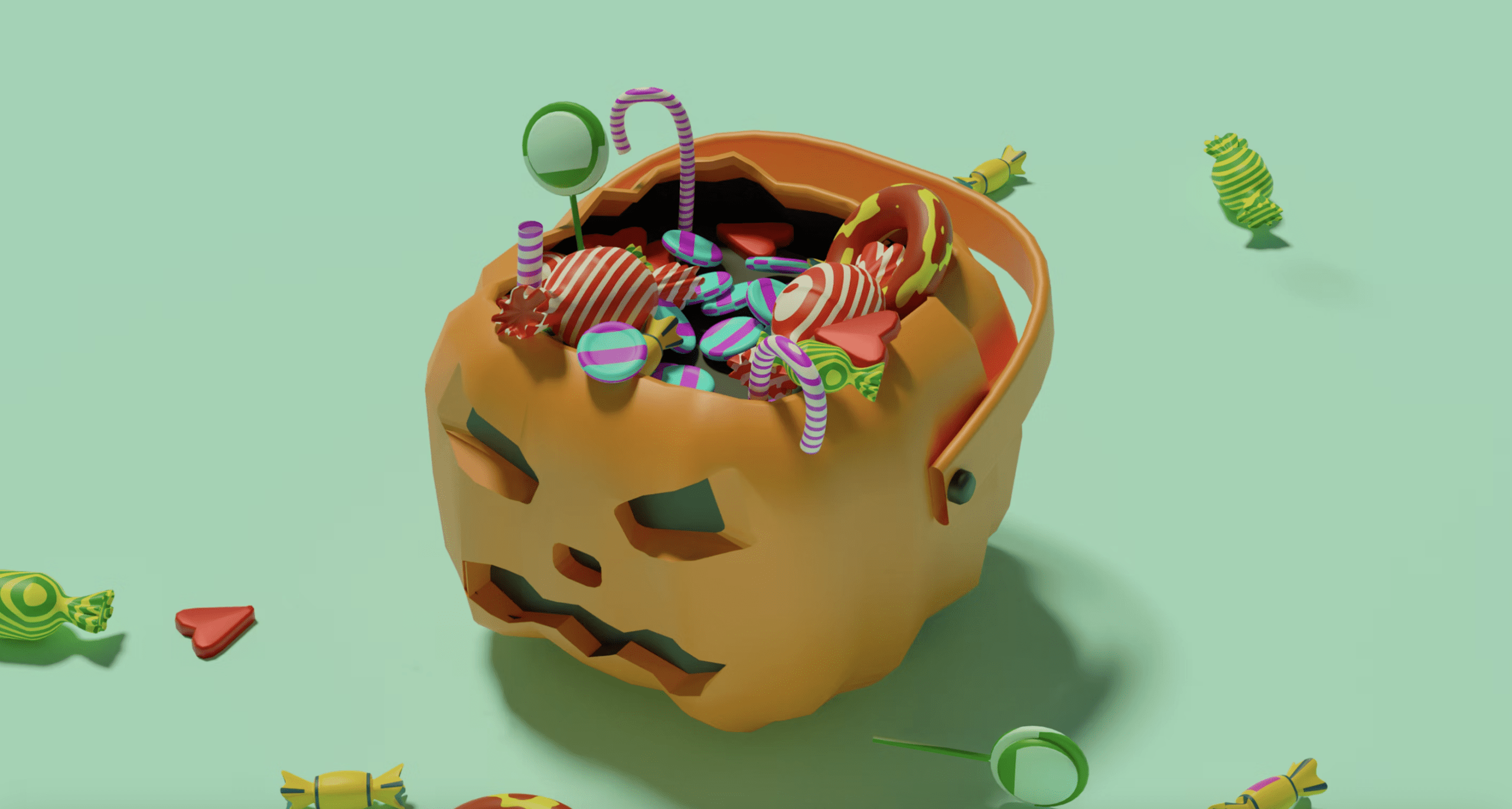
October in the Philippines is a busy intersection—Undas travel plans, the first typhoon surges of the amihan months, and a wave of Halloween parties in malls, subdivisions, and schools that amplifies children’s exposure to sweets.
However, behind the cheerful costumes and pumpkin buckets lies a growing public-health concern: Filipino children are consuming sugar at levels that alarm doctors and nutrition experts.
Pediatricians warn that this seasonal spike lands atop an already troubling baseline. Filipino children are grappling with rising rates of overweight and obesity, as well as a persistent burden of dental decay.
READ: Filipino Parents Pack “Double” Lunches as Snack Culture Grows
According to the Department of Science and Technology–Food and Nutrition Research Institute (DOST-FNRI), adolescent overweight and obesity increased from 11.6% in 2018 to 13.0% in 2021, based on the Expanded National Nutrition Survey (ENNS).
Meanwhile, the Department of Health (DOH) reported in its 2018 National Oral Health Survey that 85.2% of Filipino five-year-olds already suffer from dental caries—an extraordinarily high rate for a disease that is largely preventable.
Furthermore, the World Health Organization (WHO) advises that to curb unhealthy weight gain and tooth decay, free sugars should account for less than 10% of total daily energy intake for both children and adults, with added benefits if intake falls below 5%. These free sugars include those added by manufacturers, cooks, or consumers, as well as those naturally present in honey, syrups, and fruit juices.
Moreover, WHO emphasizes that frequent snacking and sipping on sugary drinks increase exposure and risk. During Halloween, when sweets and sweetened beverages are consumed more frequently and in larger quantities, it becomes much harder for families to stay within those healthy limits.
READ: Philippines Confronts Twin Nutrition Threats as Risks Rise
Are current policies strong enough?
Policy guardrails exist—but experts question whether they hold firm during seasons like Halloween.
In schools, the Department of Education (DepEd) issued Order No. 13, s. 2017, which set out the Policy and Guidelines on Healthy Food and Beverage Choices. This framework uses a “traffic-light” approach—GREEN, YELLOW, and RED—to encourage the sale of healthier foods while discouraging those high in sugar, salt, and unhealthy fat in canteens and school activities.
The order aims to “promote and develop healthy eating habits among the youth” by setting nutrition standards and guiding canteen operations. If properly enforced during class parties or Halloween events, this policy could steer schools toward offering water, fruits, and minimally processed snacks instead of sodas and candies.
Meanwhile, at the fiscal policy level, the Philippines implemented an excise tax on sugar-sweetened beverages (SSBs) under the Tax Reform for Acceleration and Inclusion (TRAIN) Law in 2018, enforced through BIR Revenue Regulations No. 20-2018.
This regulation defines covered beverages, including carbonated soft drinks, powdered juice drinks, energy drinks, and flavored waters, and outlines compliance rules. The rate structure imposes ₱6 per liter for drinks using caloric or non-caloric sweeteners and ₱12 per liter for those using high-fructose corn syrup (HFCS).
READ: Obesity Surges as Malnutrition Grips Filipinos’ Health
However, certain products such as 100% fruit juices and plain milk remain exempt. These exemptions, while well-intentioned, leave room for marketing loopholes during high-consumption periods like Halloween.
Lawmakers, however, are now pushing to tighten those fiscal safeguards. On September 30, 2025, House Bill No. 5003 was filed, proposing to raise the SSB tax to ₱20 per liter for drinks using caloric or non-caloric sweeteners and ₱40 per liter for those using HFCS.
The bill also seeks to expand coverage to flavored milks and sweetened coffees. According to legislative proponents, the move would strengthen the policy’s public-health impact, encourage product reformulation, and generate new revenue for nutrition programs.
For families, this would mean stronger price signals discouraging routine sugary-drink consumption, not just during the holidays but year-round.
Local and digital frontlines
Moreover, local governments are stepping in to reinforce these national policies. Pasig City’s Ordinance No. 20-2025 established Healthy Child Zones that prohibit junk-food marketing, sponsorships, and promotions targeting children in and around schools and playgrounds.
In a statement on September 12, 2025, UNICEF lauded Pasig and Cebu City for adopting child-focused health measures and urged other local governments to follow suit.
For Halloween event organizers, such ordinances have real implications: limiting corporate tie-ups and advertisements that heighten children’s exposure to sugary foods.
On the other hand, the digital sphere remains a major battleground. Based on a 2021 UNICEF Philippines study analyzing social-media marketing, over 99% of food and beverage posts failed to meet WHO’s regional criteria for child-appropriate advertising. Most of these posts appealed strongly to children and adolescents, using bright visuals, family-oriented themes, humor, and local influencers.
Although this study was conducted during the pandemic, its insights still resonate today. It underscores how seasonal campaigns, particularly around Halloween and Christmas, use digital platforms to capture children’s attention precisely when they are most active online.
Why Halloween sugar is riskier than it seems
Behind these statistics lies a simple scientific truth: what makes Halloween risky is not one night of candy, it’s the frequency and stickiness of sugar exposure.
WHO’s research shows that repeated consumption of sweet foods or drinks causes constant acid attacks on tooth enamel, leading to cavities over time. Sticky or sour candies, which cling to teeth longer, are particularly harmful.
Likewise, sugar-sweetened beverages deliver large doses of liquid sugar quickly, without the feeling of fullness, driving weight gain more effectively than solid food.
According to the DOST-FNRI, the steady increase in adolescent overnutrition is worrying because weight patterns established in youth often persist into adulthood.
Meanwhile, the DOH’s 2018 Oral Health Survey revealed that most Filipino children already face dental problems before starting elementary school. This combination of poor diet and weak policy enforcement has created a public-health tinderbox—one that ignites easily during sugar-heavy celebrations.
What schools and LGUs can do
Nevertheless, solutions exist and can start within communities. Schools can fully apply DepEd’s Order No. 13 beyond daily canteen menus to include special events like Halloween. This means keeping RED-category items such as sodas and candy off party lists, while promoting GREEN-category foods like fruits and water.
Schools can also remind parents through pre-event advisories and encourage non-food rewards, stickers, school supplies, or art materials, to preserve the festive atmosphere without the sugar rush.
Furthermore, local governments can adopt Pasig City’s model by including health criteria in event permits for public celebrations.
For instance, organizers could be required to provide free drinking water stations or pledge not to feature unhealthy food sponsors.
UNICEF’s recognition of these initiatives proves that local action can complement national policy, and protect children where regulation often stops beyond the school gates.
Do higher sugar taxes work?
Globally, evidence suggests they do. According to a 2023 review published in The Lancet Public Health, countries implementing strong sugar taxes reported reduced sales of sugary drinks and improved public-health outcomes.
Similarly, a 2022 BMJ Global Health meta-analysis confirmed that lowering sugar consumption directly reduces obesity and dental caries among children.
In the Philippine context, economists from the University of the Philippines Manila have projected that increasing the tax to ₱20 per liter could prevent thousands of obesity-related cases and generate billions for health and education programs. Moreover, linking tax revenues to school feeding and oral-health programs can ensure that policy benefits reach the most vulnerable communities.
Health starts at home
Meanwhile, experts stress that policies are only part of the solution. Parents still set the strongest cues at home. Simple habit, such as serving sweets only with meals, offering water instead of sugary drinks, and ensuring children brush or rinse after eating candy, make an enormous difference.
Conducting a quick loot-bag audit after Halloween events, saving or donating excess treats, and celebrating through costumes or games instead of sweets can all reduce unnecessary sugar intake.
As WHO reminds, building healthy routines early can prevent lifelong disease. Changing how Filipino families celebrate Halloween may seem small, but multiplied across millions of households, it could shift an entire generation’s health trajectory.
Sweet traditions, healthier futures
For many Filipino families, Halloween is meant to celebrate imagination, not indulgence. Yet as trick-or-treat events become fixtures in malls and barangays, they have also become quiet mirrors of the nation’s dietary habits.
According to DOST-FNRI, the rise in overweight youth is “a major public-health concern” that demands both family vigilance and policy action. Pediatricians echo this warning: small, repeated indulgences can accumulate, what begins as a few candies in October can translate into years of unhealthy weight and poor oral health if unchecked.
Still, the solution is not to cancel childhood joy, it is to redefine it. Schools can swap soda for water, parents can turn treats into teachable moments, and communities can celebrate creativity over consumption.
As the Undas season calls Filipinos to honor their past, Halloween can also become an occasion to protect their future, a time to nurture healthier, stronger, and more mindful children.
Because ultimately, it’s not about taking the sweetness out of Halloween. It’s about ensuring that the next generation grows up remembering that health, too, is something worth celebrating.
Photo by Vertex Designs on Unsplash