
Perimenopause is the long doorway before menopause. Hormones rise, fall, and dance in new ways. Some days feel normal. Other days feel like your body changed the rules overnight.
Food cannot stop perimenopause. It can help you feel stronger, calmer, and more in control.
This guide shares what to eat, why it matters, and choices that fit real life.
Why Your Body Changes in Perimenopause
Estrogen and progesterone start to shift in your late 30s to 40s. These changes may lead to:
- Belly fat that seems to appear out of nowhere
- Tired mornings and wired nights
- Slow digestion
- Mood swings
- Irregular periods
- Brain fog
Your metabolism is not broken. Your body is trying to protect you during a new stage. Nutrition can support that process.
1. Protein at Every Meal
Protein helps keep muscles strong, supports metabolism, and keeps blood sugar steady.
Daily target: About 1 to 1.2 grams per kilogram of body weight (Example: 60 kg woman needs around 60 to 72 g per day)
Food ideas:
• Chicken or turkey
• Eggs
• Tofu and taho
• Monggo and other beans
• Dilis, sardinas, salmon, tuna
• Greek yogurt, milk, kesong puti
Tip: Add protein to breakfast so energy lasts longer.
2. Whole Foods for Blood Sugar Balance
High sugar spikes lead to crashes, cravings, and irritability. Stable blood sugar helps mood, sleep, and weight management.
Try more:
• Brown rice, red rice, quinoa, saba
• Kamote and ube
• Oats and whole wheat bread
• Fresh fruits instead of sugary desserts
Pair carbs with protein or healthy fats to feel full longer.
3. Fiber for Hormones and Digestion
Fiber helps remove extra estrogen through digestion. It also feeds good gut bacteria. A happy gut supports mood and immunity.
Fiber-rich stars:
• Malunggay
• Kangkong
• Ampalaya
• Okra
• Bananas
• Papaya
• Adlai
• Beans
Goal: 25 to 30 grams of fiber daily.
4. Healthy Fats for Brain and Heart Support
Omega-3 fats help fight inflammation and lift mood. Good fats also help your body absorb vitamins.
Sources to love:
• Sardines and bangus
• Avocado
• Olive oil and nuts
• Chia seeds
A small handful of nuts can be a satisfying snack.
5. Phytoestrogen Foods for Balance
Phytoestrogens act like gentle plant versions of estrogen. These can help with hot flashes, sleep, and dryness.
Simple picks:
• Tofu and soy milk
• Tahong and beans
• Sesame seeds
Taho for merienda can be a hormone-friendly choice.
6. Fermented Foods for Gut and Mood
Your gut connects to your brain and hormones. Good bacteria help reduce bloat and support serotonin, the happy hormone.
Yum and helpful:
• Yogurt
• Kimchi
• Kombucha
• Atchara in small portions
Start small if your stomach is sensitive.
7. Hydration Helps With Everything
Hormones affect fluid balance. Dehydration makes hot flashes and headaches worse.
Aim for 6 to 8 glasses daily. Include soups like tinola and sinigang, plus hydrating fruits.
What to Ease Up On
No need for strict rules. Focus on less of the items that worsen symptoms:
• Sugary drinks and processed sweets
• Too much alcohol
• Refined white carbs
• Very salty foods
• Deep fried meals every day
Small changes add up over time.
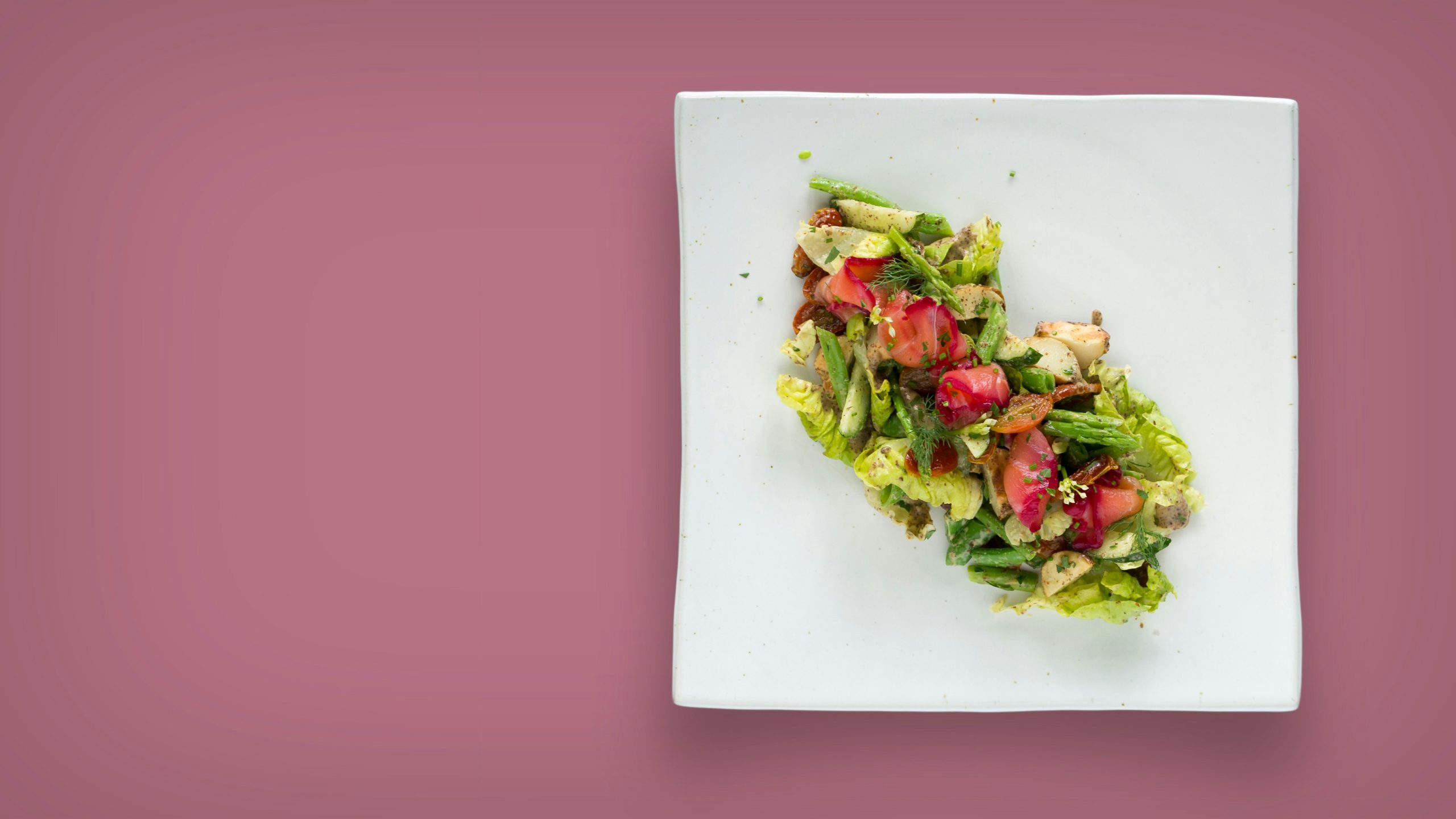
A Gentle Daily Plate
Picture your plate like this:
• Half vegetables and fruit
• One quarter protein
• One quarter whole grains or root crops
• A thumb-size portion of healthy fats
This simple pattern supports energy, hormones, and a steady mood.
The Emotional Side Matters Too
Perimenopause is not only a physical change. Some days feel like a wave. Support helps.
• Move your body daily
• Sleep when you can
• Talk to loved ones
• See a doctor for guidance
• Be kind to yourself
Healing is not instant. You are not alone.
Eat With Care, Not Fear
Nutrition for perimenopause is not about restriction. It is about nourishment. Your body is wiser than you think. Every hormone shift is a sign of life moving forward.
Feed yourself with balance, pleasure, and love. You will make it through this, one healthy meal at a time.
Photo by Dannie Sorum on Unsplash