

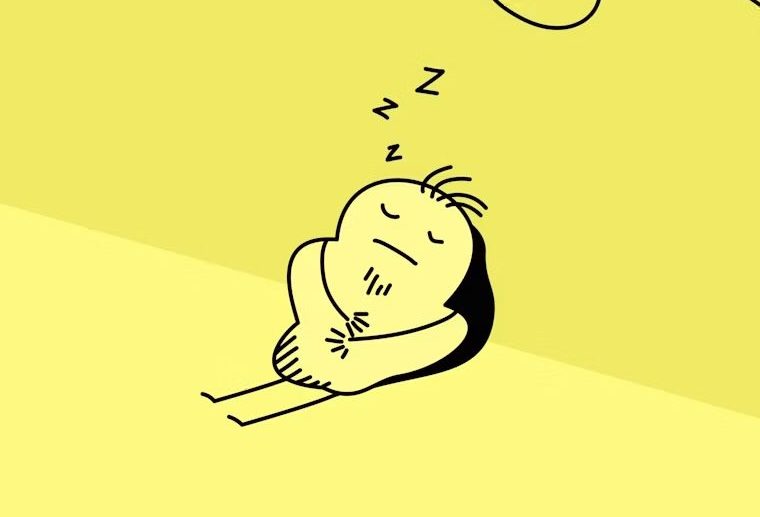
Sunday is supposed to feel like a soft landing. Instead, sometimes you wake up tired, stare into your coffee, and wonder why your brain has decided to work on dial-up.
Brain fog and fatigue often arrive together: you’re tired, distracted, forgetful, slower than usual, and somehow unable to locate the word that was definitely in your head five seconds ago. Brain fog isn’t a medical diagnosis; it’s a collection of symptoms that can affect concentration, memory and clear thinking.
And there are plenty of reasons for it. A few late nights. Stress that has quietly become your buddy. Too little food or fluid. Certain medications. Hormonal changes. Or an underlying condition such as anemia, thyroid problems, diabetes or sleep apnea. Persistent fatigue can also accompany depression, autoimmune conditions and long COVID.
READ: The 5-Minute Morning Reset: Awakening Your Brain Without a Caffeine Spike
So before declaring yourself permanently exhausted, try giving your body the basics.
Sleep before scrolling.
Aim for roughly seven to nine hours and pay attention to whether your sleep actually feels restorative. Loud snoring, gasping during sleep or significant daytime sleepiness are worth discussing with a doctor.
Drink some water.
Dehydration can contribute to fatigue and difficulty thinking clearly.
Eat something real.
Regular, balanced meals can help when fatigue is being aggravated by poor nutrition or skipped meals.
Go for a little walk.
It doesn’t need to become a fitness project. A gentle stroll gets you moving and may give your mind some breathing room. Walking is also associated with mental-health benefits.
And then, wonderfully, stop.
Put down the phone. Close the laptop. Let the laundry wait five minutes longer.
You’ll be surprised that wellness has nothing to do with squeezing more productivity out of Sunday. It is often found in giving an overworked body and brain permission to come back to themselves.
If fatigue or brain fog persists, worsens, or begins interfering with everyday life, don’t simply blame it on a busy week. Your body may be trying to tell you something worth listening to.
*Photo by Anupam Raisim Kerketta gridverselabs on Unsplash
Editorial Note
Joyful Wellness shares mental health information to encourage awareness, understanding, and self-care. Our content is not a substitute for professional mental health support. If you or someone you know is experiencing emotional distress, seeking help from a licensed mental health professional or trusted healthcare provider is encouraged.
References
- Cleveland Clinic. Brain Fog: What It Is, Causes, Symptoms & Treatment. 2024.
- Mayo Clinic. Fatigue: Causes and Definition. 2026.
- Mayo Clinic. Sleep Apnea: Symptoms and Causes. 2026.
- World Health Organization. Promoting Mental Health Through Cycling and Walking. 2026.