
Postpartum depression affects up to one in five mothers. Recognizing symptoms and seeking help can protect maternal mental health.
For many new mothers, the arrival of a child is described as one of life’s most joyful moments.
Yet the weeks following childbirth can also bring emotional challenges that are rarely discussed openly.
Postpartum depression affects an estimated 10–20 percent of mothers worldwide, according to the World Health Organization. Unlike the temporary “baby blues,” postpartum depression can involve persistent sadness, exhaustion, anxiety, and feelings of overwhelm that interfere with daily life.
The causes are complex. Hormonal shifts after childbirth, sleep deprivation, physical recovery, and the immense responsibility of caring for a newborn all place stress on the body and mind.
READ: Virginity, Premarital Sex, and the Filipino Conversation About Intimacy
None of these experiences mean a mother has failed.
In fact, the willingness to seek support is one of the most important steps toward recovery.
Doctors, therapists, family members, and support groups can help mothers navigate this period with compassion and guidance. Treatment may include counseling, practical support, and in some cases medical care.
What matters most is remembering that postpartum depression is a medical condition, and has nothing to do with personal weakness.
Motherhood has always required community. When families and healthcare systems respond with understanding, mothers receive the care they deserve.
And when mothers are supported, entire families grow stronger.
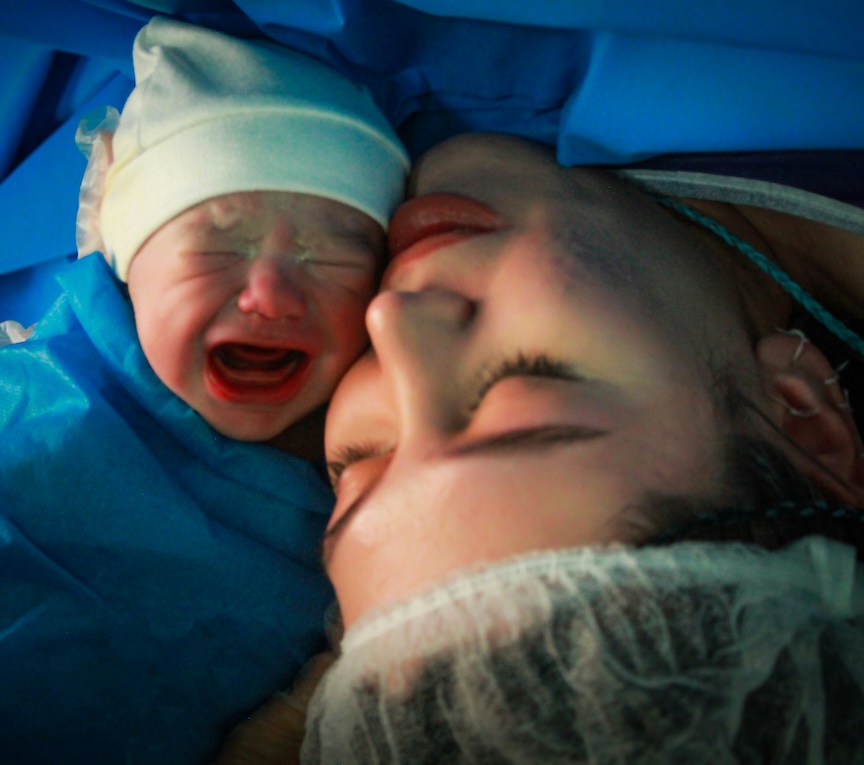
Photo by Mohammad Hossein Farahzadi on Unsplash
References:
World Health Organization – maternal mental health
American College of Obstetricians and Gynecologists
Journal of Women’s Health