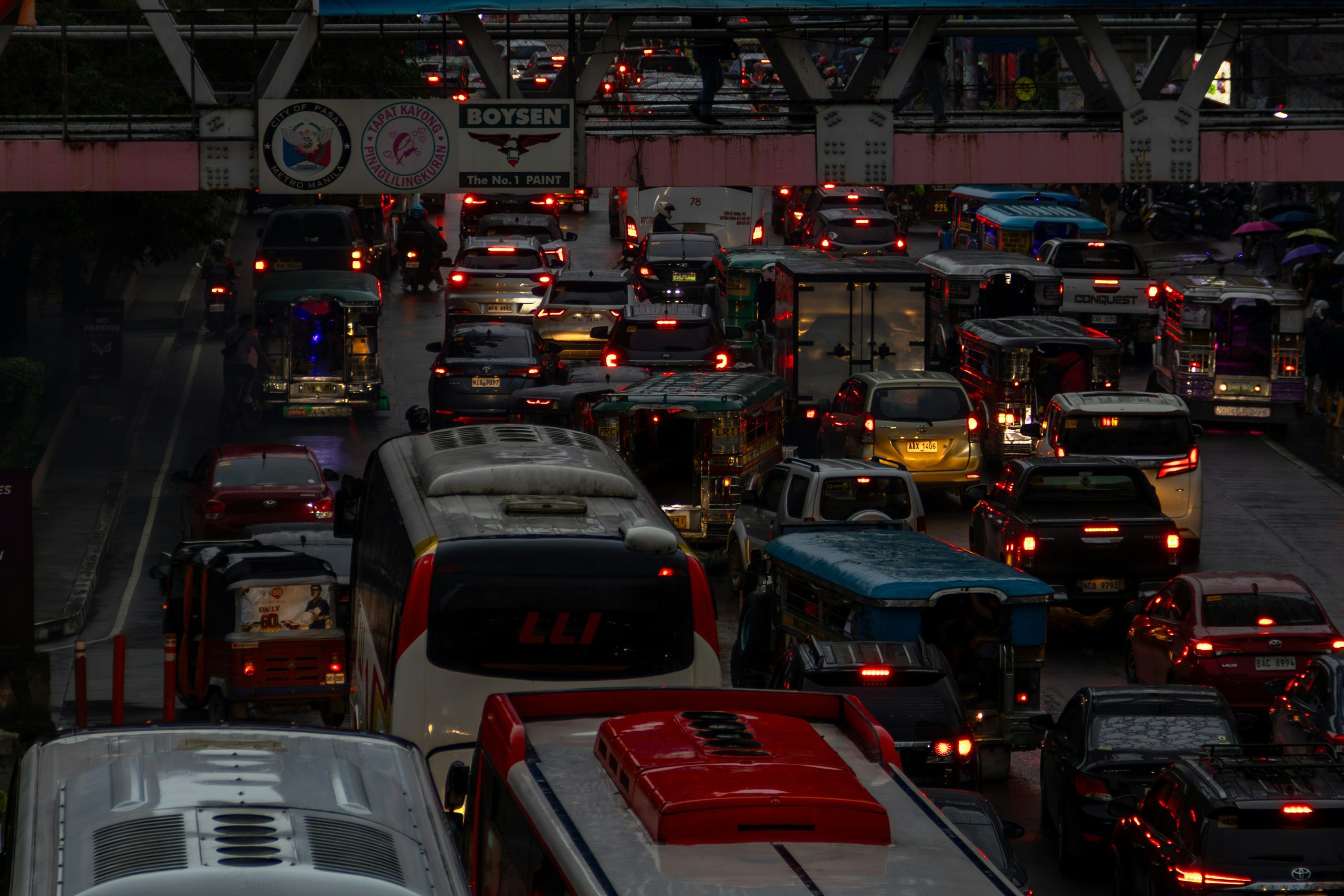
The holidays are here.
Not officially, perhaps—not until the Christmas sales begin or the Noche Buena rush starts—
but you already know it the moment you leave your home.
The traffic says so.
November in Metro Manila always brings a sudden heaviness on the roads. EDSA crawls before sunrise, C5 stalls without warning, and the skyway exits turn into long red lines of brake lights. Even side streets, which once served as quiet shortcuts, now feel like slow-moving processions of headlights.
We feel the pressure instantly: elevated heart rate, tight shoulders, irritability, restlessness, and that sinking feeling of “I’m going to be late again.”
This yearly gridlock affects everything—our mood, our sleep, our productivity, and our sense of control.
But what if we could change the story slightly?
What if this frustrating season could also be viewed through the lens of wellness?
This article falls under the Mental Health pillar of Joyful Wellness, because nothing tests our patience, breathing, and emotional balance quite like being stuck in traffic during the holidays.
Let’s look at why holiday traffic affects us so deeply—and what we can actually do to stay calm, healthy, and even joyful in the middle of it.
Why Holiday Traffic Hurts Our Mental Health
Traffic isn’t just a transportation issue—it’s a wellness issue.
Studies around the world show that long commutes are linked to:
- higher stress levels
- elevated cortisol
- reduced life satisfaction
- increased fatigue
- irritability and conflict at home
- poorer sleep
In the Philippines, where average commute times are significantly higher than the global norm, the emotional impact of congestion grows even stronger during November and December.
Three major reasons explain this:
1. The Brain Hates Unpredictability
Traffic is unpredictable.
You’re moving, then you stop.
You expect to arrive in 30 minutes, but it becomes one hour, then two.
Neurologically, unpredictability activates the brain’s “threat-alert system,” which triggers stress hormones. Even if we are physically safe, the brain treats unpredictability as danger.
2. The Loss of Control Creates Anxiety
You can’t control the other cars.
Nor can you do something about the volume of vehicles.
You can’t control the broken traffic light or the delivery truck blocking an intersection.
Loss of control is one of the biggest stressors for the human mind—and traffic is full of it.
3. Time Pressure Makes Us Feel Like We’re Failing
Traffic has the power to ruin schedules, push back meetings, and derail carefully planned mornings. It can make even the most organized people feel unproductive or overwhelmed.
This combination—unpredictability, lack of control, and time pressure—is why holiday traffic stress hits so hard.
But Here’s the Good News: Traffic Can Be Reframed
While we can’t solve Metro Manila congestion overnight, we can change our experience of it.
Wellness is not about avoiding difficulty; it’s about learning healthier ways to respond.
Here’s how to transform stressful holiday commutes into something more manageable, meaningful, and even enjoyable.
1. Turn Your Commute Into “Unpaid Rest”
We often view traffic as lost time.
What if we viewed it as rest time instead?
Rest does not always mean lying down.
Rest is any pause where your brain is free from decision fatigue.
Traffic forces stillness.
Instead of fighting it, we can gently lean into it.
Try:
- listening to calming music or binaural beats
- taking 3 deep belly breaths every time traffic stops
- letting your shoulders drop whenever you feel tension
- choosing silence and allowing the brain to “breathe”
The body will immediately shift from stress mode to rest mode.
2. Turn the Car Into a Classroom, Therapy Room, or Library
Traffic provides uninterrupted blocks of time—something rare in a busy life.
Use the commute to nourish your mind:
- Audiobooks
- Wellness podcasts
- Language learning apps
- Guided meditations
This turns traffic from a burden into an opportunity.
READ: Luxury of Stillness: Why Rest, Slow Living, and Longevity Are the New Status Symbols
3. Practice “Compassion Traffic”
Instead of reacting with irritation when someone cuts you off, try imagining that:
- the driver may be stressed
- carrying groceries
- rushing to a sick child
- exhausted after a night shift
Compassion reduces stress hormones and releases oxytocin—the bonding hormone.
Traffic becomes softer.
You feel lighter.
Then you go home with better energy.
4. Use Micro-Reflections From the “A Better You” Journal
Traffic is the perfect time to check in with yourself.
Try answering one journal prompt mentally:
- “What stressed me today?”
- “Which situation lit me up today?”
- “Where do I feel tension in my body?”
- “What is one thing I can let go of before I get home?”
Bring A Better You journal in your bag and write away.
5. Protect Your Nutrition and Hydration
Holiday traffic often leads to:
- long hours without water
- more fast food
- skipped meals
- blood sugar crashes
- irritability
To stay well:
- Bring water.
- Choose snacks with protein and fiber (nuts, bananas, boiled eggs).
- Avoid sugary drinks during long rides—they cause mood drops.
Small changes stabilize your mood and reduce traffic-related anxiety.
6. Build a “Commute Buffer” to Reduce Anxiety
If traffic pushes your stress buttons, add a 15–20 minute buffer to your schedule.
This small change does two things:
- reduces urgency
- protects your mental health
Even if traffic becomes unpredictable, your inner world stays steady.
7. Inject Small Joys Into the Commute
Holiday traffic doesn’t have to steal your happiness.
Try:
- Christmas playlists
- looking for the best-decorated homes along the road
- calling a friend (hands-free!)
- creating a mental gratitude list
You can even treat the commute as a moving meditation—watching lights, colors, and people passing by.
Joy is not accidental.
Sometimes we have to create it gently.
Bringing It Back to Wellness
Traffic may strain your mind and mood—but your inner state has the power to reshape the way you experience the road.
And this, truly, is the heart of Joyful Wellness:
Wellness is not about perfect circumstances.
It’s about steady presence, even when life feels rushed, loud, or overwhelming.
The roads may be chaotic, but your inner world doesn’t need to follow.
You can choose calm. Choose clarity. Go for joy, right where you are.
Bridget Adolfo photo in Unsplash