
The Department of Health (DOH) is expanding the role of barangay health workers (BHWs) to include early detection and referral of people with mental health concerns, a move that anchors the country’s commitment to integrate mental health into primary and community care.
Backed by the World Health Organization’s Mental Health Gap Action Programme (mhGAP) and the 2018 Philippine Mental Health Act, the initiative equips non-specialist health workers to recognize symptoms of depression, anxiety, and psychosis in their own communities.
The approach seeks to address the country’s chronic shortage of psychiatrists—fewer than 1,000 for a population of more than 115 million, by making psychological support available where people live.
According to DOH, mhGAP modules are now being implemented in regional health units and local government facilities to help frontline workers provide basic screening, counseling, and structured referrals.
Officials say this task-sharing approach can prevent crises, reduce stigma, and make mental health care as routine as checking blood pressure at local clinics.
A Barangay Routine Reimagined
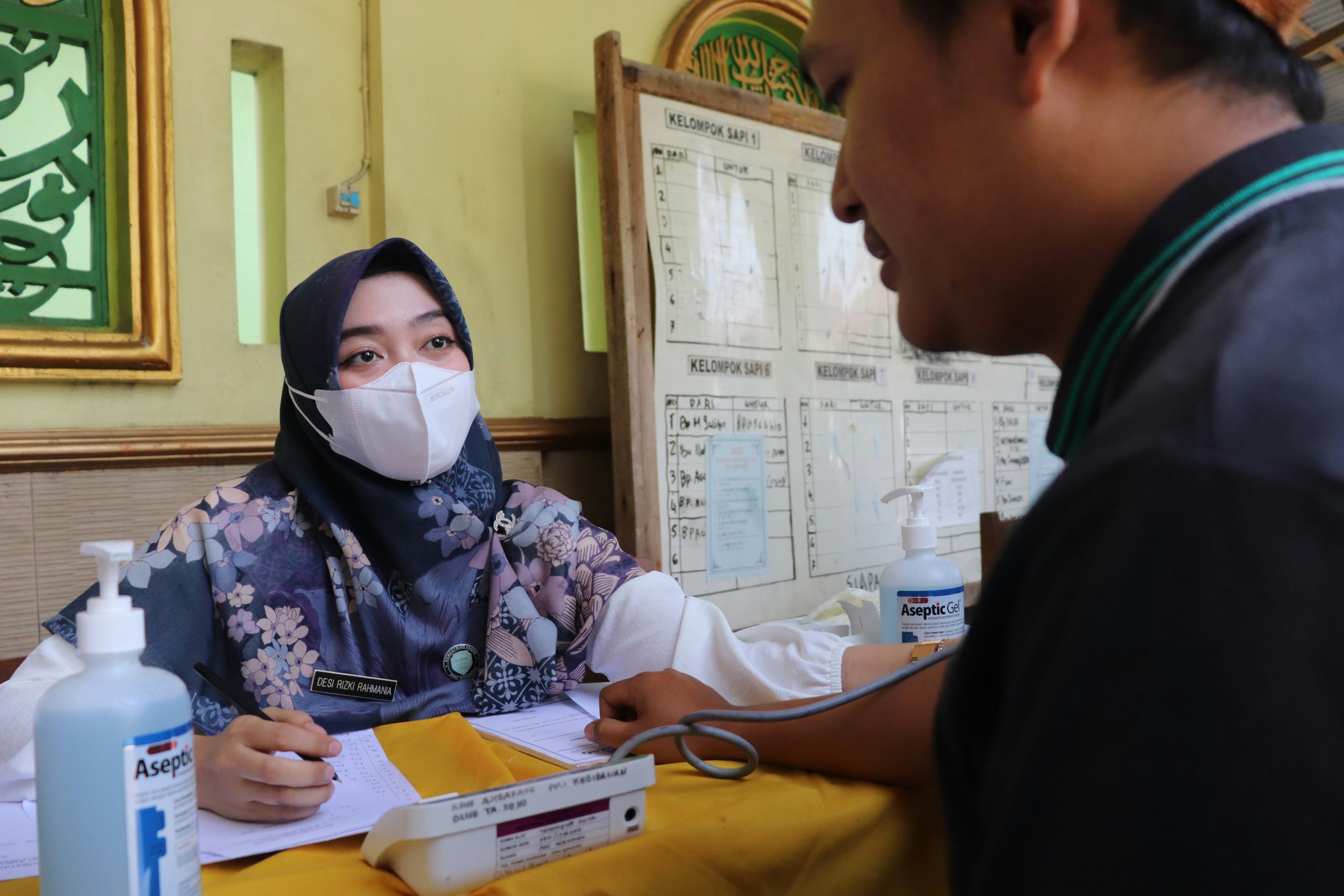
On a humid Tuesday morning in a coastal barangay in Legazpi, Albay, 54-year-old “Aling Lita” makes her rounds. Between her blood-pressure checks and follow-ups for diabetes patients, she now asks two new questions: Have you been feeling down? Have you lost interest in things you used to enjoy?
If a neighbor answers “yes” twice, she doesn’t diagnose, she listens, notes red flags, and helps book a same-week appointment with the municipal physician or the nearest mental health provider. Quiet, practical, and potentially lifesaving, Lita’s two-minute mood check is part of a growing nationwide shift.
Across the Philippines, BHWs and community volunteers are emerging as the first line of defense for mental health, trained to spot warning signs, offer basic support, and link residents to care long before a crisis escalates.
A Policy Backstop: The Mental Health Act and mhGAP
The Philippine Mental Health Act (RA 11036), enacted in 2018, established the legal foundation for integrating mental health into all levels of health care, including barangay services. It mandates government support for community-based mental health care and training of local workers for early detection and referral.
Consistent with this mandate, DOH Administrative Order 2021-0012 launched the Medicine Access Program – Mental Health (MAP-MH) and formalized mhGAP training for non-specialist providers. mhGAP equips generalist health workers to assess and manage priority mental, neurological, and substance-use (MNS) disorders in low- and middle-income countries.
According to the WHO Special Initiative for Mental Health, the Philippines is training nurses, midwives, and BHWs to bridge service gaps in underserved areas.
Evidence of progress is visible: a 2025 study reported that primary care workers in HIV clinics have been trained using mhGAP protocols to manage mental health conditions.
Why Task-Sharing Matters
The gap between the Philippines’ mental health needs and available specialists continues to widen, especially among the youth. A 2024 study found that moderate to severe depressive symptoms among Filipino adolescents increased from 9.6 % in 2013 to 20.9 % in 2021.
Globally, WHO estimates that 10–20 % of children and adolescents experience a mental disorder. Earlier WHO collaborative data showed that around 16 % of Filipino children had a mental disorder—a figure still often cited in local mental health literature.
Task-sharing seeks to close this gap by empowering non-specialists to perform basic screening, provide psychosocial support, and facilitate referrals. Meanwhile, financing is catching up.
In October 2023, PhilHealth launched its Outpatient Mental Health Benefits Package (Circular 2023-0018), offering coverage for consultations, diagnostics, follow-ups, psychosocial support, and access to medicines for individuals aged 10 and older. The general package provides up to ₱9,000 annually, while the specialty package covers up to ₱16,000.
What BHWs Can—and Can’t Do
BHWs are not psychiatrists, but they are becoming community gatekeepers for mental health. According to WHO’s Special Initiative, barangay workers are being trained to identify distress, offer psychological first aid, and guide referrals.
The DOH’s Framework for Community-Based Mental Health Programs (2021) piloted training for 47 BHWs in selected barangays to recognize symptoms, promote well-being, and refer residents to Rural Health Units (RHUs) and hospitals.
- With structured guidance, they can:
- Recognize red flags such as persistent sadness, agitation, or suicidal thoughts;
- Provide basic psychological first aid and supportive listening;
- Facilitate referrals to RHUs, hospitals, or DOH-accredited mental health providers; and
- Promote mental health literacy in home visits, mothers’ classes, and community meetings.
A 2024 study in Mandaluyong City found that many BHWs understand their role in early detection but face barriers such as insufficient training and unclear referral pathways.
Similarly, a Philippine Health Research Registry survey of 279 BHWs noted positive attitudes toward mental health but a need for stronger supervision and materials.
Globally, a 2025 scoping review on the community component of mhGAP found that non-specialists can deliver basic care effectively, but only with consistent supervision and clear referral systems.
Signals of Need
Data underscore why community-based care matters. According to the Philippine Statistics Authority, the country recorded 3,133 deaths due to intentional self-harm in 2023.
Earlier, suicides surged to 4,420 in 2020, a 57 % increase from 2019. A PSRTI analysis also shows that suicide mortality among men is four times higher than among women, with rising rates among 15- to 24-year-olds.
Globally, suicide is the third leading cause of death among 15–29-year-olds (WHO, 2025) and the second among adolescents in the Western Pacific Region (Okubo et al., 2024).
These numbers make clear that early detection at the barangay level isn’t optional—it’s urgent.
Financing and Referrals: The PhilHealth Link
PhilHealth’s Outpatient Mental Health Benefits Package sets benefit codes, reimbursement rates, and accreditation requirements for general and specialty providers.
The package covers screening, mhGAP-aligned assessments, diagnostics, up to 12 follow-ups, psychoeducation, and psychosocial support. It also links with DOH’s Medicine Access Program for Mental Health (MAP-MH).
By establishing structured financing and accreditation, PhilHealth provides a tangible referral pathway for BHWs and families, reducing catastrophic out-of-pocket expenses that often delay care.
Ethics, Rights, and Supervision
The Mental Health Act guarantees patients’ rights to informed consent, confidentiality, and freedom from discrimination. It requires that consent be obtained before treatment and may only be waived in emergencies or when the patient lacks decision-making capacity.
Globally, experts emphasize that supervision is essential in task-shared systems. A 2023 framework for supervision in low-resource settings stresses ongoing mentorship, feedback, and escalation protocols to preserve care quality and prevent burnout.
Training the Frontliners
mhGAP-aligned training is modular and competency-based, covering symptom recognition, suicide risk assessment, psychosocial support, and referral. According to WHO’s Training of Health-care Providers (ToHP) manual, participants learn to “identify, assess, treat, and manage priority MNS disorders in non-specialized settings.”
In the Philippines, WHO’s Special Initiative reports ongoing pilots of brief psychological interventions such as problem-management therapy, delivered under clinical supervision.
According to a 2023 DOH Freedom of Information release, mhGAP training is conducted in first- and second-level facilities, alongside Mental Health and Psychosocial Support (MHPSS) modules for community care.
Where Hotlines Fit
Hotlines aren’t substitutes for therapy, but they are critical lifelines. The NCMH Crisis Hotline (1553) offers 24/7 confidential support for emotional distress, suicidal thoughts, and grief. According to DOH and WHO, the hotline “Kamusta Ka? Tara Usap Tayo” was launched in 2019 to provide prompt psychological first aid.
Globally, hotlines are central to suicide-prevention networks. A 2025 global study across 105 countries found that most hotlines face funding challenges but remain vital bridges to care. (Vaghela et al., 2025)
Meanwhile, a 2020 systematic review found that while hotlines reduce immediate distress, long-term linkage to clinical care remains an area for improvement. (Hoffberg et al., 2020)
The Promise and the Pitfalls
Community detection and early intervention are both cost-effective and lifesaving. The WHO-DOH Investment Case for Mental Health in the Philippines estimates that every ₱1 invested in scaled-up depression and epilepsy care yields ₱6.6 and ₱5.3 in productivity and health returns. Mental disorders cost the Philippines ₱68.9 billion annually, about 0.4 % of GDP, mainly from lost productivity.
However, weak supervision and heavy workloads can undermine progress. A 2023 review warns that excessive demands and limited oversight expose community health workers to stress and burnout. Stigma also persists: families may still fear gossip or labeling, limiting help-seeking.
To sustain reforms, WHO recommends integrating mood screening into routine services, providing transport support for urgent referrals, maintaining updated referral maps, and offering regular debriefing for BHWs, so mental health becomes a shared, sustainable duty rather than an added burden.
What “Good” Looks Like in a Barangay
A functional barangay mental health setup might include:
- A two-question mood screener embedded in existing forms;
- A privacy corner for confidential consultations;
- Referral maps listing RHUs and accredited clinics;
- Hotline cards in local languages for households;
- Monthly case conferences between BHWs and municipal health staff; and
- PhilHealth enrollment drives to ensure families can use benefits.
Each small step contributes to a stronger safety net—one that catches distress early and connects residents to timely care.
For Families and Schools
Families and schools can reinforce this network.If you notice someone struggling, tell a BHW or nurse specific behavioral changes, request an RHU evaluation within the week, and call a crisis hotline if risk is immediate.
Meanwhile. schools and youth groups can invite BHWs to mental-health sessions, coordinate follow-ups for at-risk students with parental consent, and display referral maps and hotline numbers on bulletin boards.
A Philippine Health Research Registry study of 279 BHWs in Dasmariñas City found strong motivation among workers but persistent training and resource gaps. Meanwhile, a UNICEF Philippines report calls for multisectoral partnerships among families, schools, and health units to expand adolescent mental health services.
From Pilot to Norm
The architecture for reform is taking shape: a rights-based law, a science-driven technical package (mhGAP), and a national insurance benefit that helps fund outpatient services. According to PhilHealth, the new benefit covers consultations, diagnostics, and psychosocial support for members aged 10 and above.
Furthermore, WHO’s Special Initiative highlights strengthened referral and patient navigation systems as priorities. A 2025 study on collaborative care confirms that Philippine primary-care physicians are now trained in mhGAP, while a 2025 global review cautions that community implementation still lacks full evaluation.
Back in Bicol, “Lita” finishes her morning visits. She’s not a therapist, and she knows it. But after six months, she has helped neighbors seek evaluation for depression, supported an elderly man with epilepsy treatment, and guided a teenage mother to counseling.
It may not make headlines, but in a country where mental health care often arrives too late, catching suffering early could be the quiet revolution, led by barangay frontliners of the mind.
Photo by Mufid Majnun on Unsplash