
There is a certain irony to the phrase mental health awareness. We see it every October — ribbons, slogans, hashtags — yet still speak of mental illness in whispers. In homes, offices, and schools, people lower their voices when the subject turns to depression, anxiety, or trauma, as though even the words themselves might infect the air.
But the truth is, “madness” has always lived beside us — not in distant asylums, but in our families, our friendships, our mirrors. The more we deny it, the more we deepen the ache of those who silently live with it.
Today, on World Mental Health Day, it’s worth asking: what if we’ve been getting the language wrong? What if mental illness isn’t an aberration — but a mirror reflecting our shared humanity?
JOURNALING HELPS YOU CARE FOR YOUR MENTAL HEALTH
The Fragility We All Share
The World Health Organization estimates that one in every eight people globally lives with a mental disorder. That’s not an invisible minority; it’s our neighbors, colleagues, siblings, teachers, even ourselves. Depression alone affects an estimated 280 million people. Anxiety disorders, the silent companions of our hyperconnected age, affect even more.
And yet, despite these numbers, access to care remains starkly unequal. The WHO reports that over 70% of people in low- and middle-income countries receive no treatment at all. Silence, stigma, and shame — not just scarcity of resources — form the invisible barriers to healing.
READ: Overcoming Self-Abandonment — Reclaiming Self-Worth
The Myth of “Madness”
We have inherited a vocabulary of judgment: baliw, sira, unstable. Words that wound and isolate. But when we strip away the labels, what remains are human beings doing their best to survive unbearable weight.
Science now understands what society has been slow to grasp — that mental illness is not a moral failing but a complex interplay of biology, environment, and lived experience. Brain scans reveal how chronic stress reshapes neural pathways. Genetics may load the gun, but trauma and social inequality often pull the trigger.
When we begin to see this not as weakness but as data of being alive, compassion becomes a form of intelligence.
READ: Embracing Otherness — Discovering the Otrovert Within
A Culture Learning to Listen
The Philippines, like many Asian cultures, values endurance — tiis lang, we say, as though pain were proof of strength. But perhaps the bravest act is to speak.
Recent mental health movements, from advocacy groups to community counseling platforms, are reframing care as both a personal and collective responsibility. Schools integrate mindfulness programs. Workplaces begin mental wellness check-ins. And slowly, conversations that once happened only behind closed doors now happen in daylight.
Still, this progress demands vigilance. Awareness is not the same as understanding. Posting a quote about self-care is not the same as building systems that ensure care is available and affordable.
Resilience Without Romanticism
There is a danger in glorifying resilience — of telling people to “stay strong” when what they need is permission to rest, cry, or rage. Healing is not linear. It’s a long negotiation with one’s own mind. It’s medication and meditation, therapy and faith, science and story — all intertwined.
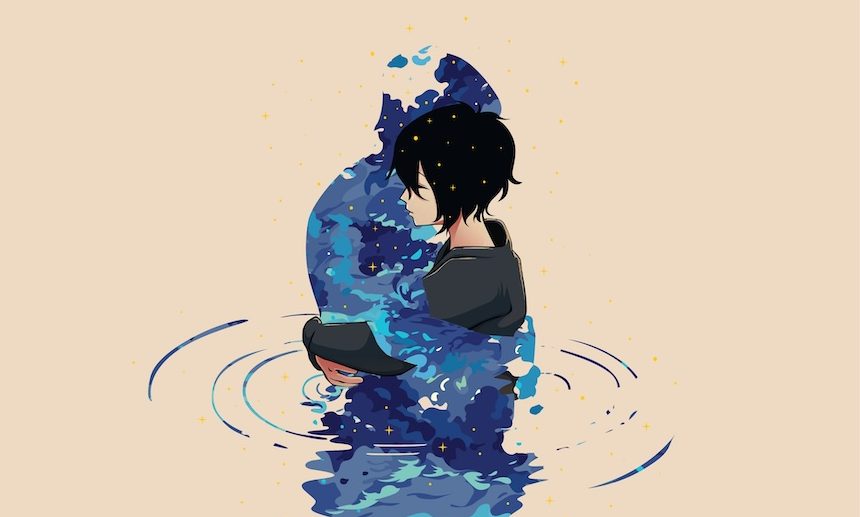
And for those who live with invisible pain: you are not broken. You are evidence that the human mind can fracture and still find meaning, that it can tremble and still reach for light.
The Joyful Wellness Reflection
To care for mental health is not to eliminate sadness or anxiety but to cultivate space for them to exist without devouring us. The practice of joyful wellness begins there — in the quiet courage of acknowledgment.
So today, when you ask someone “How are you?”, listen long enough for the pause that follows. That pause may be the sound of someone deciding whether it’s finally safe to tell the truth.
Because awareness is not the campaign. Awareness is the conversation. And in that shared silence between two people brave enough to speak honestly — healing begins.
Takeaway
Mental health is not an individual battle—it’s a cultural and collective responsibility. By replacing stigma with compassion and silence with understanding, we create a society where healing is not hidden but honored.
References:
- World Health Organization. Mental health: Strengthening our response. WHO, 2024.
- Department of Health (Philippines). National Mental Health Program Report. DOH, 2023.
- Harvard Medical School. “The Science of Neuroplasticity and Recovery.” Harvard Health Publishing, 2022.
- American Psychological Association. Resilience and Mental Health, 2023.
- Philippine Statistics Authority. Suicide and Mental Health Data, 2023.
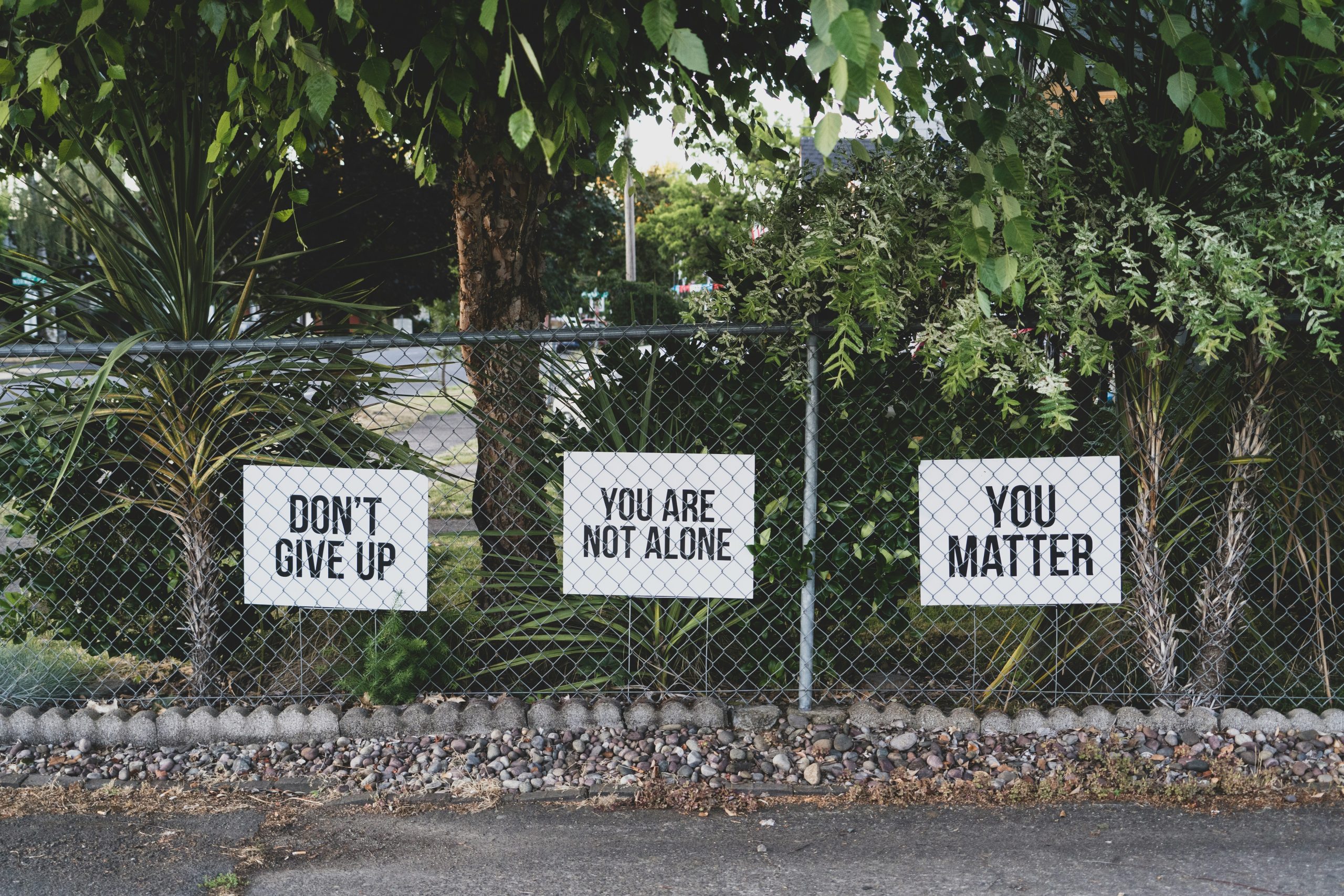
Photo by Dan Meyers on Unsplash