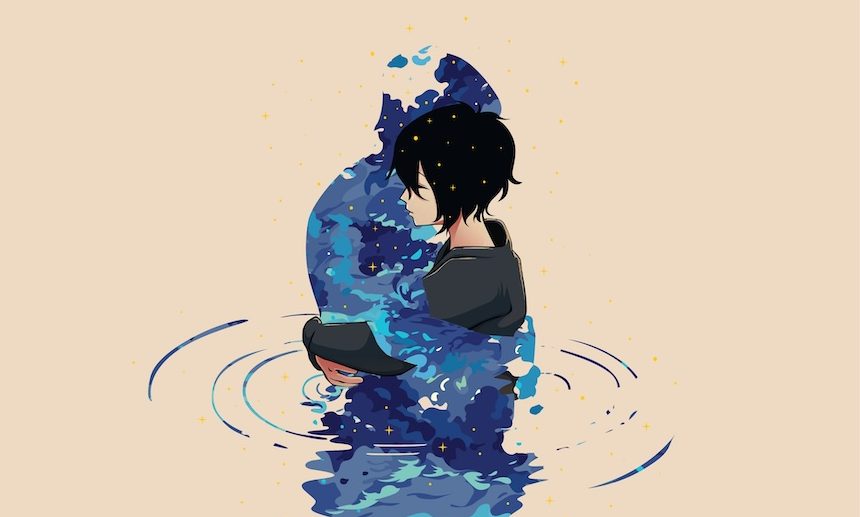

The saddest injury is when absurdity overwhelms, and all that remains is the hollow void left by one who, lost in life’s darkness, could no longer stay afloat.
Every September 10, the world pauses for World Suicide Prevention Day — a day that forces us to confront one of the most difficult, often unspoken realities of human life.
Suicide remains among the leading causes of death worldwide, and in the Philippines, the numbers are quietly rising. Yet behind every statistic lies a household left haunted by questions, silence, and the deep ache of absence.
For Filipino families, conversations about suicide often unfold in whispers. The language we use betrays us: nagpatiwakal (took one’s own life), mahina ang loob (weak of will).
These words reflect not only stigma but also misunderstanding. Suicide is not a crime, nor is it cowardice.
It is, in most cases, the tragic culmination of untreated mental illness—depression, bipolar disorder, severe anxiety, or trauma—that has gone unrecognized, dismissed, or hidden.
To speak openly of suicide in the Philippine context is not merely about statistics; it is about challenging cultural silence and offering households the tools to recognize, respond, and support.
DON’T KEEP YOUR PAIN BOTTLED UP. HERE’S A SAFE SPACE FOR YOU TO EXPRESS IT.
Suicide Prevention in the Philippines: Breaking Through Stigma
Globally, suicide claims close to 800,000 lives each year according to the World Health Organization. In the Philippines, while underreporting remains a challenge due to stigma, suicide deaths and attempts have risen in recent years, particularly among young people.
Yet numbers alone cannot capture the magnitude of the problem.
Suicide prevention in the Philippines requires a confrontation with cultural beliefs that downplay or dismiss mental health. Families often interpret depression as laziness, despair as lack of faith, or anxiety as something to be overcome through sheer willpower.
These misperceptions, deeply embedded in cultural and religious traditions, prevent individuals from seeking timely help.
The reality is clear: mental illness is treatable, and suicide is preventable. But silence and stigma keep too many from accessing support.
READ: Philippine Men Face Rising Mental Health Struggles
What Suicide Looks Like — And What It Doesn’t
Contrary to public perception, suicide rarely announces itself in obvious ways.
We expect to see despair, tears, withdrawal. Yet suicide often wears a smile.
The most vibrant person at a party may be silently exhausted. The hardworking breadwinner may carry unbearable pressures no one asks about.
This unpredictability underscores why suicide prevention must begin at the household level. Creating an environment where one can say, “I’m not okay” without ridicule or dismissal is the most powerful defense any Filipino family can build.
READ: 10 Facts About Mental Health — Why It’s Just as Important as Physical Health
Lessons for Every Filipino Household
- Normalize mental health conversations. In the same way we talk about diabetes or hypertension, families must speak of depression, anxiety, and bipolar disorder without shame. Making mental health a “safe topic” is a cultural shift that begins at home.
- Expand compassion. Suicide prevention requires empathy beyond clichés. It is not enough to say “magdasal ka lang” (just pray) or “be strong.” Listening without judgment is often the first form of care.
- Leverage Filipino strengths. Strong family ties and communal bonds are central to our culture. These can be protective factors, if nurtured intentionally. Family dinners without screens, prayer, and “kumustahan” sessions can serve as early interventions.
- Know where help is. In the Philippines, the National Center for Mental Health (1553) and NGOs like Hopeline PH are lifelines. Spreading these numbers in schools, barangays, and workplaces can save lives.
- Shift the frame. Suicide is not about wanting to die; it is about wanting an unbearable pain to end. Recognizing this reframes the narrative from blame to compassion.
Intellectual and Ethical Responsibility
To intellectualize suicide is not to strip it of its human pain but to see it in context. Suicide prevention is not merely the domain of psychiatrists or policymakers — it is an ethical responsibility of society.
The philosopher Albert Camus once wrote that the central philosophical question is whether life is worth living. For those who die by suicide, the answer feels impossible.
But for those of us left behind, the task is to make life livable for others—through compassion, advocacy, and presence.
World Suicide Prevention Day is not only a commemoration but a challenge: How can every Filipino household become a space where struggle is visible, where help is accessible, where stigma is dismantled?
A Call Toward Joyful Wellness
At its core, suicide prevention is about connection.
Behind every struggle is a desire to be seen and be heard, to belong, to feel that life still has meaning. Behind every household is the possibility of becoming that space of refuge.
Joyful Wellness is about transformation, and in the context of suicide prevention, transformation begins with seeing one another differently. To look at a family member, a friend, or even a stranger, and choose not indifference, but empathy.
Suicide is not an individual tragedy alone. It is a societal challenge, a cultural mirror, and a call to action.
In the dark, hope is the light we choose to share. And sometimes, that light — offered through words, listening, or presence — is enough to save a life.
Hope is learning to float.
Even in the darkest waters, the body remembers: it does not need to thrash or fight to stay above. Floating is an act of trust — in the water that cradles us, in the breath that keeps us buoyant, in the gentle truth that the storm will pass.
To learn to float is to believe that survival is possible without perfection, that we can surrender our weight and still not drown. Hope is not a rescue boat arriving from afar; it is the calm discovery that, even when exhausted, we can rest on the surface of life and let the tide carry us forward.
In moments when despair pulls heavy, hope whispers: Lie back. Breathe. The sea that threatens to swallow you can also hold you up. To hope is to float.
Crisis Resources (Philippines):
- NCMH Crisis Hotline: 1553 (landline), 0966-351-4518, 0917-899-8727
- Hopeline PH: 0917-558-4673, (02) 8804-4673
- MindNation: via Facebook Messenger
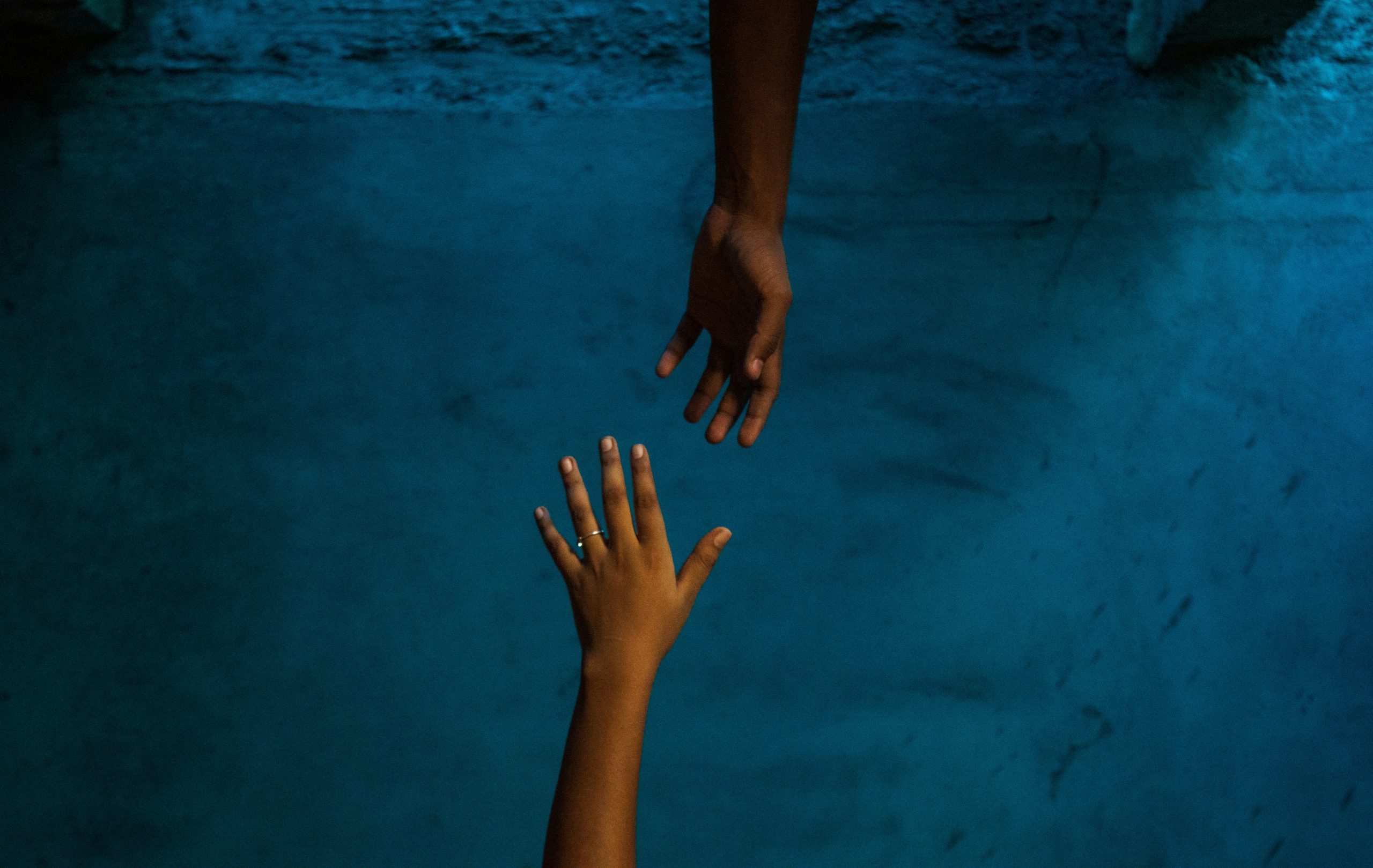
Photo by Akhil Nath on Unsplash
DISCLAIMER
This article provides general information and does not constitute medical advice. Consult your healthcare provider for personalized recommendations. If symptoms persist, consult your doctor.