
There is a quiet memory etched into the human body, a story that begins even before we can speak and lingers long after words fade.
From the first cry of a newborn to the measured breath of someone at ninety-six, the body is more than a vessel — it is an archive. Every heartbeat, every scar, every wrinkle is both a reminder and a lesson.
To understand wellness is to listen to what the body remembers.
A JOURNAL IS THE DOCUMENTATION OF YOUR LIFE STORY.
At the beginning, there is fragility.
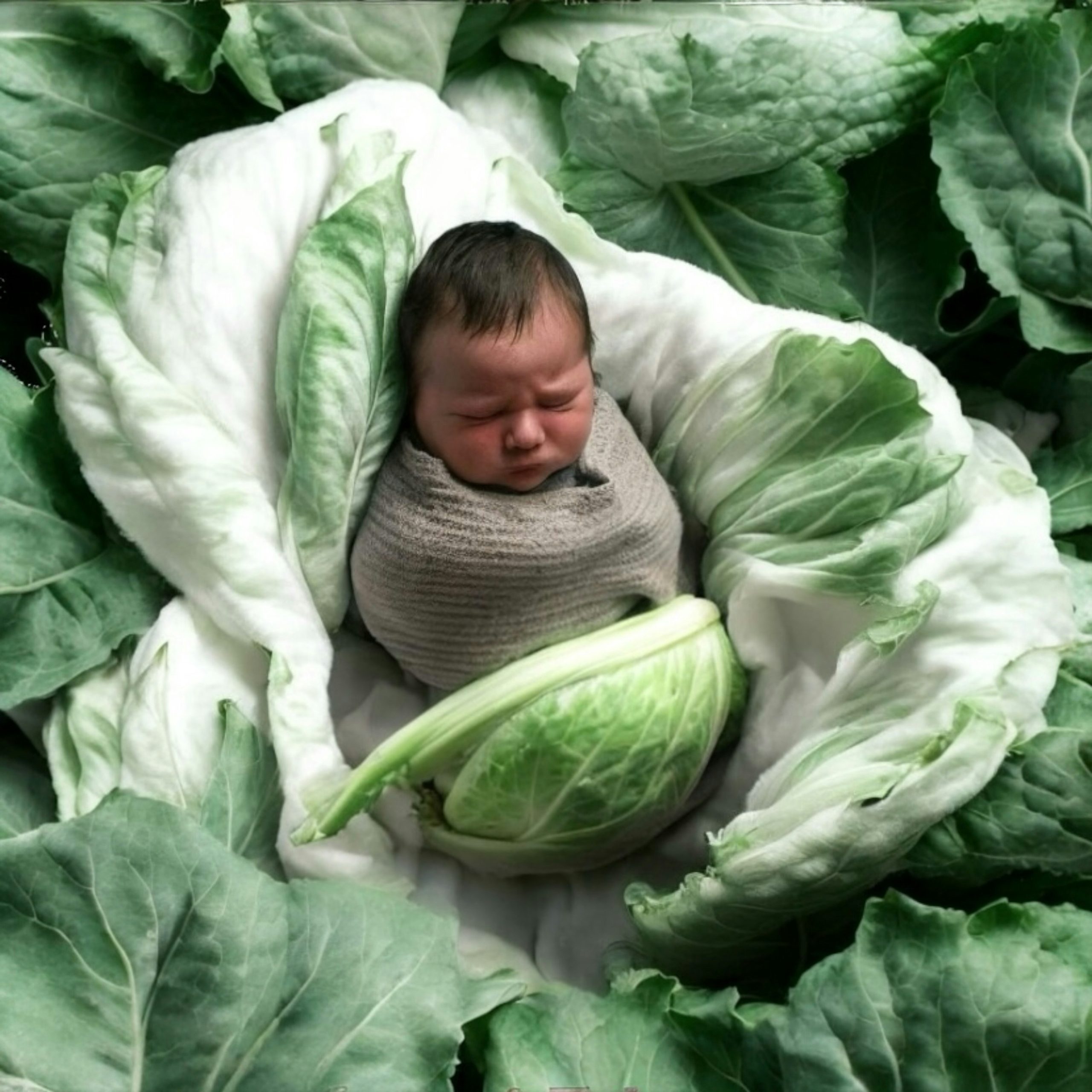
In the first days of life, a newborn carries a whole universe of possibility. This is why National Newborn Screening Week matters — because within those first drops of blood lies the knowledge that can alter a life.
Screening is not just a medical protocol; it is a gift of foresight, a chance to catch silent conditions before they harden into fate. Parents learn quickly that wellness is about vigilance and not perfection, not fear but preparation.
The lesson of infancy is simple: nurture before harm can root.
READ: Luxury of Stillness — Why Rest, Slow Living, and Longevity Are the New Status Symbols
Childhood brings resilience.
A child’s body tumbles, bruises, heals — again and again.
Play is the laboratory of strength. The scraped knees, the growing pains, the restless energy are all reminders that growth is both chaotic and wondrous.
Childhood wellness teaches us elasticity, that the body is designed to recover when given rest, nutrition, and safety. And it reminds adults of something essential: joy itself is medicine.
READ: Understanding the Aging Process — Key Facts, Stages, and Lifestyle Factors
Adolescence hums with fire.
The teenage years come like a storm — hormones surging, bones lengthening, identity stretching. The body teaches the lesson of transformation here, sometimes awkward, sometimes triumphant.
It is a season of discovery, where food, exercise, and sleep are no longer just parental commands but conscious choices shaping independence.
The wellness of youth is not merely physical but also mental, demanding compassion for the turbulence within.
Adulthood carries endurance.
By the time we reach our 30s and 40s, the body settles into its rhythm. Careers, families, responsibilities — the body quietly adjusts to long days and short nights.
Here, disease prevention becomes a steady drumbeat: annual check-ups, balanced meals, deliberate movement. We learn that endurance means sustaining wisely and that we should not be pushing endlessly.
The adult body keeps track of every skipped meal, every late night, every choice made in the rush of daily life. Yet it also remembers the moments we chose differently — the morning walks, the laughter shared, the meals eaten slowly.
Wellness in adulthood is about choices compounding into legacy.
Middle age whispers accountability.
At 50 or 60, the body begins to reveal its long-kept secrets. Cholesterol, blood pressure, bone density — they arrive like postcards from the past, each stamped with decisions made decades earlier. Y
et this is not a time of regret but of awakening. The body teaches forgiveness here, showing that it can still repair, adapt, and thrive if we honor its limits.
Preventive care, mindful nutrition, stress management — these are not chores but investments. The lesson of middle age: it is never too late to listen.
Elderhood embodies wisdom.
As October also brings Elderly Filipino Week, we are reminded that wellness stretches far beyond youth. At ninety-six — the age of someone’s beloved aunt, grandmother, or neighbor — the body has become a living manuscript.
Wrinkles are not failures but footnotes; slower steps are not weakness but rhythm. Elderhood teaches us about grace, about relishing presence and letting go of speed.
Science confirms what elders have long known: social connection, laughter, purpose, and simple pleasures nourish longevity as surely as any prescription.
What the body remembers most is not the statistics of blood tests but the lived experience of care, neglect, healing, and renewal.
Across the lifespan, from the newborn heel prick to the wisdom of ninety-six years, wellness is not a checklist. It is a continuum.
This is what October reminds us: the journey of health is shared across generations. Parents protecting babies, adults investing in prevention, elders teaching resilience — each stage is connected, each lesson handed forward.
Wellness is memory. Wellness is legacy. Wellness is listening.
So let us begin this month with reverence. Let us honor the fragile, the resilient, the fiery, the enduring, the accountable, and the wise. Let us see the body not as a problem to solve but as a teacher to follow.
From newborn to ninety-six, what the body remembers is simple: life is meant to be lived well, as much as possible in joy.
🌿 What the Body Remembers: A Lifespan Retreat
👶 Newborn — Fragility
🩸 Wellness begins in vigilance: protect before harm can root.
🎨 Childhood — Resilience
🌈 Play teaches that joy is medicine and the body knows how to heal.
🔥 Adolescence — Transformation
⚡ Growth is awkward and beautiful; the storm shapes independence.
⚖️ Adulthood — Endurance
☀️ Small, daily choices compound into strength or fatigue. Choose wisely.
⏳ Middle Age — Accountability
🌿 The body whispers its history; it also forgives when we listen.
🌸 Elderhood — Wisdom
🕊️ Slow steps, soft laughter, and connection are the true elixirs of longevity.
✨ Legacy — Continuum
💫 Wellness is memory passed forward — from newborn to ninety-six.
October’s Gentle Reminders
1. Pause for Memory
Take one quiet minute each day to recall a body lesson you’ve learned — from your childhood or from someone older.
2. Nurture Before Harm
Schedule the check-up you’ve been putting off, or encourage a loved one to do the same.
3. Move with Gratitude
Whether a short walk, a stretch, or dancing to your favorite song — let movement remind you of resilience.
4. Share Connection
Call or visit someone from another generation this week. Exchange one story each — a seed of continuity.
5. Choose Joy Intentionally
Find one simple pleasure every day — a warm drink, a smile, a song — and savor it without rush.
Photo by Jessica Long on Unsplash