

How to end the week with steadiness instead of dread
There is a particular feeling that arrives on Sunday night.
You glance at the clock, run the mental inventory of unfinished tasks. Monday begins rehearsing itself in your head before it has even arrived.
Psychologists call this anticipatory anxiety. Many call it the Sunday Scaries.
But what if Sunday night could become something else?
Do not let it be a countdown to stress.
But a quiet reworking.
Here is how to turn Sunday night into a wellness ritual — one that strengthens both body and mind.
1. Close the Week Intentionally
Instead of letting Sunday dissolve into random scrolling, create a closing ritual.
Ask yourself:
- What went well this week?
- What drained me?
- What needs attention — and what can wait?
Writing these down lowers cognitive load. Research shows that journaling before bed reduces musing and improves sleep onset. A five-minute “brain dump” is often enough.
2. Prepare Monday Without Obsessing Over It
Lay out clothes. Organize your things. Glance at your calendar.
Preparation reduces anxiety because the brain equates preparedness with safety. But stop after 15–20 minutes. Planning beyond that often becomes rehearsing stress.
3. Protect Your Sleep Window
Sunday night sleep matters. Irregular sleep patterns increase stress hormones and impair focus on Monday.
Try:
- No heavy news or political debates after 8 PM
- Dimming lights 60 minutes before bed
- Avoiding caffeine late afternoon
- Putting the phone away 30 minutes before sleep
It sounds simple. It works.
READ:Stress Less, Glow More: A Practical Guide to Better Sleep and Hydration
4. Reconnect — Briefly, Gently
Call a parent. Sit with your children. Share tea with your spouse. Watch the fish. Even ten minutes of meaningful connection activates oxytocin and counteracts stress responses.
Wellness is relational.
5. Choose One Intent for the Week
Not a resolution. Not a grand transformation.
Just one word:
Calm.
Patience.
Discipline.
Kindness.
The brain anchors to intention better than to vague ambition.
6. Move Your Body — Lightly
A short walk after dinner. Gentle stretching. Spelling your name with your hands stretched out. Five minutes of deep breathing.
Movement metabolizes stress hormones. Stillness without tension lowers heart rate variability — a marker of resilience.
7. Give Yourself Permission to Rest
Productivity culture often steals Sunday night. But rest is not laziness — it is neurological recovery.
A rested brain decides better. A calm body reacts less.
Sunday Is Not an Emergency
The week ahead will come whether you tense up or not.
Sunday night can be dread — or it can be a reset.
It can be:
- A health check.
- A gratitude pause.
- A gentle preparation.
- A boundary against chaos.
Wellness is rarely a spectacle.
Often, it is simply the decision to end the week without punishing yourself for what you did not finish.
And that may be the most empowering habit of all.
The Sunday Night Reset
How to end the week with steadiness instead of dread
There is a particular feeling that arrives on Sunday night.
It is subtle at first — a tightening in the chest, a glance at the clock, the mental inventory of unfinished tasks. Monday begins rehearsing itself in your head before it has even arrived.
Psychologists call this anticipatory anxiety. Many call it the Sunday Scaries.
But what if Sunday night could become something else?
Not a countdown to stress.
But a quiet recalibration.
Here is how to turn Sunday night into a wellness ritual — one that strengthens both body and mind.
1. Close the Week Intentionally
Instead of letting Sunday dissolve into random scrolling, create a closing ritual.
Ask yourself:
- What went well this week?
- What drained me?
- What needs attention — and what can wait?
Writing these down lowers cognitive load. Research shows that journaling before bed reduces rumination and improves sleep onset. A five-minute “brain dump” is often enough.
2. Prepare Monday Without Obsessing Over It
Lay out clothes. Pack your bag. Glance at your calendar.
Preparation reduces anxiety because the brain equates preparedness with safety. But stop after 15–20 minutes. Planning beyond that often becomes rehearsing stress.
3. Protect Your Sleep Window
Sunday night sleep matters. Irregular sleep patterns increase stress hormones and impair focus on Monday.
Try:
- No heavy news or political debates after 8 PM
- Dimming lights 60 minutes before bed
- Avoiding caffeine late afternoon
- Putting the phone away 30 minutes before sleep
It sounds simple. It works.
4. Reconnect — Briefly, Gently
Call a parent. Sit with your children. Share tea with your spouse. Even ten minutes of meaningful connection activates oxytocin and counteracts stress responses.
Wellness is relational.
5. Choose One Intent for the Week
Not a resolution. Not a grand transformation.
Just one word:
Calm.
Patience.
Discipline.
Kindness.
The brain anchors to intention better than to vague ambition.
6. Move Your Body — Lightly
A short walk after dinner. Gentle stretching. Five minutes of deep breathing.
Movement metabolizes stress hormones. Stillness without tension lowers heart rate variability — a marker of resilience.
7. Give Yourself Permission to Rest
Productivity culture often steals Sunday night. But rest is not laziness — it is neurological recovery.
A rested brain decides better. A calm body reacts less.
Sunday Is Not an Emergency
The week ahead will come whether you tense up or not.
Sunday night can be dread — or it can be a reset.
It can be:
- A health check.
- A gratitude pause.
- A gentle preparation.
- A boundary against chaos.
Wellness is rarely dramatic.
Often, it is simply the decision to end the week without punishing yourself for what you did not finish.
And that may be the most empowering habit of all.
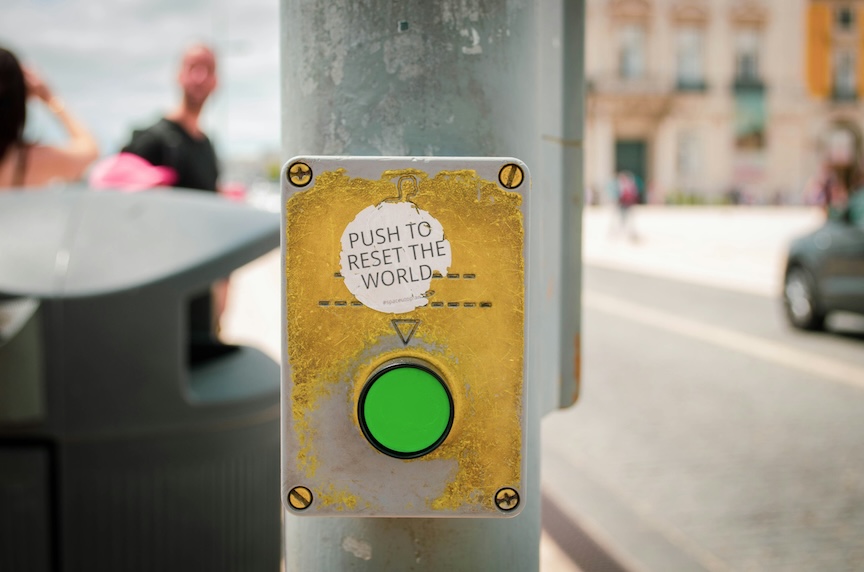
Photo by Jose Antonio Gallego Vázquez on Unsplash
References & Further Reading:
- American Psychological Association – Stress effects on the body and anticipatory anxiety
(General overview of how stress and rumination impact mental and physical health) - Sleep Foundation – Sleep hygiene and pre-sleep routines
(Research summaries on bedtime routines and sleep quality) - Pennebaker, J.W. (1997). Writing about emotional experiences as a therapeutic process. Psychological Science.
(Foundational research on journaling reducing rumination and improving emotional regulation) - National Institute of Mental Health – Anxiety and stress management resources
- Thayer, J.F., et al. (2012). Heart rate variability and stress resilience. Biological Psychology.
(On physiological regulation and stress recovery)