
There’s something quietly generous about sitting in a dark theater—or sinking into a couch at home—and letting a story take you somewhere else. Wicked is one of those stories: loud with music, big with color, and tender beneath its spectacle. Beyond the songs, the flying, and the theatrical joy, the film carries lessons that can settle in the body, steady the heart, and make us kinder to ourselves and others.
Watching a movie is absolutely more than just entertainment. It can be a small, accessible ritual that uplifts mood, expands empathy, and offers a shared moment of joy. Research shows that carefully chosen films can increase empathy and help reduce anxiety in viewers, so this is more than feel-good talk—it’s evidence-based. PMC+1
Below are three life lessons Wicked serves up—lessons that Joyful Wellness invites you to practice, journal about, and share.
1) Embrace difference — your uniqueness is strength
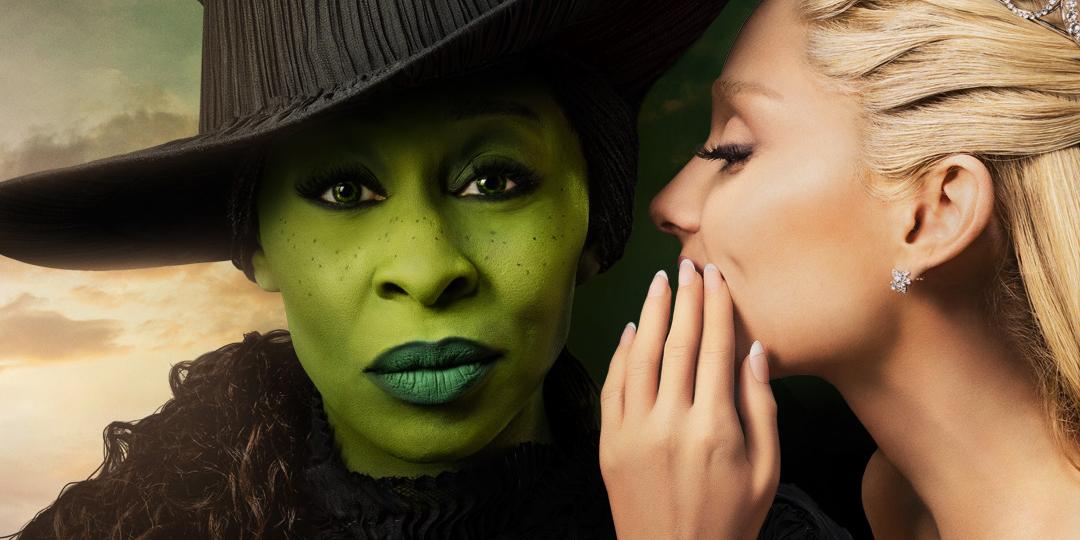
At the heart of Wicked is Elphaba: singular, green, and misunderstood. The film reminds us that being different is not a defect; it’s often the very source of one’s power. Reviews and cultural pieces about the movie highlight this theme again and again—Elphaba’s difference forces the world to reckon, and ultimately invites courage. GMA Network+1
How this helps your wellness:
When we learn to accept our quirks, we release the energy spent on hiding. Acceptance lowers internal tension and frees attention for creative, meaningful action.
Try this as a micro-practice:
Tonight, after the film, in your A Better You journal, write one thing that makes you “different” and list one way that difference has helped you. Revisit it monthly.
GET YOURSELF A BETTER YOU JOURNAL TODAY
2) Choose compassion and real friendship over polite performativity
One of the film’s most moving arcs is the friendship between Elphaba and Glinda. What begins as surface-level niceness evolves into messy, real companionship—full of mistakes, forgiveness, and fierce loyalty. Critics and reviews note how the bond is the emotional center of the movie. ABS-CBN+1
How this helps your wellness:
True connection is one of the strongest buffers against loneliness, depression, and anxiety. Shared experiences like watching a film together can strengthen bonds and open conversations about real feelings.
Try this as a group ritual:
Host a small Wicked night: watch, then spend 20 minutes sharing one moment that moved you. Use a journal prompt: “When did a friend surprise you with kindness?” Encourage listening without fixing.
3) Use your influence with care — privilege calls for responsibility
Wicked doesn’t shy away from power dynamics: who gets to speak, who gets to decide, and how public narratives shape people’s fates. A recurring lesson is that influence demands accountability; vanity and silence can harm others. Several analyses of the movie highlight its commentary on responsibility and the perils of easy popularity. GMA Network+1
How this helps your wellness:
When we act with integrity, our internal moral alignment reduces cognitive dissonance and stress. Being intentional in small daily choices creates a steady sense of agency.
Try this practical step:
In your journal, list one small action you can take this week that aligns with your values—helping a neighbor, speaking up for fairness, or modeling kindness online.
Why watching Wicked can be an actual wellness practice
Science supports what many of us feel: movies can make us kinder, calmer, and more reflective. Studies show that films can increase empathy and reduce anxiety—especially when followed by discussion or reflection. That makes movie-watching a tiny act of self-care and community care. PMC+2PMC+2
Here are simple, practical ways to make your Wicked viewing into a wellness ritual:
Before the movie
- Choose the company you want (close friend, family, or solo).
- Put your phone away to be present.
- Bring a journal and a small pen.
During the movie
- Notice physical sensations (tightness, warmth, tears). Breathe into them.
- Let yourself feel without judgment—laugh, cry, or sit quietly.
After the movie
- Spend 10 minutes journaling one insight and one gratitude. (Try: “What surprised me about today’s story?”)
- If with others, share one moment that moved you—no problem-solving, just listening.
- Make a tiny action plan: one way to be kinder this week.
Movie night nutrition + comfort tips (tiny, thoughtful choices)
- Swap sugary snacks for a small bowl of toasted nuts and fruit—sustained energy helps mood regulation.
- Hydrate before the show; low hydration can exacerbate fatigue and irritability.
- If theater crowds feel too much, create a cozy at-home screening with dim lights, warm tea, and soft blankets.
Community idea: Joyful Wellness Wicked Watch Parties
Host a monthly community screening (virtual or in-person). After the film, lead a gentle 20-minute reflection or journaling session. This builds belonging—a direct route to better mental health.
Final note: Stories teach us to be better humans
Wicked reminds us of our small, luminous possibilities—how difference can be honored, how friendship can steady us, and how influence is a trust to be stewarded. Watch with curiosity. Reflect with kindness. Use that small, shared ritual—movie night—as a soft way to practice joy.
UNIVERSAL PHOTO