

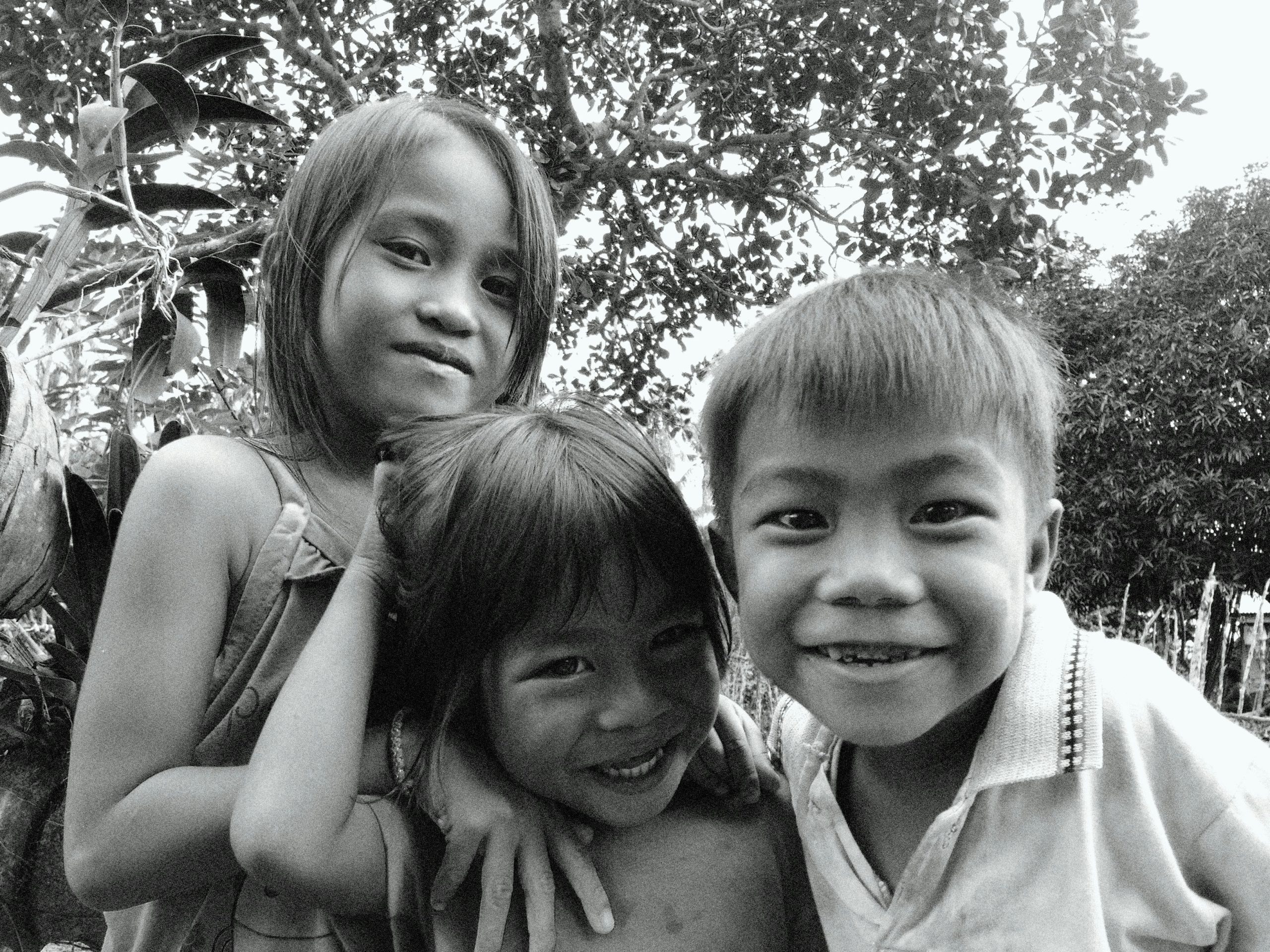
Nearly one in four Filipino children under five were stunted in 2023 (23.6%), according to the Department of Science and Technology–Food and Nutrition Research Institute’s latest National Nutrition Survey, an improvement from a decade ago but still a stubborn drag on health and learning.
Meanwhile, UNICEF warned in June 2024 that about 2 million Filipino under-fives (18%) live in severe child food poverty, surviving on monotonous diets that miss nutrient-dense foods.
Economists say the bill is mounting: a World Bank study pegged undernutrition’s cost at US$4.4 billion (≈1.5% of GDP) in 2015, and newer modeling now puts annual losses closer to US$8.1–8.5 billion (≈₱480–₱496 billion), roughly 2–3% of GDP.
In response, the World Bank–supported Philippines Multisectoral Nutrition Project (PMNP), launched in March 2023, is scaling first-1,000-days services across high-burden LGUs.
At a national mayors’ forum in July 2025, the Department of Health underscored a persistent “triple burden” of malnutrition and cited UNICEF figures that undernutrition “takes away ₱82.1 billion or 1.5% of GDP annually.”
READ: Philippines Confronts Twin Nutrition Threats as Risks Rise
Under the Tape
At a barangay health unit tucked behind a wet market in Quezon City, 27-year-old “Ana” (not her real name) slips in as shutters rattle down, her two-year-old on her hip. The midwife eases the child’s feet to the length board, pulls a paper tape, and frowns at the hash marks.
“Minsan po, isang lata ng sardinas, dalawang kainan na para lang magkasya,” (“Sometimes a single can of sardines has to feed us twice.”) Ana murmurs. On good weeks there’s an egg; on lean ones it’s rice, broth, and luck.
Pregnant again, she fingers the foil pack of iron–folic acid in her pocket.
“’Yung iron tablets, sumasama ang tiyan ko…” (The iron tablets make my stomach churn)
The midwife nods, side effects are common and manageable, then suggests taking it with food, shifting the time of day, drinking more water, and not stopping. She circles vitamin A day and deworming on the card, checks the growth chart, and scribbles a note to the daycare kitchen: if the LGU feeding budget can stretch to eggs, munggo, dilis, and dark-green leaves, children eat what many families cannot afford.
“Gusto ko lang, tumangkad siya at ’di sakitin, kahit itlog man lang araw-araw,” (Let him grow strong and healthy, just one egg a day) Ana whispers, half-promise, half-prayer.
The scene is intimate, but it matches the data: anemia burdens mothers and young children, and better pregnancy nutrition and diverse toddler diets are among the highest-return fixes. (WHO recommends daily iron–folic acid in pregnancy; FNRI finds micronutrient gaps among Filipino preschoolers.)
READ: Obesity Surges as Malnutrition Grips Filipinos’ Health
A Preventable Loss of Human Capital — and Pesos
Undernutrition has macro-level consequences.
According to the World Bank, child undernutrition cost the Philippines about US$4.4 billion (1.5% of GDP) in 2015, chiefly via lower schooling, reduced adult earnings, and premature deaths.
More recent estimates are starker. Nutrition International’s 2024 Cost-of-Inaction modeling places stunting losses near US$8.1 billion annually, and local reporting in January 2025 put overall undernutrition at about US$8.5 billion (≈₱496 billion) per year—2–3% of GDP.
At the 2025 PMNP National Mayors’ Forum, Health Secretary Teodoro Herbosa cited UNICEF figures of a ₱82.1 billion loss (≈1.5% of GDP) and warned of a “triple burden”: persistent undernutrition, widespread micronutrient deficiencies in mothers and children, and rising overnutrition.
Globally, the 2025 Joint Child Malnutrition Estimates report 150.2 million stunted children in 2024 (23.2%), a reminder that the window to protect brain and body growth is short—and the stakes are high.
READ: The First 1,000 Days — Why Breastfeeding and Early Nutrition Still Matter
Micronutrient Gaps That Start in the Womb
Behind the stunting rate are micronutrient deficits that begin in pregnancy.
ENNS 2018–2019 documented vitamin A deficiency (VAD) at 15.5% among children 6–59 months, a “moderate” public-health concern and anemia at 23.0% in pregnant women and 13.0% in lactating women.
Vitamin A coverage also lags. Only 50.1% of infants 6–11 months received a dose in the past year, and just 11.7% of children 12–71 months got the recommended twice-yearly dosing. WHO estimates that about a third of women 15–49 worldwide is anemic and recommends daily iron (30–60 mg) plus 400 µg folic acid during pregnancy, low-cost steps that improve birthweight and reduce maternal anemia.
The Laws are on the Books. Implementation is the Test.
The policy scaffolding exists. Republic Act (RA) 11148, the First 1,000 Days or Kalusugan at Nutrisyon ng Mag-Nanay Act, mandates an integrated package from prenatal nutrition to exclusive breastfeeding and timely complementary feeding.
RA 8976 (Food Fortification Act) requires fortification of staples such as wheat flour, cooking oil, refined sugar (and iron-fortified rice through related regulations), while RA 8172 mandates universal salt iodization.
However, implementation is uneven. NNS 2023 found only 34.9% of households using adequately iodized salt, and a WFP 2023 study flagged persistent supply-chain and market constraints to iron-fortified rice uptake. Recognizing the delivery gap, DILG reiterated LGU obligations under RA 11148 in 2023, urging mayors to translate law into services.
LGUs at the Front Line: Data, Delivery, and Dignity
Stunting prevention will rise or fall on local execution.
Under RA 11148 and DILG guidance, LGUs are expected to deliver a first-1,000-days package, prenatal care and iron–folic acid adherence in pregnancy; exclusive breastfeeding and timely, diverse complementary feeding; and regular growth monitoring, and the PMNP was designed to help LGUs converge health, social protection, agriculture, and WASH spending in high-burden barangays.
Moreover, food price spikes and climate shocks can quickly unravel nutrition gains; UNICEF has warned that the cost of a healthy diet more than doubled between 2019 and 2022 for many Filipino households, while the World Bank notes how typhoons have dented farm output and household spending—pressuring families toward cheaper, less nutritious calories.
The Numbers Behind Kayang Tapyasin (We Can Cut This)
Evidence is clear, and the economics are compelling.
According to the World Bank’s 2024 Investment Framework for Nutrition, every US$1 invested in proven interventions yields about US$23 in returns, with a global scale-up projected to avert ~27 million stunting cases and ~144 million maternal-anemia episodes and deliver ~US$2.4 trillion in benefits.
At home, the NNS 2023 shows exclusive breastfeeding at 50.4% and only 13.9% of children 6–23 months meeting the Minimum Acceptable Diet, a clear signal to strengthen complementary feeding and diet diversity where stunting risk clusters.
What a “Nutrition-Smart” LGU is Doing Differently
- Treat stunting as a governance KPI. Mayors use stunting dashboards in health board meetings and ask concrete questions: Which barangays have the highest prevalence? Where are weighing stations broken? Where are iron–folic acid stock-outs?
- Make anemia in pregnancy non-negotiable. Pair clinic-dispensed IFA with side-effect counseling and deworming where indicated; add small cash or food incentives late in pregnancy to boost adherence.
- Close the fortification gap where families actually shop. Procure iron-fortified rice for feeding programs, enforce salt iodization, and nudge retailers to stock fortified brands.
- Make food systems work for toddlers. Link vegetable gardens and farm-to-school purchases to a diet diversity checklist (eggs, beans, dark-green leaves, orange fruits/veg) and pilot egg subsidies for children 6–23 months.
- Keep children healthy enough to grow. Synchronize WASH, immunization, and deworming with first-1,000-days services so infections don’t sap growth.
Why the Crisis Persists Despite Growth
The Philippines has expanded economically, but household food inflation, climate shocks (typhoons, floods, droughts), and uneven local capacity can erase gains quickly.
The World Bank’s 2025 economic update details how typhoons subdue farm output and consumption; meanwhile, as UNICEF Philippines notes, the rising cost of a healthy diet pushes families away from eggs, fish, and vegetables, precisely the foods infants and toddlers need for brain and body growth.
On the other hand, progress is possible where LGUs tighten delivery and protect breastfeeding.
What to Watch in the Next 12 Months
- Sharper local maps. As more LGUs digitize PMNP data, expect barangay-level stunting and anemia maps that enable problem-solving and peer-learning among mayors.
- Fortification enforcement. Renewed attention to iron rice fortification and universal salt iodization, including right-sizing compliance for small producers, can expand coverage without penalizing artisanal makers.
- Targeted maternal nutrition packages. Bundling IFA, multiple micronutrient supplements, deworming, and small incentives can lift adherence, especially for adolescent and low-income pregnancies.
- Linking agriculture and 4Ps to child diets. Measure success not by seedlings distributed but by eggs, legumes, and leafy greens eaten by children 6–23 months in at-risk sitios.
What Parents and Communities Can Do Now — While Systems Catch Up
- Antenatal care + iron–folic acid adherence. Complete prenatal visits and take IFA daily; ask your midwife for tips to manage side effects. (WHO: 30–60 mg iron + 400 µg folic acid.)
- Early, exclusive breastfeeding. Initiate within the first hour; exclusively breastfeed for six months; continue up to two years with diversified foods. (A relative bright spot at 50.4% exclusive breastfeeding in 2023.)
- “Color the plate” at 6–23 months. Add eggs, beans, fish, dark-green leaves, orange fruits/veggies, and fortified staples; get vitamin A supplements when due. (Coverage is still too low.)
- Use iodized salt and fortified staples. Check labels for iodized salt and fortification seals; ask about iron-fortified rice.
The North Star: The First 1,000 Days
Ask Ana what would help most, and she doesn’t say “a feeding day.”
“Regular work for my husband, and eggs that don’t double in price.”
The policy maze collapses into two essentials: income security and reliable access to nutrient-dense foods, delivered consistently during pregnancy and the first two years of life.
The legal scaffolding is there, the First 1,000 Days law, fortification mandates, and a multisectoral LGU program, and the data show progress is possible.
The rest is hard, local work: tightening supply chains, protecting breastfeeding, funding barangay fixes, and measuring what matters, the length and learning potential of a Filipino child. If the country can push stunting below 15% this decade, it will be one of the most important development stories we write: fewer pesos lost, yes, but more importantly, more children who stand taller and think faster than we once allowed.
Photo by Jonathan Ramalho on Unsplash