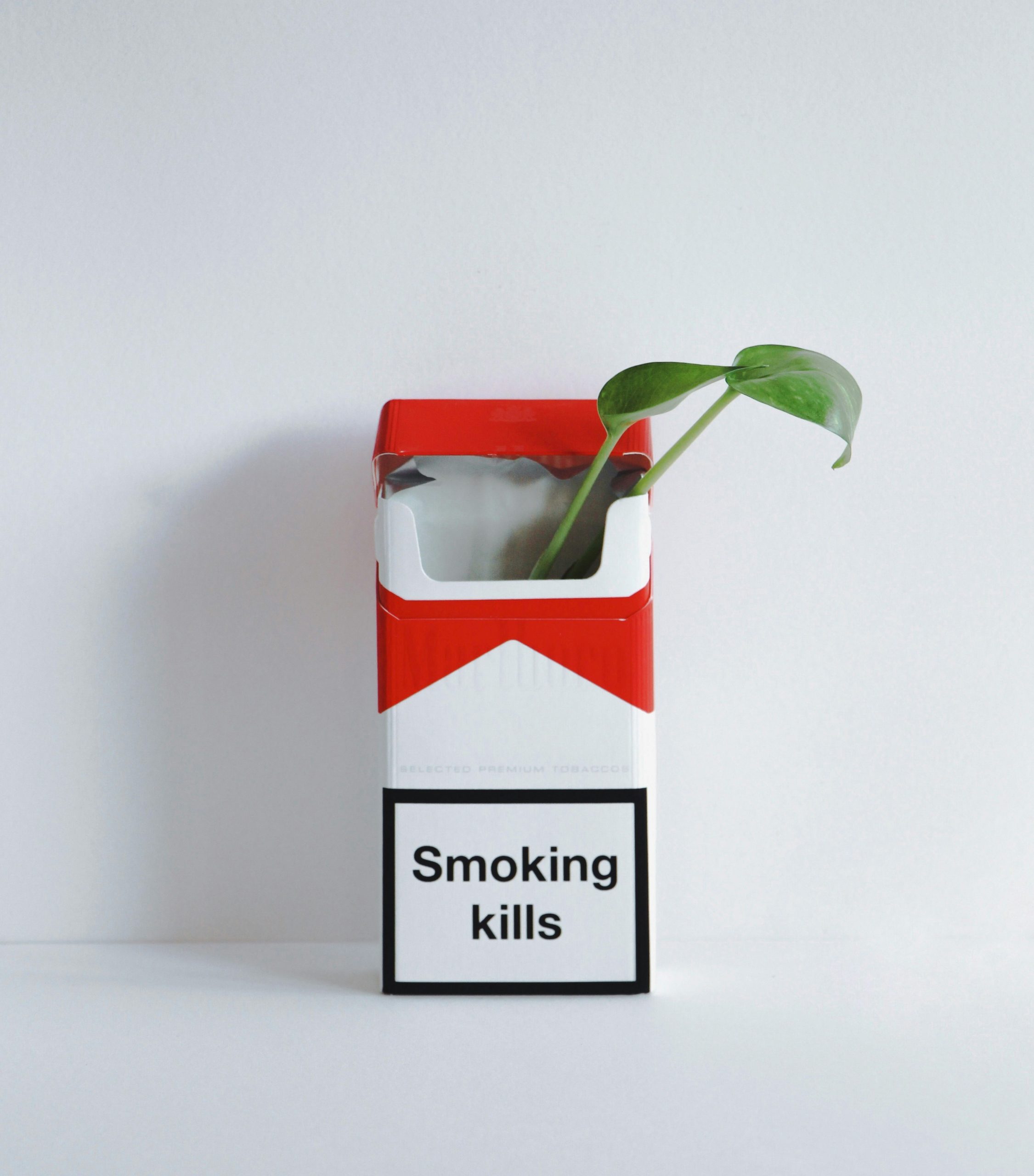
Tobacco use, including cigarettes, cigars, pipes, and smokeless tobacco, poses significant health risks, leading to numerous diseases and premature death.
This comprehensive guide explores the dangers of tobacco and provides effective strategies for quitting, empowering you to live a smoke-free life.
The Dangers of Tobacco: A Health Crisis
Tobacco contains over 70 known cancer-causing chemicals and countless other toxins.
The consequences of tobacco use are far-reaching and devastating:
- Cancer: Tobacco use is a leading cause of lung cancer, but it also significantly increases the risk of cancers of the mouth, throat, esophagus, bladder, kidney, pancreas, stomach, cervix, and leukemia.
- Cardiovascular Disease: Smoking damages blood vessels, increases blood pressure, and accelerates the buildup of plaque in arteries, leading to heart attacks, strokes, and peripheral artery disease.
- Respiratory Diseases: Tobacco smoke irritates and inflames the lungs, leading to chronic bronchitis, emphysema, and chronic obstructive pulmonary disease (COPD).
- Other Health Problems: Tobacco use is linked to numerous other health problems, including weakened immune systems, type 2 diabetes, infertility, erectile dysfunction, and increased risk of complications during pregnancy.
Understanding Nicotine Addiction: The Grip of Tobacco
Nicotine, the highly addictive substance in tobacco, alters brain chemistry, leading to physical and psychological dependence.
Quitting can be challenging due to withdrawal symptoms such as irritability, anxiety, difficulty concentrating, and cravings.
Strategies for Quitting: A Personalized Approach
Quitting tobacco is a personal journey, and success often requires a multifaceted approach:
- Set a Quit Date: Choosing a specific date to quit helps establish a clear goal and allows for preparation.
- Create a Quit Plan: Identify triggers, develop coping mechanisms for cravings, and enlist support from friends, family, or a support group.
- Nicotine Replacement Therapy (NRT): NRT products like patches, gum, lozenges, inhalers, and nasal sprays can help manage withdrawal symptoms. Consult your doctor to determine the best option for you.
- Medication: Prescription medications can assist with nicotine cravings and withdrawal symptoms. Your doctor can assess your needs and recommend appropriate medication.
- Counseling and Support Groups: Professional counseling and support groups provide guidance, encouragement, and strategies for overcoming challenges during the quitting process.
- Lifestyle Changes: Adopting healthy lifestyle changes, such as regular exercise, stress management techniques, and a balanced diet, can aid in the quitting process.
Maintaining a Smoke-Free Life: Long-Term Success
Quitting is a process, not an event. Relapses are common, but they don’t signify failure. Learn from setbacks and continue striving for a smoke-free life.
Regular follow-up appointments with your doctor or counselor can provide ongoing support and guidance.
Embracing a Healthier Future
Quitting tobacco is one of the best things you can do for your health. The benefits are numerous and long-lasting, improving your quality of life and significantly increasing your life expectancy.
Seek support, develop a personalized quit plan, and celebrate your progress along the way.
DISCLAIMER
This article provides general information and does not constitute medical advice. Consult your healthcare provider for personalized recommendations. If symptoms persist, consult your doctor.
Photo by Elnaz Asadi on Unsplash