

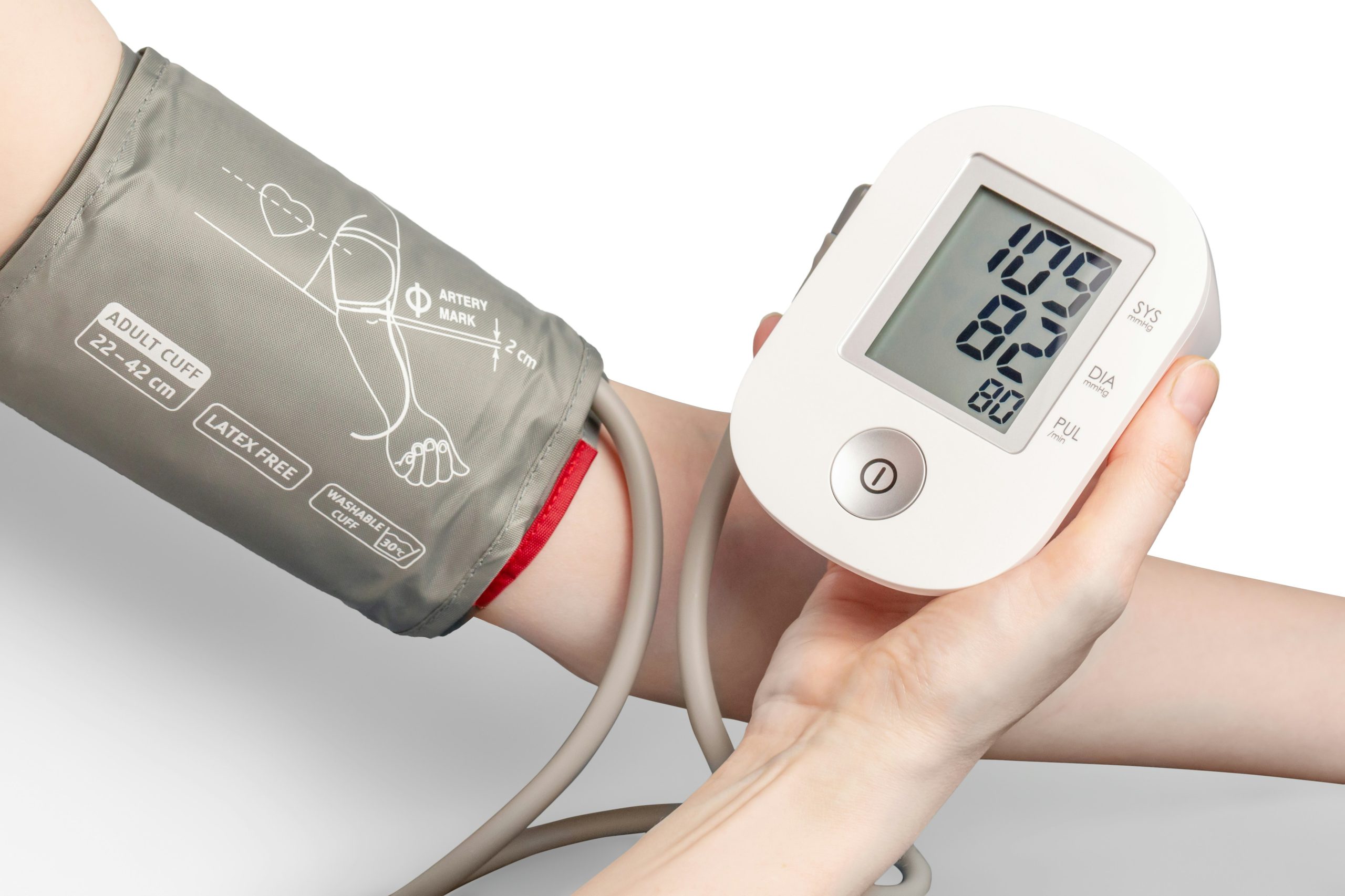
Hypertension, or high blood pressure, is a silent killer affecting millions worldwide. Often asymptomatic in its early stages, it significantly increases the risk of heart disease, stroke, kidney failure, and other serious health problems.
This comprehensive guide will delve into the intricacies of hypertension, exploring its causes, risk factors, management strategies, and the importance of proactive heart health.
What is Hypertension (High Blood Pressure)?
High blood pressure occurs when the force of your blood against your artery walls is consistently too high. This constant pressure strains your blood vessels and heart, increasing the risk of various health complications.
Blood pressure is measured in millimeters of mercury (mmHg) and expressed as two numbers: systolic (the top number) and diastolic (the bottom number). Hypertension is generally diagnosed when blood pressure consistently reads 140/90 mmHg or higher.
Understanding the Causes and Risk Factors
While the exact cause of hypertension is often unknown (primary or essential hypertension), several factors can contribute to its development:
- Genetics: Family history of high blood pressure increases your risk.
- Age: Blood pressure tends to rise with age.
- Lifestyle Factors: Poor diet (high sodium, saturated fats), lack of physical activity, obesity, excessive alcohol consumption, and smoking significantly elevate blood pressure.
- Underlying Medical Conditions: Kidney disease, sleep apnea, and certain endocrine disorders can contribute to hypertension.
- Stress: Chronic stress can elevate blood pressure.
Managing Your Risk: Proactive Steps for Prevention
Many risk factors for hypertension are modifiable through lifestyle changes:
- Diet: Adopt a heart-healthy diet rich in fruits, vegetables, whole grains, and lean proteins. Reduce sodium intake significantly. The DASH (Dietary Approaches to Stop Hypertension) diet is highly recommended.
- Exercise: Engage in regular physical activity, aiming for at least 150 minutes of moderate-intensity aerobic exercise per week.
- Weight Management: Maintain a healthy weight through diet and exercise. Even modest weight loss can significantly lower blood pressure.
- Limit Alcohol: If you drink alcohol, do so in moderation.
- Quit Smoking: Smoking damages blood vessels and increases blood pressure.
- Stress Management: Practice stress-reducing techniques like yoga, meditation, or deep breathing exercises.
Diagnosis and Treatment of Hypertension
Diagnosis involves regular blood pressure monitoring. Your doctor may recommend lifestyle modifications initially. If lifestyle changes aren’t enough to control blood pressure, medication may be necessary.
Common medications include:
- Diuretics: Help your body get rid of excess salt and water.
- ACE inhibitors: Relax blood vessels.
- Angiotensin II receptor blockers (ARBs): Similar to ACE inhibitors.
- Beta-blockers: Slow your heart rate and relax blood vessels.
- Calcium channel blockers: Relax blood vessels.
Protecting Your Heart Health: Long-Term Management
Managing hypertension is a lifelong commitment. Regular monitoring, adherence to prescribed medication (if necessary), and consistent lifestyle modifications are crucial for preventing complications.
Regular checkups with your doctor are essential for monitoring blood pressure and adjusting treatment as needed.
Taking Control of Your Blood Pressure
High blood pressure is a serious condition, but with proactive lifestyle changes and appropriate medical management, you can significantly reduce your risk and protect your heart health.
Regular blood pressure checks, a healthy lifestyle, and open communication with your healthcare provider are key to maintaining optimal cardiovascular well-being.
DISCLAIMER
This article provides general information and does not constitute medical advice. Consult your healthcare provider for personalized recommendations. If symptoms persist, consult your doctor.
Photo by Mockup Graphics on Unsplash