

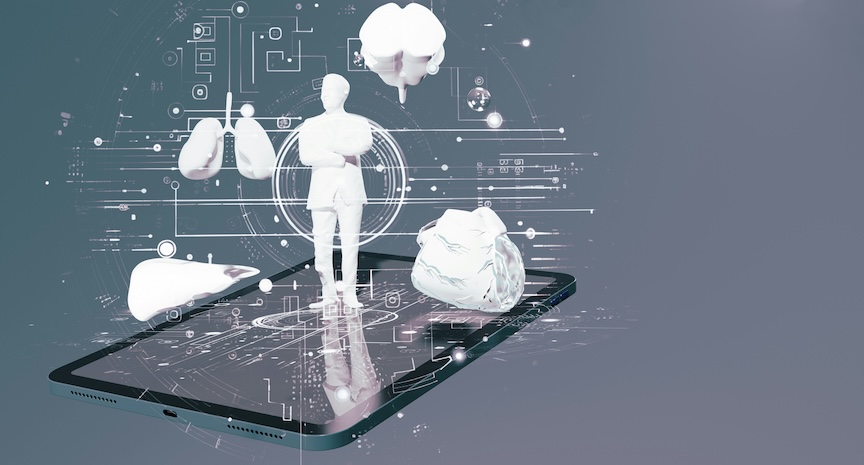
Digitalization has become the heartbeat of today. The pandemic pushed our social lives online and turned homes into offices, proving that nearly every part of daily living now runs on data. Even our most personal details—our identities, habits, and health—have entered the digital realm through Electronic Health Records, redefining how care is delivered and how our information exists in the modern world.
In the Philippines, this shift became even more visible after the pandemic accelerated the use of telemedicine, online consultations, hospital apps, and digital laboratory results. What once lived in folders and filing cabinets can now be accessed with a few clicks.
For many patients, that convenience feels long overdue. Still, it also raises an important question: What happens to our health data once it becomes digital?
Digitalization and its impact on healthcare
As technology continues to develop, our daily lives continue to adapt alongside it. A few decades ago, communicating with a friend from far away would have been costly and inconvenient. Today, we can contact people instantly from devices we carry in our pockets.
Healthcare institutions have undergone a similar transformation. Hospitals and clinics are gradually transitioning from physical patient files to Electronic Health Records, or EHRs, allowing medical information to be stored and managed digitally.
On paper, Electronic Health Records improve efficiency and quality of care. However, they also raise critical questions about data privacy, ownership, and security, especially in an age where personal information has become increasingly valuable.
EXPLORE: Digital Health Records, PhilHealth, and Your Right to Privacy: What Filipinos Need to Know
What are Electronic Health Records?
Electronic Health Records are computer-based systems used to document and manage patient care. They contain digital health information about a patient and the healthcare services provided to them.
These records may include:
- demographics,
- medical history,
- diagnoses,
- medications,
- laboratory results,
- treatment plans,
- allergies,
- radiology images,
- prescriptions,
- and insurance or billing information.
The key feature of Electronic Health Records is accessibility. Authorized healthcare professionals can retrieve patient information electronically, allowing for faster coordination and potentially more efficient care.
Today, some hospitals also integrate patient portals that allow individuals to:
- view their laboratory results,
- schedule appointments,
- communicate with doctors,
- and monitor parts of their own healthcare journey remotely.
Benefits of Electronic Health Records
Hospitals that implement Electronic Health Records often experience improvements in efficiency and patient management.
Because patient information becomes easier to retrieve, healthcare providers spend less time searching through paperwork or repeatedly asking patients about their medical history. This can be especially important during emergencies, where quick access to accurate information may help guide treatment decisions faster.
Digital records can also reduce repetitive administrative tasks and lessen the possibility of human error. Over time, well-managed systems may lower operational costs by reducing physical paperwork and streamlining workflows.
On the patient side, digital healthcare can feel more empowering. Many people appreciate being able to access their own health information online, as well as communicate with their own healthcare providers without carrying folders of medical records from one clinic to another.
This shift became even more important after the rise of telemedicine during the pandemic, when many Filipinos began consulting doctors remotely through digital platforms such as KonsultaMD, mWell, and hospital-based online services.
Meanwhile, hospitals worldwide are increasingly exploring artificial intelligence-assisted diagnostics, where AI tools help analyze scans, detect abnormalities, and support doctors in identifying disease earlier. While these technologies are still evolving, they show how deeply healthcare and technology are becoming interconnected.
Concerns about Electronic Health Records
Despite the convenience they offer, Electronic Health Records also come with risks and challenges.
Costly implementation
Implementing Electronic Health Record systems can be expensive, especially for smaller clinics and healthcare institutions. Software, hardware, cybersecurity systems, maintenance, and employee training all require major investment.
This creates a difficult gap where larger hospitals may modernize more quickly while smaller providers struggle to keep pace.
Storage limitations
Digital systems reduce physical storage needs, but they still require secure and scalable infrastructure. Data may be stored physically on servers or through cloud-based systems.
Cloud storage is often more affordable and flexible, but it may also increase concerns over cybersecurity and data breaches if systems are not adequately protected.
Interoperability issues
Not all hospitals and clinics use the same software systems. Because of this, patient records may not always transfer smoothly between healthcare providers.
In emergency situations, delays in accessing medical information can affect patient care and create frustration for both patients and healthcare workers.
Legal and privacy concerns
In the Philippines, the Data Privacy Act of 2012 classifies health information as sensitive personal information that must be carefully protected.
Healthcare institutions are legally required to secure patient data and ensure it is collected, handled, and stored responsibly. Violations involving medical information can damage not only institutions, but also patient trust.
Data breach risks
Like all digital information, health data is vulnerable to cyberattacks and unauthorized access.
Medical information is valuable because it contains deeply personal details about people’s lives and conditions. In recent years, hospitals worldwide have increasingly become targets of ransomware attacks and data breaches.
This is why stronger cybersecurity systems are no longer optional for modern healthcare institutions. Protecting patient information is now part of protecting patient care itself.
How should we move forward?
Electronic Health Records represent two things at once: progress and responsibility.
They reflect progress in how technology continues to improve communication, efficiency, and healthcare delivery. At the same time, they represent a growing responsibility for institutions to protect the personal information entrusted to them.
Hospitals and clinics should continue adopting technologies that improve patient care and accessibility. However, healthcare providers must also remain transparent about how patient data is collected, stored, and protected.
Patients, meanwhile, should also become more aware of their digital rights and understand how their medical information is being handled.
In the age of digital healthcare, trust may become just as important as technology itself. Because while healthcare systems continue becoming smarter and faster, patients still want one very human thing: the assurance that their information, and their well-being, remain safe in the hands caring for them. Trust is the new currency, protecting personal data is essential to keeping that trust healthy.
galina-nelyubova-HM50XLVMrg4-unsplash.jpg
References
- Republic Act No. 10173 — Data Privacy Act of 2012
- Department of Health Philippines — Philippine eHealth Strategic Framework and Plan
- World Health Organization — Global Strategy on Digital Health 2020–2025
- World Health Organization — Digital Health Overview
- Healthcare Information and Management Systems Society (HIMSS) — Electronic Health Records
- Johns Hopkins Medicine — Electronic Health Records Explained
- Mayo Clinic — Benefits and Risks of Electronic Health Records
- mWell Philippines
- KonsultaMD Philippines
- National Privacy Commission Philippines
- “Health Information Technology and Electronic Health Records in Neurologic Practice”
- “Electronic Health Records and Their Benefits”
- “Electronic Health Records Explained”