

When we think of patient safety, the mind often goes to sterile wards, gloved hands, and high-tech machines inside a hospital. But the truth is, safety begins long before one sets foot in an emergency room.
It starts at home—around the dining table, by the bathroom sink, even in the quiet rituals passed down from parents to children.
For Dr. Rowena Javier-Maglaqui, a Filipina nephrologist who has built a remarkable career in the United States, the lessons began in her childhood home in the Philippines.
“I remember my parents and aunts constantly reminding us how important sleep is to one’s health. Taking a nap after lunch was non-negotiable. The adults always checked doors and windows before bed. These small habits were our first lessons in health and safety.”
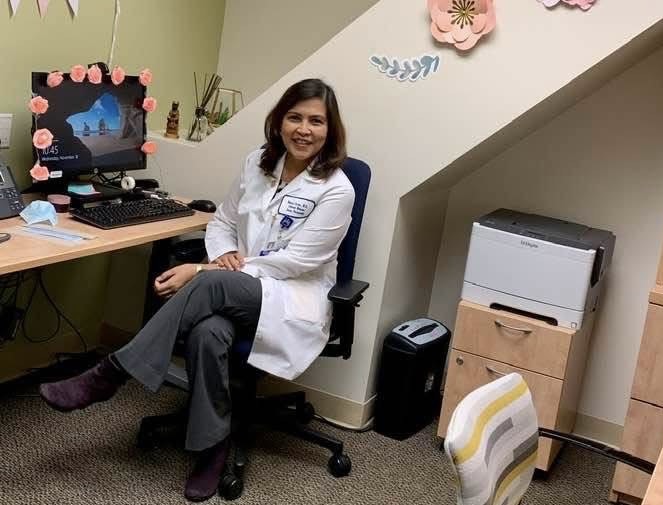
Dr. Javier-Maglaqui, a graduate of the University of Santo Tomas Faculty of Medicine and Surgery and now a board-certified internist with over 20 years of practice in the US, embodies the marriage of Filipino tradition and modern medical expertise.
Her journey — from Manila to California, from a child reminded to take afternoon naps to an award-winning physician leading clinics at Kaiser Permanente — illustrates how everyday discipline in health is both cultural inheritance and professional creed.
The Filipino Context: Strengths and Struggles
Ask her about Filipino households today, and she sees both promise and peril.
On the positive side, Filipinos take pride in grooming and hygiene, often showering daily in a tropical climate that demands it. This instinctive self-care, she says, is “vital to prevent the spread of diseases.”
But cultural pitfalls remain.
Too often, families turn to quack doctors instead of licensed professionals, losing precious time. Many wait until symptoms are “unbearable” before seeking help.
Safety practices like using helmets, seatbelts, or goggles are inconsistently observed. And the habit of self-medicating — or saving leftover antibiotics — remains dangerously common.
“An ounce of prevention is worth a pound of cure,” Dr. Javier-Maglaqui insists. “We must break free from practices that delay care and worsen outcomes.”
A MEDICAL RECORD IS HELPFUL TO EVERY PATIENT. HERE’S ONE FOR YOU.
The Nephrologist’s Lens: What She Sees Every Day
As a kidney specialist, Dr. Javier-Maglaqui is no stranger to the long shadow of preventable illness.
Many of her patients suffer from end-stage kidney disease due to uncontrolled diabetes and hypertension — conditions that could have been managed with consistent medication and lifestyle changes.
Others land in the hospital with pneumonia, a complication that might have been avoided with timely vaccination.
What troubles her most are the simple, overlooked habits:
- Skipping proper handwashing
- Ignoring prescriptions or doubling doses
- Failing to seek help early for mental health struggles
Each lapse, seemingly small, can spiral into complications that no hospital can easily undo.
READ: The Digital Prescription — AI, Apps, and Tools Shaping Smarter Healthcare
Safety Is a Shared Responsibility
For Dr. Javier-Maglaqui, patient safety is not the sole burden of doctors or hospitals.
“Safety is a shared responsibility, and it should start at home,” she explains. “The family or household is the main determinant of health, not the physician or the medical facility.”
It is a reminder that ordinary spaces—the kitchen where food is prepared, the bathroom where hands are washed, the conversations around the dinner table—are the real battlegrounds of prevention.
Her top three habits for every Filipino household are deceptively simple:
- Frequent and proper handwashing. The cheapest, most powerful protection.
- Preventive care at local health centers. Vaccinations, especially for children, the elderly, and pregnant women.
- Regular emotional check-ins. Parents with children, siblings with siblings. “Because,” she warns, “we are facing a mental health epidemic among the young.”
READ: Hospitals of the Future — Innovation and Compassion Beyond Walls and Wards
Between Two Worlds: The US and the Philippines
Practicing abroad has sharpened Dr. Javier-Maglaqui’s perspective.
In the United States, insurance coverage makes preventive care — cancer screening, vaccines, medications — more accessible. “With insurance, these services are often free or affordable. That changes the whole culture of care,” she notes.
In the Philippines, by contrast, the out-of-pocket burden can make even basic care feel like a luxury.
Yet Dr. Javier-Maglaqui is quick to emphasize that many of the most life-saving practices cost little or nothing: washing hands, getting enough rest, seeking medical advice early.
Why Observe World Patient Safety Day
On September 17, the world observes World Patient Safety Day, a reminder that health is not just the concern of hospitals but the shared duty of families, communities, and nations.
For ordinary people, Dr. Javier-Maglaqui believes, the message is clear: “Health and safety should be everyone’s responsibility.”
It is not only about avoiding errors in the hospital, but about weaving safety into the fabric of daily life.
A Filipino Doctor’s Message Home
Despite decades abroad and numerous accolades — including the Garfield Gold Distinction Award for Medical Office Excellence — her voice carries the cadence of a Pinay who has not forgotten her roots.
“Take advantage of what is available to you,” she urges Filipino families.
“Your local health centers offer free vaccines, education, preventive care. Build habits that protect your family: wash your hands, eat healthier, exercise. These are small acts, but they guard against suffering.”
And perhaps her most poignant reminder is this: the real guardians of patient safety are not machines or doctors in white coats, but the people who share our homes and lives.
Safety — like wellness — is protecting joy, preserving dignity, and passing on to the next generation the wisdom that health, like love, begins at home.
DISCLAIMER
This article provides general information and does not constitute medical advice. Consult your healthcare provider for personalized recommendations. If symptoms persist, consult your doctor.