
Movement, mountain air, and why love month should end with a stronger pulse
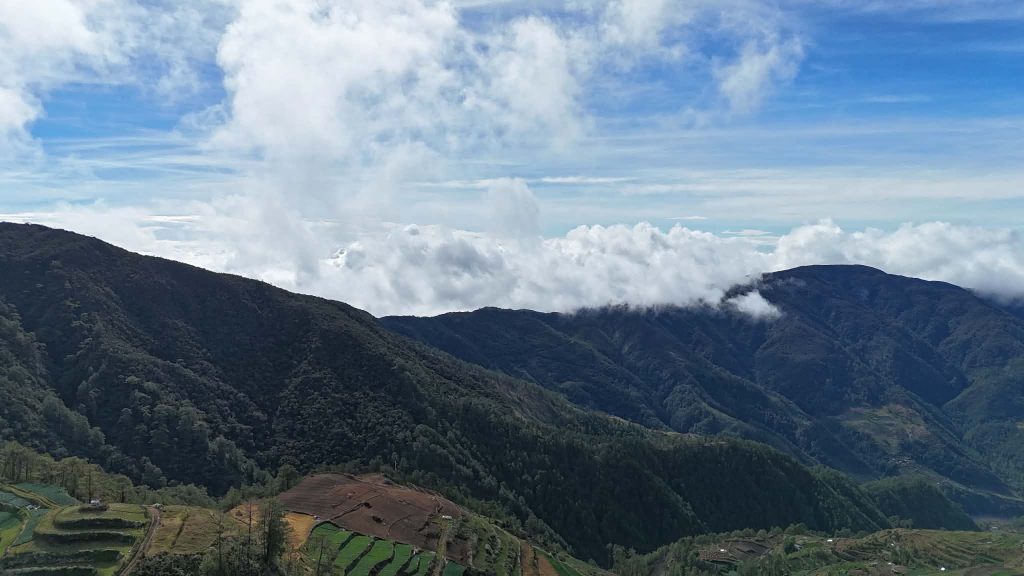
By the time we stepped out in Babadak at two in the afternoon, the clouds had already lowered themselves over the mountains like a soft curtain call. A light rain fell on tin roofs and trekking poles. My friends, preparing for their ascent of Mount Pulag, organized their packs, had their loads weighed, and listened closely to their assigned guides.
It was not my first time in Babadak. I have been climbing Pulag for more than a decade. But this was the first time I stayed simply to observe — to watch how this small mountain community breathes.
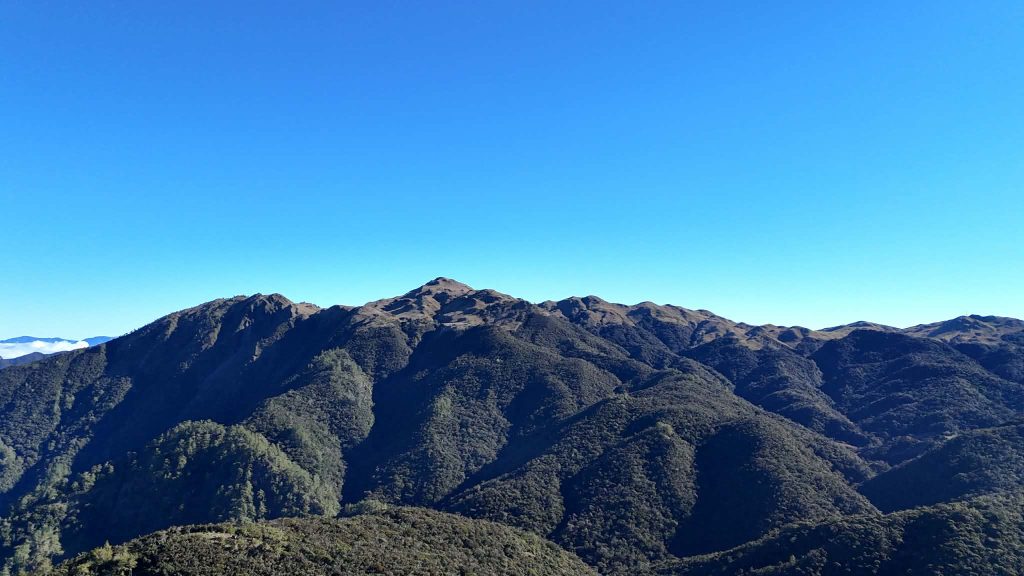
At the foot of the third-highest peak in the Philippines, Babadak is more than a jump-off point. It is a threshold. A place where city lungs meet mountain air. Where people who barely move beyond office desks prepare to walk for hours before dawn. Where strangers, layered in fleece and anticipation, gather to chase the famous “sea of clouds.”
As February closes — heart health month, love month — it feels fitting to ask: What does it mean to love our hearts? And what can a mountain teach us about longevity?
The Climb as Cardiovascular Medicine
The typical Ambangeg trail itinerary begins with a two-hour orientation at the DENR office in Bokod, then a 30-minute ride to Babadak. Climbers check into homestays, eat early, and begin the summit assault at 1:00 a.m., reaching the peak before sunrise.
On weekdays, some may stay at Camp 2 and ascend at around 4:00 a.m. The cold air sharpens the senses. Breath becomes visible. Each step becomes deliberate.
From a wellness perspective, hiking Mount Pulag is not simply leisure. It is sustained aerobic exertion.
According to the World Health Organization, regular physical activity improves cardiometabolic health, strengthens bones, reduces body fat, and lowers the risk of cardiovascular disease mortality. Brisk uphill walking — especially over uneven terrain — challenges the heart, lungs, and muscles in ways that treadmill routines rarely replicate.
Unlike short bursts of gym exercise, mountain hiking demands endurance. It elevates heart rate steadily and recruits stabilizing muscles. It enhances oxygen utilization. And it trains the cardiovascular system to adapt to effort.
In simpler terms: the heart becomes more efficient.
Heart disease remains one of the leading causes of death globally and in the Philippines. Hypertension, sedentary habits, and metabolic disorders accumulate quietly over decades. Yet the prescription is deceptively simple: move more.
A mountain does not just offer scenery. It offers resistance. And resistance, when embraced safely, strengthens the heart.
Nature as Stress Therapy
Beyond physical exertion, something subtler happens in Babadak.
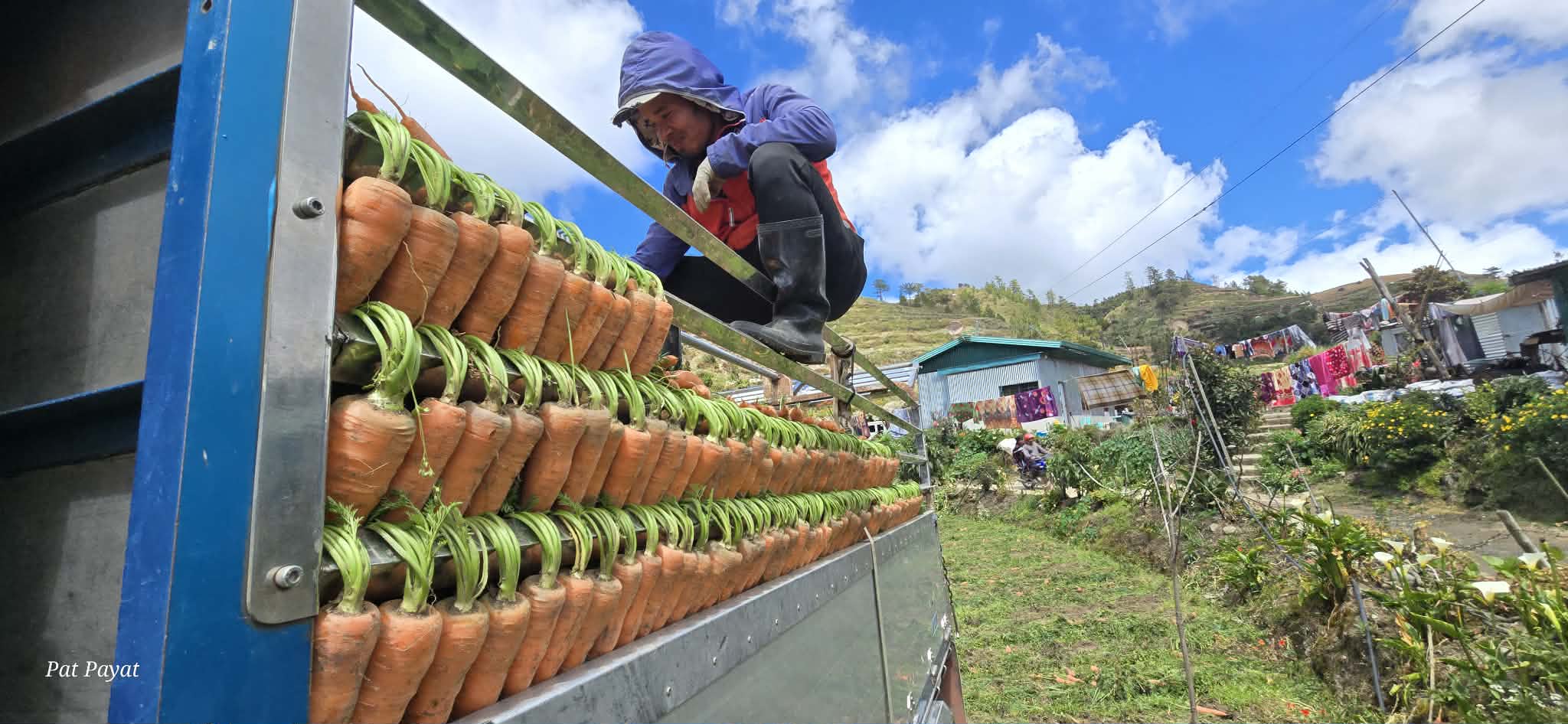
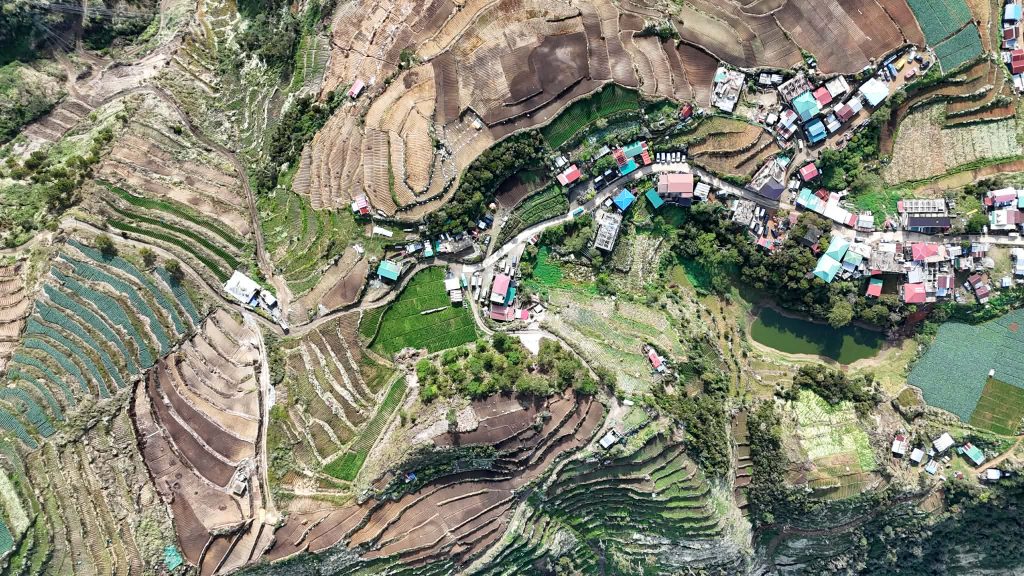
The town has evolved to support climbers — homestays with bunk beds, kitchens bustling with coordinators preparing warm meals, small eateries grilling corn smothered in margarine. Tents and trekking poles are rented. Jackets and gloves are sold. Even piso-wifi machines blink in corners, offering a few minutes of connectivity before signal fades higher up.
But once the climb begins, screens dim. Conversations soften. Breath becomes the metronome.
Exposure to natural environments has been associated in scientific literature with reduced stress markers, lower blood pressure, and improved mood regulation. Time in green spaces can lower cortisol levels and calm the nervous system. For many hikers, the climb becomes both cardiovascular training and emotional recalibration.
In heart health month, we often speak of cholesterol and blood pressure. Less often do we speak of awe.
Yet awe — the feeling of smallness beneath a sky full of stars or a sunrise breaking over clouds — quiets the mind. And a quieter mind reduces chronic stress, which itself is a cardiovascular risk factor.
At 2:00 a.m., beginning the ascent under a canopy of cold darkness, love feels less like romance and more like gratitude: for strong legs, for functioning lungs, for companions who match your pace.
Community as a Protective Factor
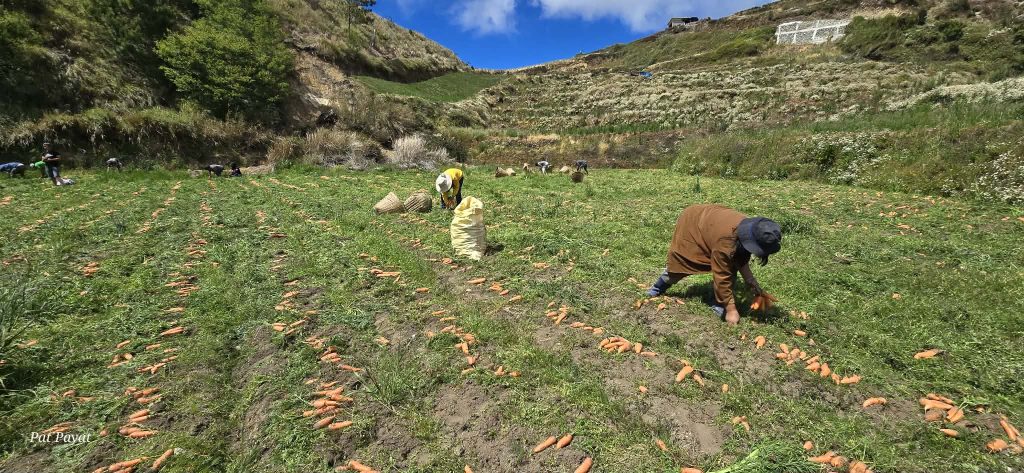
Babadak is a melting pot. During climbing season, it fills with students, professionals, families, seasoned mountaineers, and first-timers. Guides and porters — many of them locals — lead with quiet expertise.
This mingling is not incidental to wellness.
Research consistently shows that social connection supports both mental and cardiovascular health. Belonging to a community that encourages physical activity increases adherence and enjoyment. Movement shared is movement sustained.
Climbing with companions also improves safety. Before any hike, basic precautions matter:
- Plan the hike with a companion.
- Choose a trail appropriate for your fitness level.
- Consult a physician if you have medical conditions.
- Learn basic first aid and inform an emergency contact of your itinerary.
Heart health requires proper caution.
READ: Heart Health Beyond Cholesterol: Sleep, Stress, and Social Connection
Why February Is a Turning Point
By February, many New Year’s fitness resolutions have faded. Schedules tighten. Motivation thins.
Yet perhaps February — at the close of love month — is the better time to begin.
Because love is not declared once a year. It is practiced daily.
To love your heart means:
- Choosing movement even when it is inconvenient.
- Seeking sunlight and open air.
- Walking uphill — literally or metaphorically — when it would be easier to remain still.
Maybe many will consider a climb to Mount Pulag in the days ahead. The question is should we engage in sustained physical activity in spaces that nourish us.
Do we have walking paths in our neighborhoods?
Is there access to parks or hiking trails?
Do we belong to communities that celebrate movement rather than inertia?
These are longevity questions.
The Sea of Clouds and the Pulse of the Heart
When hikers reach the summit of Mount Pulag, they are often greeted by a vast expanse of clouds below — a “sea” stretching beyond the horizon. Cameras rise. Silence falls.
But the real miracle is quieter: a heart that has worked steadily through the night, pumping oxygen to muscles and brain, adjusting to altitude and cold.
The summit is photogenic. The climb is transformative.
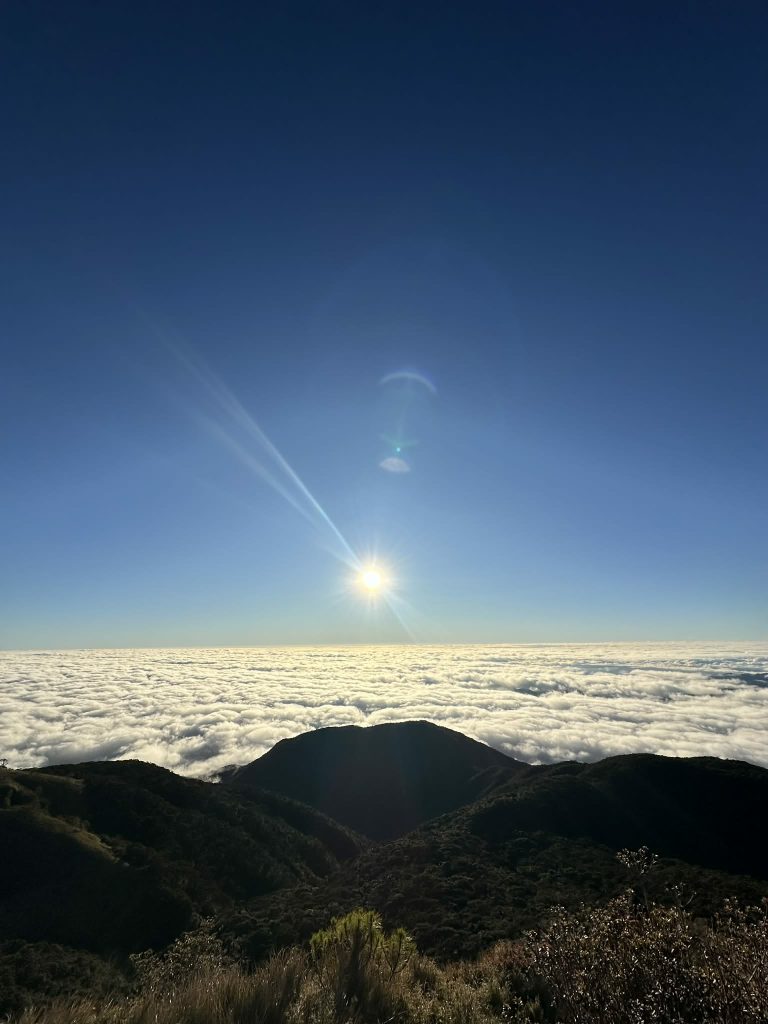
As we step out of February — heart health month, love month — perhaps the invitation is simple: love the organ that loves you back every second.
Move.
Climb.
Breathe deeply.
Stand beneath something vast enough to remind you that your heart was designed for effort.
At the foot of Mount Pulag, in a small town called Babadak, the lesson is clear. Longevity is woven in footsteps, stitched in cold dawn air, in shared exertion, and in the decision to keep going upward.
Photos courtesy of Patrick Aquino