

Respiratory viruses trend. Elections trend. Diet hacks trend. But your health does not trend — it accumulates.
Long before symptoms appear, health is shaped by small decisions: what you eat, how you sleep, whether you move, whether you check your blood pressure, whether you know your numbers.
The World Health Organization estimates that many leading causes of death — heart disease, stroke, diabetes, some cancers — are largely preventable through lifestyle changes and early detection. Prevention is not glamorous. It is steady, informed, and personal.
And it begins with one question:
Do you actually know where you stand?
Step 1: Know Your Baseline
You cannot improve what you do not measure.
At minimum, adults should know:
- Blood pressure
- Fasting blood sugar
- Lipid profile (cholesterol levels)
- Body mass index (BMI) or waist circumference
- Family history of major illnesses
If you are over 40 — or younger with risk factors — screening becomes even more critical. Depending on age and sex, recommended screenings may include:
- Mammogram (for women, typically starting at 40–50 depending on risk)
- Pap smear / HPV screening
- Colon cancer screening (usually starting at 45)
- Prostate screening discussion (for men over 50, earlier if high risk)
- Annual physical exam
- Dental checkups
- Eye exam
- Mental health check-ins
The goal is familiarity. Early detection saves lives because it shifts disease from crisis to management.
DISCOVER: Simple Screenings That Matter: Can Digital Health Help Close the Gap?
Step 2: Strengthen the Foundations
Research across decades is remarkably consistent. Health outcomes improve dramatically when people:
- Eat a balanced diet rich in vegetables, fiber, whole foods
- Limit ultra-processed foods and excess sugar
- Move regularly (150 minutes of moderate exercise per week)
- Sleep 7–9 hours nightly
- Avoid tobacco
- Limit alcohol
- Manage stress intentionally
These are not revolutionary ideas. They are effective because they work.
Disease prevention is not separate from nutrition. It is built on it.
READ: How Can Food Boost Health and Wellbeing?
Step 3: Protect Your Mind
Mental health is not optional. We often say on Joyful Wellness articles that chronic stress elevates cortisol, weakens immune function, and increases cardiovascular risk. Depression and anxiety affect productivity, relationships, and even physical health.
If you feel persistently low, overwhelmed, or unable to function as usual, seek professional guidance. Mental wellness is not weakness. It is maintenance.
Joyful living requires emotional literacy — knowing what you feel, and addressing it early.
EXPLORE: Unlock Your Inner Joy: How Micro-Acts Can Transform Your Wellbeing
Step 4: Use Innovation Wisely
Digital health tools, telemedicine, wearable devices, and AI diagnostics can enhance care — but they are supplements, not substitutes.
Wearables can monitor heart rate trends.
Teleconsults can increase access.
Diagnostics can detect early risk.
But no app replaces a thoughtful clinician or informed patient.
Use technology to enhance your awareness — not to outsource responsibility.
KNOW THIS: How Innovation Is Transforming Filipino Wellness
Step 5: Choose Credible Information
In an age of viral misinformation, source matters.
Trust:
- Peer-reviewed journals
- National and international health agencies
- Recognized medical institutions
- Licensed healthcare professionals
Be cautious of:
- “Miracle cures”
- One-size-fits-all advice
- Influencers without credentials
- Health fear tactics
Information is empowerment — but only when it is accurate.
JOYFUL WELLNESS IS HERE FOR YOU
Step 6: Track, Reflect, Adjust
Transformation is not one decision. It is ongoing calibration.
This is where reflection tools help. The A Better You journal was designed precisely for this: to track habits, document check-ups, reflect on emotional well-being, and set realistic goals.
Write down your numbers,
Your habits,
Your intentions.
Awareness becomes action when documented.
GET THE JOURNAL NOW: A BETTER YOU (YOUR JOURNEY TO JOYFUL WELLNESS)
A Weekend Beginning
Health and wellness do not demand perfection.
They require participation.
Ask yourself today:
- When was my last check-up?
- Do I know my numbers?
- Am I sleeping well?
- Am I moving enough?
- Am I managing stress or merely surviving it?
This weekend can be a beginning. Not dramatic. Not overwhelming.
Just informed.
Because empowerment is not loud. It is steady.
And Joyful Wellness exists for exactly this purpose — to be a reliable companion in your journey toward vitality, longevity, and joy.
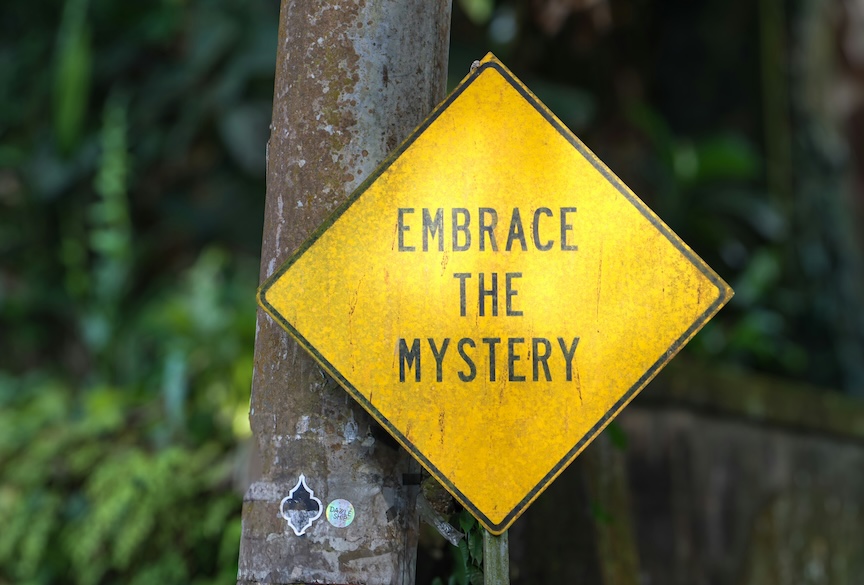
Photo by Annie Spratt on Unsplash
References:
- World Health Organization – Noncommunicable Disease Prevention Guidelines
- Centers for Disease Control and Prevention – Adult Preventive Care Recommendations
- American Heart Association – Lifestyle and Cardiovascular Prevention
- U.S. Preventive Services Task Force – Screening Guidelines
- Philippine Department of Health – National Health Programs and Screening Initiatives