Editor’s Note
World Cancer Day invites us to pause—not to be afraid, but to be informed, compassionate, and present. This piece reflects Joyful Wellness’ belief that awareness is not about expecting the worst, but about caring better: for ourselves, for those we love, and for the communities we belong to. May it encourage thoughtful conversations, early action, and quiet courage—today and every day.
— Joyful Melody
Cancer is a word that can still quiet a room.
It carries decades of fear, loss, uncertainty, and unanswered questions. It has disrupted families, altered life plans, and forced conversations no one feels ready to have. And yet, alongside that fear lives something else—courage. Not the loud kind, but the steady, everyday bravery of people who show up, seek care, ask questions, and keep living.
On World Cancer Day, the conversation around cancer is often framed around statistics and breakthroughs. These matter. But equally important is how we live with the idea of cancer—how we understand it, prepare for it, and respond to it as individuals, families, and communities.
At Joyful Wellness, we believe that reframing cancer is not about denying its seriousness. It is about restoring balance to a conversation long dominated by fear.
From Fear to Understanding
Cancer is not one disease. It is a broad group of conditions influenced by genetics, environment, lifestyle, and access to care. Advances in research over the last few decades have transformed how many cancers are detected, treated, and managed—turning some into chronic conditions rather than immediate life sentences.
Early detection, targeted therapies, immunotherapy, and improved supportive care have changed outcomes for millions. Yet fear persists, often because many people still encounter cancer only at advanced stages.
This is where awareness matters—not as alarm, but as clarity.
READ: Simple Screenings That Matter: Can Digital Health Help Close the Gap?
Awareness Is Not Anxiety
Preventive care and early screening are among the most effective tools in reducing cancer mortality. And yet, many people delay checkups because they fear what they might find.
This is understandable. But awareness does not create disease—it creates choice.
Knowing risk factors, understanding family history, and showing up for recommended screenings allow people to act earlier, when options are wider and outcomes are better. Awareness gives people back a sense of control in a situation that often feels uncontrollable.
The Quiet Strength of Prevention
Prevention does not promise certainty. What it offers is respect for the body and foresight for the future.
Lifestyle choices—nutrition, movement, sleep, stress management, and avoiding known carcinogens—do not guarantee immunity. But they lower risk, support resilience, and improve overall health, whether or not cancer ever enters the picture.
Just as importantly, prevention includes emotional health. Chronic stress, isolation, and untreated mental health concerns affect immune function and overall well-being. Cancer care today increasingly recognizes the role of psychological support, social connection, and quality of life alongside medical treatment.
READ: Seven Key Strategies for Cancer Prevention: A Guide to Reducing Your Risk
Stories of Courage We Don’t Always See
Not all bravery looks the same.
It looks like a parent going for a screening despite fear.
It looks like a patient asking a second question.
It looks like a caregiver learning to rest.
It looks like survivors redefining what “normal” means.
Cancer has inspired scientists to innovate, healthcare workers to persist, advocates to speak up, and communities to rally. These stories don’t erase pain—but they remind us that humanity responds to challenge with ingenuity and compassion.
A More Human Way Forward
World Cancer Day invites us to look beyond the disease and toward the systems around it—access to care, education, stigma, and support. It asks us to consider how we can create environments where early detection is normal, conversations are open, and no one feels alone navigating uncertainty.
At Joyful Wellness, we see cancer not just as a medical challenge, but as a call to care better—for ourselves, for each other, and for the future.
Fear may be the first emotion cancer evokes. But it does not have to be the last.
THIS IS HELPFUL: Lower Your Cancer Risk Today: Simple Steps to Take
Joyful Wellness reflection:
Awareness is not about expecting the worst. It is about being prepared, informed, and supported—whatever comes.
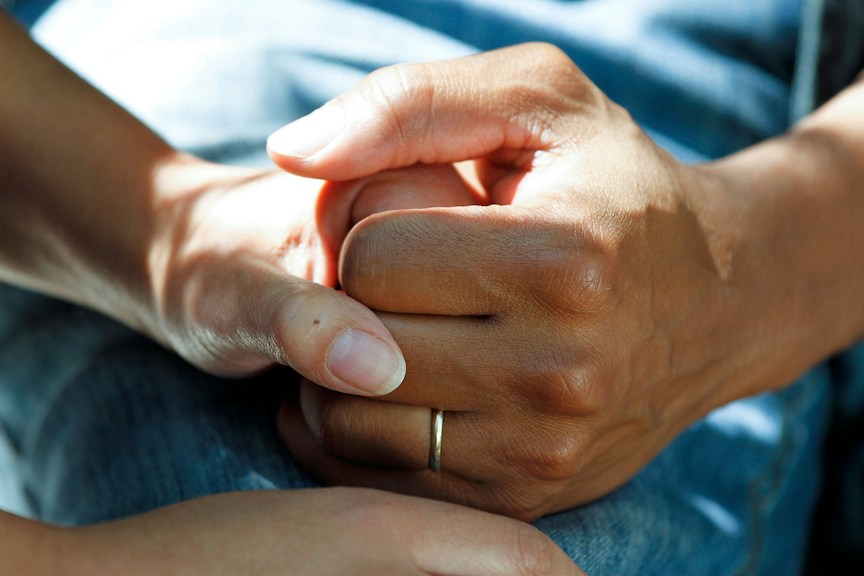
Photo by National Cancer Institute on Unsplash
WORLD CANCER DAY — AT A GLANCE
One global day. One shared purpose.
World Cancer Day (February 4) is a global movement that brings people together to reduce the impact of cancer—through awareness, early detection, better care, and compassionate support.
Led by the Union for International Cancer Control (UICC) with the World Health Organization (WHO), it encourages countries, communities, and individuals to:
- promote prevention and early screening
- support person-centered cancer care
- reduce fear, stigma, and misinformation
- ensure no one faces cancer alone
At its heart, World Cancer Day reminds us that awareness creates choice—and choice saves lives.
🇵🇭 WORLD CANCER DAY IN THE PHILIPPINES
Why it matters locally
- Cancer is among the leading causes of death in the Philippines.
- Many cases are still diagnosed at later stages, when treatment options are more limited.
- The National Integrated Cancer Control Act (NICCA) strengthens the country’s efforts in:
- early detection and screening
- patient navigation and support
- access to treatment and palliative care
Across the country, healthcare workers, advocates, survivors, and families continue to push for earlier action, better access, and more humane care.
At Joyful Wellness, World Cancer Day is a reminder that prevention, information, and compassion are part of everyday health—not just one day a year.
References
- World Health Organization (WHO). Cancer Fact Sheet and World Cancer Day Resources.
- International Agency for Research on Cancer (IARC). Global Cancer Observatory.
- National Cancer Institute (NCI). Cancer Prevention and Early Detection.
- American Cancer Society. Understanding Cancer Risk and Prevention.
- Harvard T.H. Chan School of Public Health. Lifestyle Factors and Cancer Risk.