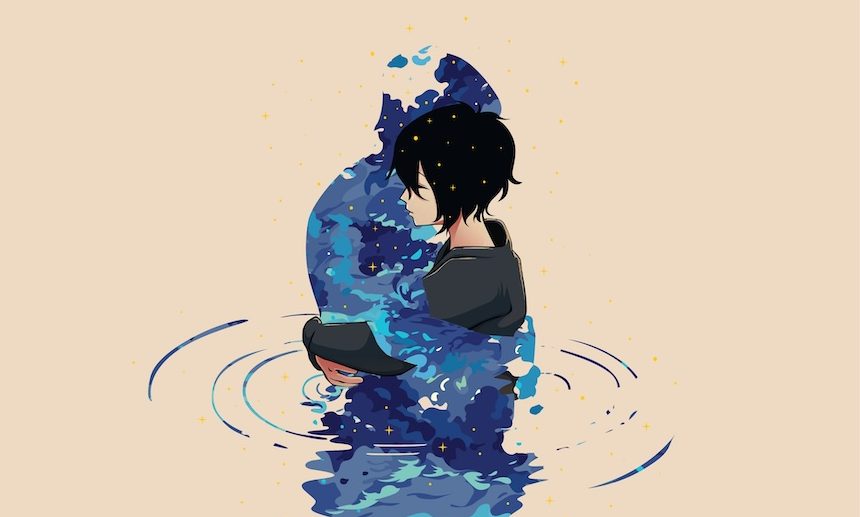


Navigating perimenopause can feel like stepping into fog: familiar landmarks (periods, moods, sleep) shift or vanish, and your body seems to run on a new map. In the fog, it’s easy to focus only on obvious symptoms like hot flashes or irregular periods—but underneath, other serious health changes may quietly be taking shape.
Here is important information on illnesses and disease risks that begin or accelerate during the perimenopause phase—and more importantly, what you can do about them.
Why Perimenopause Brings Hidden Health Risks
When your hormones begin to change, especially estrogen and progesterone, several body systems shift:
- Your cardiovascular system loses some protective effects (estrogen helped dilate blood vessels).
- Fat distribution may move toward your abdomen, increasing metabolic risk.
- Bone density starts to fall earlier, because estrogen helped keep bones strong.
- Insulin sensitivity may drop, increasing risk of type 2 diabetes or metabolic syndrome.
- Inflammation may rise, mood and sleep suffer, adding indirect strain.
In short: perimenopause isn’t just about periods. It’s a window of vulnerability. The sooner you act, the better.
1. Heart and Blood Vessel Disease (Cardiovascular Risk)
What to watch for:
- Rising blood pressure
- Higher LDL (“bad”) cholesterol, lower HDL (“good”) cholesterol
- Abdominal fat gain
- Shortness of breath or chest discomfort during mild exertion
Why it happens:
Lower estrogen = less protection for arteries, more stiffness in blood vessels, and more fat around the middle. All increase heart disease risk.
What you can do:
- Get regular checks: blood pressure, cholesterol, triglycerides.
- Move your body: at least 150 minutes moderate activity weekly (walking, cycling).
- Eat heart-healthy: oily fish, nuts, whole grains, plenty of vegetables.
- Ditch smoking and limit alcohol.
- Schedule routine screening with your doctor.
2. Bone-Health Problems: Osteopenia & Osteoporosis
What to watch for:
- Height loss (even small)
- Posture changes (slouching, forward neck)
- Fractures from minimal trauma (e.g., fall from standing)
- Back pain from collapsed vertebrae
Why it happens:
Estrogen protects bone density. When it declines, bones lose mineral faster, and your body’s bone-repair slows.
What you can do:
- Get a bone-density scan (DEXA) if your doctor recommends it.
- Ensure enough calcium (dairy, tofu, leafy greens, fish with bones).
- Get vitamin D (sun exposure + foods or supplements if needed).
- Weight-bearing exercise (walking, or light resistance training).
- Skip smoking, limit drinking.
3. Metabolic Syndrome, Type 2 Diabetes & Fat Gain
What to watch for:
- Waist circumference increasing (“my pants feel tighter”)
- Elevated fasting blood sugar
- High triglycerides, low HDL
- High blood pressure
Why it happens:
Hormone changes + aging = less efficient metabolism. Your body stores fat differently and uses insulin less effectively.
What you can do:
- Monitor waist size and fasting glucose.
- Focus on protein + fibre + healthy fats. Reduce refined carbs.
- Keep moving: muscle helps glucose uptake.
- Minimise sugary drinks and processed foods.
- Sleep well and reduce chronic stress (both raise cortisol, which harms metabolism).
4. Mental Health, Sleep & Cognitive Changes (Though Not a “Disease” in the traditional sense)
What to watch for:
- Anxiety, mood changes, memory lapses
- Insomnia or fragmented sleep
- “Brain fog” or difficulty concentrating
Why it happens:
Hormones affect neurotransmitters (serotonin, GABA), plus poor sleep and stress amplify the brain’s vulnerability.
What you can do:
- Prioritise sleep hygiene (cool room, screen-free wind-down).
- Manage stress: breathing exercises, meditation, talk therapy.
- Stimulate your brain: reading, puzzles, learning new skills.
- See a professional if mood or memory issues interfere with daily life.
5. Some Cancers—Know Your Risks and Screenings
What to watch for:
- Irregular bleeding or spotting (endometrial cancer risk)
- Family history of breast cancer, ovarian cancer
- New lumps, skin changes
Why it matters:
While perimenopause itself doesn’t cause these cancers, the shift in hormone levels and age means screening becomes more important.
What you can do:
- Keep up with recommended screenings (mammograms, pap smears, etc).
- Talk to your doctor about your family history and genetic risk.
- Avoid modifiable risks: excess alcohol, smoking, obesity.
Putting It All Together: Your Midlife Health Checklist
- Book a full health check with your doctor: blood pressure, lipid panel, fasting glucose, bone density if needed.
- Create a lifestyle plan: 30 minutes exercise/day, heart-and-bone friendly foods, good sleep.
- Adopt four habits:
- Walk or move daily
- Eat a colourful plate (half veggies, lean protein, healthy fats)
- Sleep 7+ hours, cool dark room
- Visit your doctor if anything worries you
- Mind your stress and mental health—it’s tied to your body too.
- Use screenings and tests not as scary tasks, but as empowering steps.
Final Thought
Perimenopause is a transition. It signals change. But change does not mean decline. With awareness, small steps, and care, you can protect your heart, bones, mind—even thrive in this phase.
Your midlife health isn’t something you drift through. It’s something you guide—with knowledge, habits, and the support you deserve.