

With insights from Dr. Jon Atacador, Breast Surgeon
Finishing breast cancer treatment is a huge milestone — one that deserves celebration. But recovery doesn’t end when the last surgery, chemo, or radiation session is over.
Many women experience physical and emotional changes long after treatment, and knowing what to expect helps make the journey smoother.
Dr. Jon Atacador explains the common effects of breast cancer treatment, how to manage them, and what steps can help survivors heal and thrive in their “new normal.”
Understanding Post-Treatment Recovery
“Every woman’s recovery is different,” says Dr. Atacador. “Some bounce back quickly, while others take time to regain strength and confidence — and both are okay.”
Your recovery depends on several factors: your cancer stage, type of treatment, and overall health.
Expect your body and emotions to adjust gradually — healing happens in layers.
Common Physical Effects — and How to Manage Them
1. Fatigue
One of the most common side effects, fatigue can last weeks or even months after treatment.
- Get plenty of rest but stay lightly active (short walks, gentle stretching).
- Eat balanced meals and stay hydrated.
- Prioritize sleep hygiene — consistent bedtime, no screens before sleep.
“Listen to your body,” advises Dr. Atacador. “Rest is part of recovery.”
2. Lymphedema (Arm Swelling)
After lymph node removal or radiation, some women develop arm swelling due to fluid buildup.
- Avoid carrying heavy loads with the affected arm.
- Do light exercises as recommended by a physical or lymphedema therapist.
- Wear a compression sleeve if prescribed.
Early therapy can prevent permanent swelling.
3. Changes in the Breast or Chest Area
Depending on the surgery, you may notice numbness, tightness, or altered sensation.
- Gentle stretching helps restore flexibility.
- Scar massage (under medical advice) can reduce discomfort.
- For reconstruction patients, minor asymmetry or firmness may improve over time.
4. Menopausal Symptoms
Chemotherapy and hormonal therapy can trigger hot flashes, mood changes, and irregular periods.
- Wear breathable clothing and avoid caffeine or alcohol, which can worsen hot flashes.
- Stay active to balance hormones naturally.
- Consult your doctor before taking supplements or herbal remedies.
5. Changes in Weight and Appetite
Some gain weight due to hormonal changes or reduced activity, while others lose appetite post-chemo.
- Focus on nutrient-rich meals: fruits, vegetables, whole grains, and lean proteins.
- Avoid crash diets — aim for gradual, healthy weight management.
- Work with a nutritionist familiar with post-cancer recovery.
6. Hair, Skin, and Nail Changes
Hair usually grows back within three to six months after chemotherapy — often softer or curlier.
Skin may feel dry or sensitive; use gentle, fragrance-free products.
Nails might remain brittle temporarily but strengthen over time with proper care.
Emotional and Mental Recovery
1. Anxiety and Fear of Recurrence
Many survivors worry about cancer returning — this is completely normal.
- Attend regular follow-ups; early reassurance builds confidence.
- Practice mindfulness, prayer, or journaling.
- Join a cancer support group to share experiences with others.
“Emotional healing is just as real as physical recovery,” Dr. Atacador emphasizes. “Don’t ignore it.”
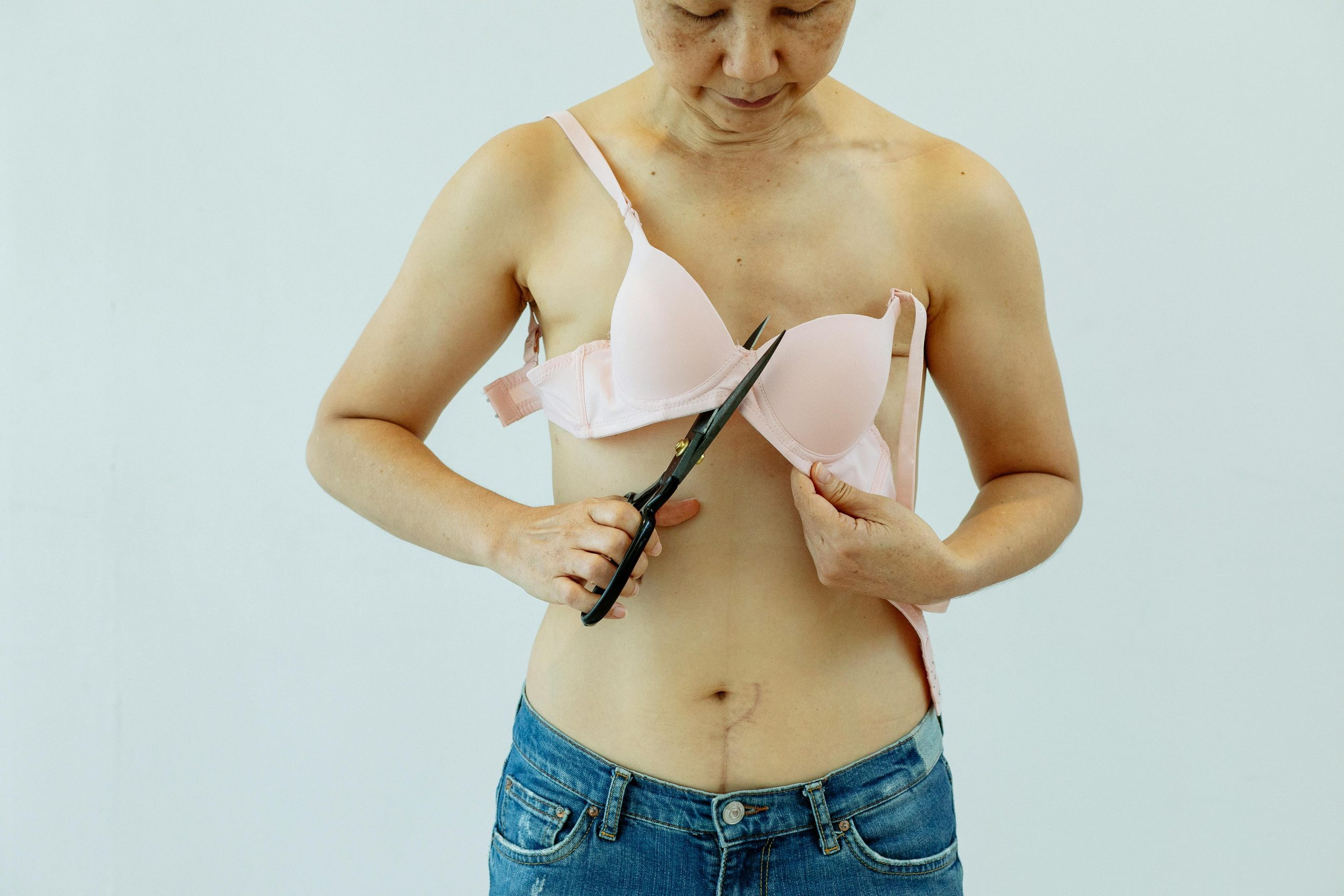
2. Body Image and Self-Confidence
After surgery, some women struggle with how they look or feel.
Breast reconstruction, prosthetics, or counseling can help rebuild confidence.
Surround yourself with supportive people and remember — your scars tell a story of strength.
3. Depression and Fatigue Overlap
If sadness or hopelessness lasts more than two weeks, talk to your doctor.
Post-cancer depression is treatable, and early support makes recovery smoother.
Steps to Regain Strength and Wellness
| Focus Area | What You Can Do |
|---|---|
| Exercise | Start with light walking or yoga to rebuild stamina. |
| Nutrition | Prioritize whole foods, hydration, and smaller, frequent meals. |
| Follow-up Care | Attend all scheduled scans and check-ups. |
| Sleep & Rest | Maintain regular sleep hours and limit caffeine. |
| Support Network | Stay connected with family, friends, or survivor groups. |
“Survivorship means living well, not just living longer,” says Dr. Atacador.
Post-Treatment Care in the Philippines
Most major hospitals offer cancer survivorship programs that include nutritional counseling, mental health support, and physical rehabilitation.
Foundations like the ICanServe Foundation and Philippine Foundation for Breast Care also provide free counseling and recovery workshops for survivors.
“You don’t have to recover alone,” Dr. Atacador reminds. “Help is out there — and recovery is possible.”
“Healing after breast cancer is a journey — one step, one day at a time. Celebrate progress, forgive slow days, and remember: surviving is winning.”
Do you feel like you need to get your breasts checked? Contact Dr. Jon Atacador through his Facebook page and schedule your consultation or check up today.
References
- American Cancer Society. Life After Breast Cancer: What to Expect.
- Mayo Clinic. Managing the Long-Term Side Effects of Breast Cancer Treatment.
- Johns Hopkins Medicine. Survivorship and Rehabilitation After Breast Cancer.
- Healthline. Coping with the Emotional and Physical Effects After Cancer.
- National Cancer Institute (NCI). After Cancer Treatment: Survivorship Care.
- World Health Organization (WHO). Cancer Rehabilitation and Recovery Guidelines.