
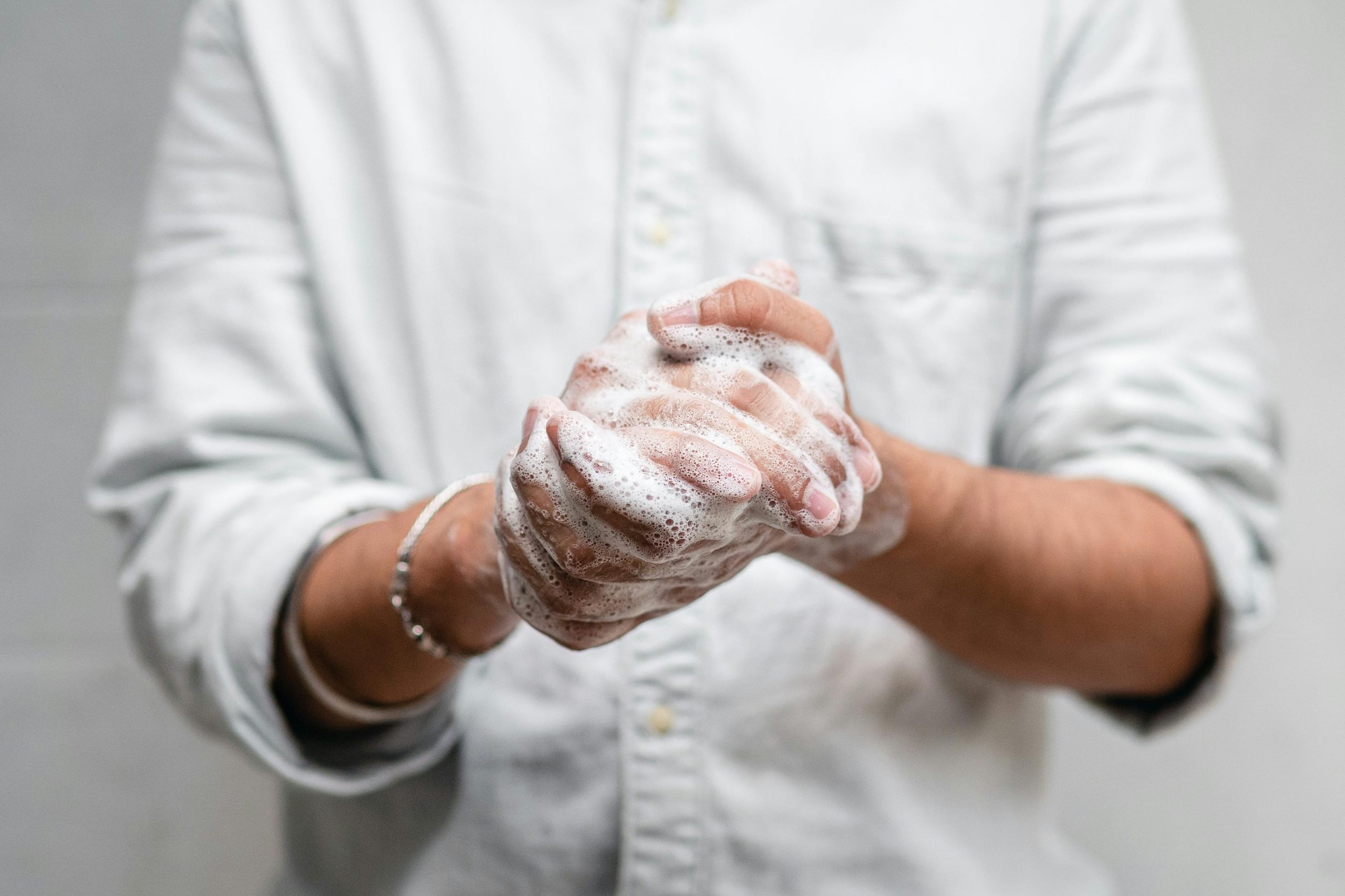
Before “hygiene” became a buzzword, our elders already practiced it like faith.
They didn’t count seconds under the faucet or check alcohol percentages on a sanitizer bottle. They simply said, “Wash your hands before you eat.”
It was a reminder that care begins before consumption — a simple ritual of respect.
Fast-forward to now: we live in a world obsessed with optimization — air-purifiers, filters, serums, supplements. But one of the most powerful wellness habits still fits in the palm of our hands. Literally.
HOW DO YOU MAKE WASHING YOUR HANDS A MEANINGFUL EXPERIENCE?
The Science (and Sense) of Clean Hands
The World Health Organization says proper handwashing can cut diarrheal diseases by up to 30 percent and respiratory infections by about 20 percent. The CDC still calls it “the single most effective act of protection.”
Those numbers have held up for decades — surviving every new wellness trend and viral TikTok hack. Because washing your hands isn’t just an old-school habit; it’s biology, backed by billions of microbes that never sleep.
And yet, we often forget. We sanitize but rarely slow down. We scrub but don’t notice the act itself.
READ: Sightlines — How the World Looks When Vision Fades
From Routine to Reset
Here’s a quiet truth: handwashing is also mental hygiene.
A University of Toronto study found that washing hands can help people let go of negative emotions — literally “washing away” guilt or stress. It’s why some therapists now talk about micro-rituals — small, repeatable actions that anchor you in the present.
Think of it like hitting refresh between life’s tabs. A 20-second pause to come back to yourself.
What the Body Knows
For Gen Xers, maybe handwashing recalls childhood kitchens — the smell of a favorite soap, the clink of enamel basins, the voice of a mother calling from the sink.
For Millennials, it became ritualized during the pandemic — that anxious chorus of “wash your hands, stay safe.”
For Gen Z, it’s part of a wider self-care vocabulary — skincare, mindfulness, sustainability — all orbiting around one thing: awareness.
Different memories, same gesture. The body remembers what matters.
Clean Hands, Clear Conscience
In a time when wellness feels commercialized, there’s something almost rebellious about rediscovering simplicity.
To wash your hands — slowly, mindfully — is to say no to chaos for a moment.
It’s a small act of autonomy in an overstimulated world.
Science confirms what ancient rituals have always known: physical cleansing helps emotional clarity. A 2016 review in Cognitive Science even showed that symbolic acts of washing can reduce cognitive dissonance — our mind’s way of balancing inner tension.
In short: when we wash our hands, we remind the brain it’s safe to let go.
From Hygiene to Habit, Habit to Grace
Every time we wash, we practice boundaries — between what stays and what goes.
Between what we hold and what we release.
And perhaps that’s the deeper beauty in it: this universal, ageless act that unites generations.
Handwashing may start as hygiene but ends as a philosophy — the belief that renewal is always possible, and that purity begins not with products, but with presence.
Joyful Wellness Reflection
Water, soap, movement — this is the body’s meditation.
From World Sight Day to Global Handwashing Day, may we remember: clarity and cleansing belong to the same lineage of wellness.
Wash not just for safety, but for sanity.
Not only to clean, but to come back whole.
Takeaway: The Ritual Reset
Wash with soap and clean water for 20 seconds (hum the chorus of your favorite song).
Choose gentle, moisturizing formulas to protect skin barrier.
Use alcohol sanitizer (≥60 %) when water isn’t available.
Treat the act as micro-mindfulness: breathe, rinse, reset.
Remember — small acts, repeated daily, build real wellness.
References:
- World Health Organization. Global Handwashing Day 2024: Clean Hands Are Within Reach.
- Centers for Disease Control and Prevention. Hand Hygiene Facts and Guidelines.
- Lee, S., & Zhong, C. (2010). Science, 328(5979), 709–710.
- University of Toronto. The Psychology of Cleansing and Cognitive Reset, 2022.
- Department of Health (Philippines). National Hand Hygiene Policy Guidelines, 2023.