Understanding the rules that quietly shape our wellbeing
Health, today, is no longer confined to clinics.
It lives in apps, in online marketplaces, in workplaces, in policies we rarely read but constantly experience. It moves through data, decisions, and systems that most people interact with daily, often without fully understanding how they are protected, regulated, or sometimes, left exposed.
This is where a legal voice becomes necessary.
In the coming weeks, Joyful Wellness will begin introducing conversations that bring together health and legal perspectives, not to overwhelm, but to clarify. Because while science helps us understand the body, the law often determines how care is delivered, accessed, and safeguarded.
And increasingly, the two are inseparable.
A Changing Landscape
Across the Philippines, the health and wellness space is evolving quickly.
Telemedicine continues to expand, making consultations more accessible, especially for those with limited mobility or distance from hospitals. Yet as of early 2026, there remains no comprehensive law governing digital health services. Current practices rely on interim guidelines, leaving important questions about accountability, standards, and patient protection still in progress.
At the same time, the Data Privacy Act of 2012 has taken on greater importance. As more Filipinos share personal health information online, the responsibility to protect that data has become critical not only for institutions, but for patients themselves.
These are becoming more than abstract concerns.
They shape how safe, reliable, and trustworthy our healthcare experiences become.
What We Are Buying—and Trusting
Another area drawing attention is product safety.
The Food and Drug Administration (FDA) has intensified efforts to monitor and remove unregistered health products, particularly those sold through digital platforms. From supplements to medical devices, the rise of online commerce has made access easier, but also riskier.
Many products promise quick results. Not all are verified.
For consumers, this means that health decisions now require awareness and discernment.
Understanding labels, certifications, and regulatory approvals is no longer optional, but a part of protecting one’s wellbeing.
DISCOVER: Unsafe DIY Beauty Trends in the Philippines Are Becoming a Women’s Safety Issue
Wellness at Work
Health is also becoming a workplace conversation.
The introduction of a five-day wellness leave for government employees signals a shift in how institutions view mental and physical health. It acknowledges something long understood but rarely formalized that rest, recovery, and emotional wellbeing are essential to productivity and long-term functioning.
Policies like these reflect a broader movement: one that treats wellness not as a structural priority instead of personal luxury.
Public Health, Shared Responsibility
Other issues continue to surface in public discourse.
Debates around vape regulation, vaccination, and food marketing highlight the delicate balance between personal choice and public safety. Rising cases of preventable diseases remind us that individual decisions often carry collective consequences.
Meanwhile, ongoing discussions around the implementation of the Universal Health Care Act including funding gaps and policy challenges underscore how deeply systems influence everyday access to care.
REVIEW: What the Supreme Court Ruling on PhilHealth Really Means for Filipino Families
Looking Ahead
New questions are already emerging.
What happens when artificial intelligence begins assisting in diagnosis?
Who is responsible when digital tools influence medical decisions?
How do we protect both patients and practitioners in increasingly virtual environments?
These may sound like distant concerns.
But mind you, they are already shaping the future of healthcare.
A Space for Clarity
Joyful Wellness has always aimed to make health easier to understand.
Bringing in a legal perspective is a natural extension of that purpose.
Because sometimes, what people need, aside from credible information, is clearer guidance.
In the weeks ahead, we will explore these topics with the help of legal and health experts, translating complex issues into practical insights readers can use in daily life.
And we hope to do this together.
If there are questions you’ve been meaning to ask about your rights, your access, or your protection within the health system, we invite you to share them with us.
The goal remains the same:
To empower you to take charge of your wellbeing—with knowledge that is not only scientific, but also grounded in the realities of the world we live in.
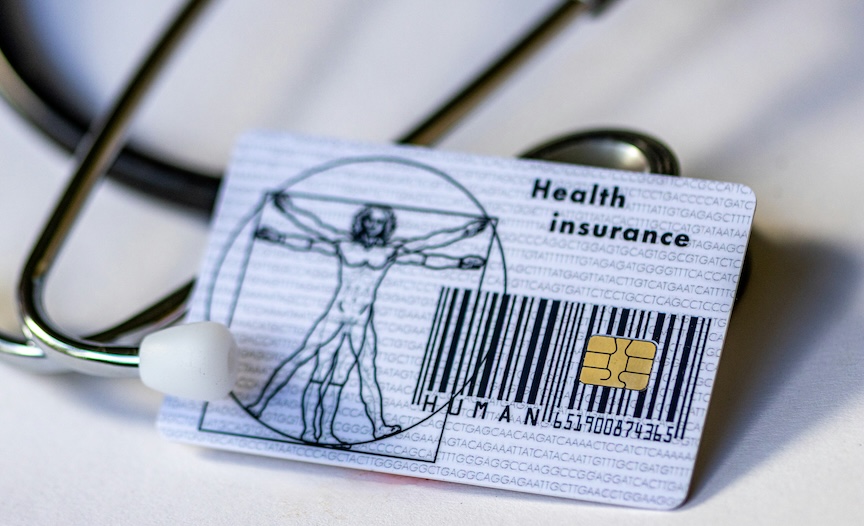
Photo by Marek Studzinski on Unsplash
References / Further Reading
- Department of Health (DOH) & University of the Philippines – Telemedicine Guidelines
- National Privacy Commission (NPC) – Data Privacy Act of 2012
- Food and Drug Administration Philippines – Public Health Warnings & Product Advisories
- Civil Service Commission (CSC) – Wellness Leave Policy (2026)
- Philippine News Agency – Reports on measles resurgence and vape regulation
- Philippine Institute for Development Studies (PIDS) – Universal Health Care Act analyses
- World Health Organization (WHO) – Digital Health and Governance
- Asian Development Bank (ADB) – Health system financing in Southeast Asia