Some clinics in Metro Manila and other major Philippine cities are reporting a noticeable, though modest, uptick in inquiries for aesthetic treatments such as chemical peels, light-based therapies, and injectables as Valentine’s Day approaches. Many inquiries coincide with holiday photos, social events, and romantic dates.
At the same time, dermatologists and public health officials urge people to make informed, medically sound decisions about these procedures. They continue to warn against unapproved treatments that may pose health risks.
Based on repeated advisories from local experts, including the Philippine Dermatological Society (PDS) and the Department of Health (DOH), some popular “quick-fix” beauty treatments lack scientific evidence for effectiveness and may cause serious side effects when used improperly.
In a media landscape where social platforms amplify appearance expectations, health professionals emphasize evidence-based care and personal well-being as ways to nurture confidence, rather than insecurity.
On appearance and digital exposure
Global research illustrates how visual digital environments can shape perceptions of self and beauty.
A 2024 systematic review published in Frontiers in Public Health found that higher social media use—particularly image-focused features such as selfies and filters—is associated with greater body dissatisfaction and increased interest in cosmetic procedures. The review noted that repeated exposure to idealized digital images can contribute to social appearance anxiety and attitudes that favor cosmetic enhancements, especially among women and single individuals.
Similar dynamics appear in the Philippine context. A study involving Filipino adolescents aged 12–17 reported that more than 79% used social networking sites daily. Greater social media engagement was significantly associated with negative eating attitudes and body dissatisfaction, highlighting how pervasive digital culture can influence self-perception among young people.
While mobile platforms enable connection and creativity, they also introduce frequent comparison cues. These pressures often intensify during high-visibility moments such as Valentine’s Day.
Safety warnings from Philippine health authorities
Many skincare and minor cosmetic procedures remain safe when performed by licensed professionals. However, Philippine health authorities have issued specific warnings about treatments that trend online without clinical support. One of the most prominent examples is intravenous (IV) glutathione, often promoted for skin “whitening” or “brightening.”
According to PDS President Dr. Jasmin Jamora, no published clinical evidence supports claims that IV glutathione lightens skin. In media interviews, she explained that IV glutathione is a medical drug used as an adjunct in certain chemotherapy regimens, not as a cosmetic treatment. Its use for skin whitening is unsupported and potentially unsafe.
She also emphasized that any infusion or injectable must be administered in a medical clinic by licensed professionals, given the risks of serious adverse effects such as organ toxicity and severe allergic reactions.
The Food and Drug Administration (FDA) likewise states that it has not approved any injectable product for skin whitening. The agency regularly advises consumers to verify whether cosmetic products and treatments are authorized before use. Unauthorized items may contain harmful substances, including heavy metals, which have been detected in some unregistered skin-lightening products sold online.
Similarly, the DOH has reiterated that off-label use of medical infusions for beauty purposes lacks evidence and may be illegal without proper medical oversight. In public briefings, Health Secretary Teodoro Herbosa has warned that unregulated aesthetic procedures can lead to severe, even life-threatening, reactions.
For these reasons, dermatologists continue to advise the public to consult board-certified specialists, particularly PDS members, for guidance on safe and appropriate treatments.
READ: Skincare Boom Raises Safety Concerns Over Whitening Products in the Philippines
The human side of beauty choices
Seeking aesthetic treatments—from facials to minor enhancements—often forms part of everyday self-care. For many, these choices reflect individuality and personal expression rather than insecurity.
Research suggests, however, that motivation matters. Studies linking social media use with body dissatisfaction and interest in cosmetic procedures do not imply universal harm. Instead, they show that repeated exposure to idealized images can influence how some individuals feel about their appearance.
The Frontiers in Public Health review describes this pathway as driven by ongoing social comparison and unrealistic visual standards, which may encourage negative self-appraisal in susceptible users.
Health professionals therefore encourage reflective engagement with digital content. Paying attention to how certain posts affect mood or self-esteem can help turn social media use into a tool for awareness rather than pressure. Mindful scrolling and intentional posting may reduce the emotional weight of constant comparison.
A balanced approach to skin and self-care
Dermatologists emphasize that many foundations of skin health rely on well-established, low-risk practices. These include consistent sun protection, gentle cleansing, and appropriate moisturization. Over time, such habits improve skin resilience and appearance without chasing unrealistic standards.
Equally important, any procedure—whether light therapy or injectables—should take place under the supervision of licensed clinicians in reputable medical settings. Dermatologists can tailor recommendations to individual skin types, manage concerns such as acne scars or hyperpigmentation, and monitor outcomes to minimize adverse effects.
Mental health professionals also highlight the role of self-compassion when navigating appearance and media. Research suggests that internalized ideals, rather than any single image, drive discomfort. Supportive communities, both online and offline, can counterbalance these influences.
Media literacy and emotional awareness programs further help individuals understand how digital content intersects with well-being. Instead of fearing comparison, people can learn to question and contextualize what they see, building confidence rooted in personal values rather than external templates.
On real beauty and wellness
Valentine’s Day often draws attention to appearance—through photos, dates, and social feeds. It can also serve as a moment to reflect on why appearance matters and how it connects to identity, joy, and self-respect.
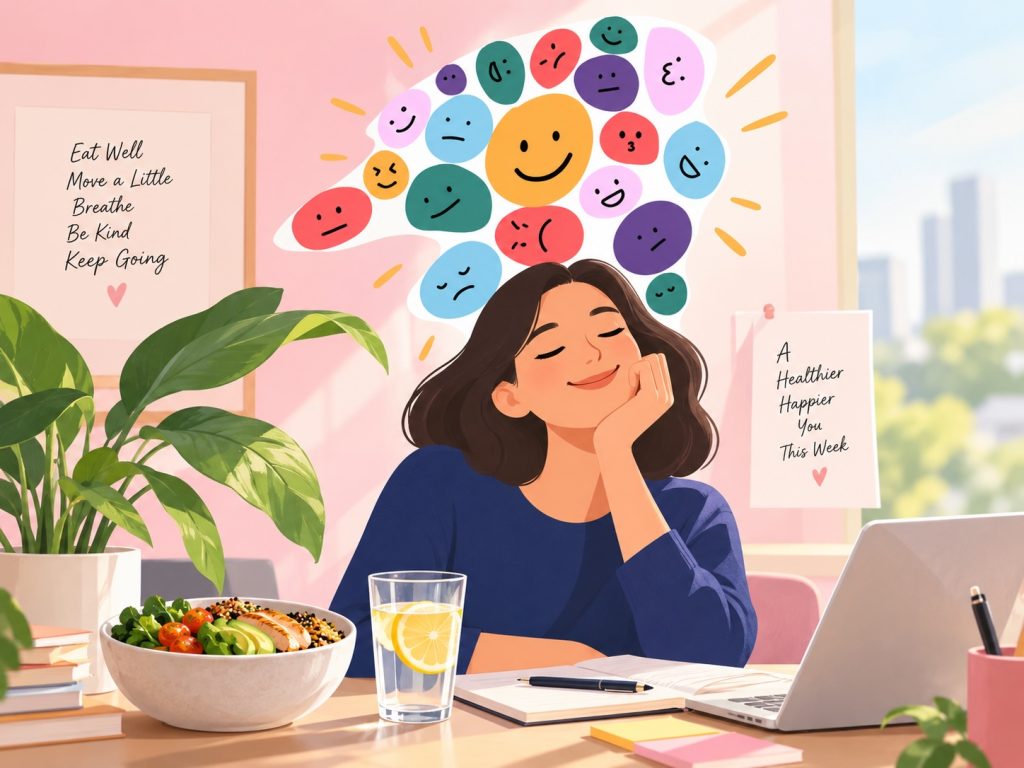
Confidence and contentment do not come from a single procedure or filter. They grow through consistent self-care, informed choices, and appreciation of one’s own journey.
This discussion does not dismiss beauty practices. Rather, it frames them in a health-affirming way: choose what nurtures both skin and spirit, consult trusted professionals, and honor the body not as a project to fix but as a companion in everyday life.
By taking small, mindful steps grounded in evidence and kindness—whether booking a facial with a licensed dermatologist or applying sunscreen each morning—individuals cultivate a form of wellness that is real, sustainable, and uplifting.
Photo by Sam Moghadam on Unsplash
References:
Philippine Dermatological Society. (2025). Public advisory on IV glutathione and cosmetic procedures. Retrieved from https://tribune.net.ph/2025/01/27/dermatologists-warn-against-iv-glutathione
Department of Health Philippines. (2024). Warning vs. illegal skin treatments. Retrieved from https://qa.philstar.com/headlines/2024/01/17/2326457/doh-warns-vs-illegal-skin-treatments
Systematic Review: Social Media, Body Dissatisfaction, and Cosmetic Procedures, Frontiers in Public Health, 2024. https://www.frontiersin.org/articles/10.3389/fpubh.2024.1324092/full
Filipino Youth Social Media Study, PMC, 2021. https://www.ncbi.nlm.nih.gov/pmc/articles/PMC8650886
Clinics in Dermatology. (2023). Social media’s impact on body image and aesthetic procedure interest. https://www.sciencedirect.com/science/article/abs/pii/S0738081X23000299