As reports of a Nipah virus outbreak in West Bengal, India capture global attention, questions and concerns naturally follow. News headlines may feel urgent, but in a time of heightened vigilance, accurate information—without unnecessary panic—is the most empowering tool for public health. At Joyful Wellness, we’re here to help you understand what Nipah virus is, how it spreads, what the current situation means, and what practical prevention measures matter most.
What Is the Nipah Virus?
The Nipah virus (NiV) is a zoonotic pathogen—meaning it normally lives in animals but can infect humans. It was first identified after an outbreak in Malaysia in 1998, when farmers and pigs became ill. Since then, sporadic outbreaks have occurred, especially in countries like Bangladesh and India. -cdc
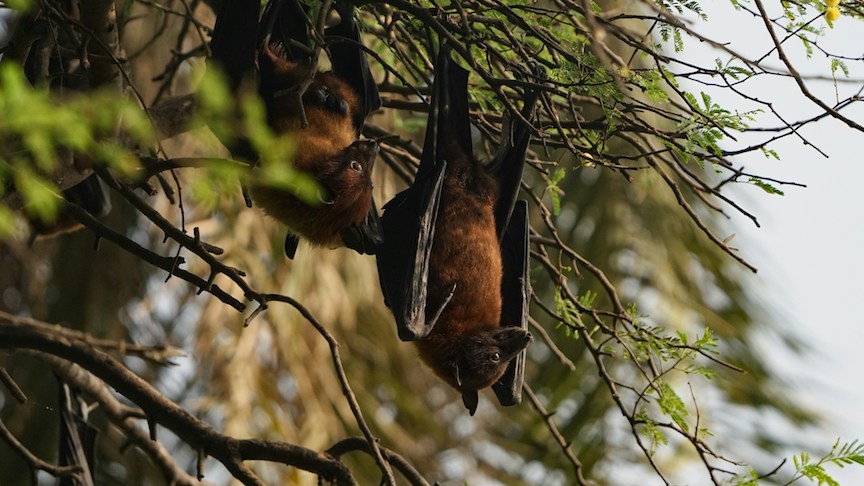
This virus is carried naturally by fruit bats (genus Pteropus), sometimes called flying foxes. Transmission to humans can occur through direct contact with infected animals, their body fluids, or contaminated foods. Once a person is infected, further human-to-human transmission can occur through close contact.-cdc
Why It’s Getting Attention Now
In late January 2026, health authorities in West Bengal confirmed several human cases of Nipah virus. Asian countries including Thailand, Nepal, Vietnam, and Indonesia have increased screening at airports and borders to monitor travelers and prevent wider spread.-gma network
Indian health officials have noted enhanced surveillance and laboratory measures that appear to have contained spread so far. Nearly 200 close contacts of confirmed patients have been tested without additional cases emerging.-the guardian
Despite media phrases like “deadly” or “pandemic potential,” global health experts emphasize that Nipah is not easily spread in casual community settings, and is quite different from highly contagious viruses like COVID-19. – the times of India
Signs, Symptoms, and Progression
Initial symptoms of Nipah virus can resemble other infections:
- Fever
- Headache
- Muscle pain
- Vomiting
- Sore throat
In more serious cases, infection can progress to:
- Respiratory distress
- Encephalitis (inflammation of the brain)
- Confusion, disorientation, seizures, or coma
Symptoms usually appear 4–14 days after exposure, and severity can vary widely.-cdc
The overall case fatality rate in past outbreaks has ranged from about 40% to 75%, depending on clinical care and surveillance context. However, early detection and supportive care improve outcomes.-who
Transmission: How the Virus Spreads
Nipah virus spreads through:
- Animal-to-human contact, especially via infected bats or pigs
- Contaminated food or fruit products exposed to infected animals
- Close contact with body fluids of an infected person
Direct contact and proximity are key risk factors. Nipah does not spread through casual airborne transmission in most settings, but close exposure to respiratory secretions can result in transmission.-who
Are We at Risk in the Philippines?
The Philippines has encountered Nipah before. The Department of Health (DOH) notes that the virus was detected in the country as early as 2014, when 17 cases occurred in Sultan Kudarat. There have been no further local outbreaks since then.-pna
In light of the recent outbreak in India, the DOH and immigration authorities are maintaining vigilant surveillance at borders and ports of entry. Measures include online health declarations, thermal screening at airports, trained health personnel monitoring arrivals, and public education on symptoms and prevention.-businessmirror
Health authorities stress that while vigilance is necessary, there is no evidence of local transmission at this time. Continued surveillance and early identification remain the most effective defenses.-manila standard
No Cure or Vaccine Yet — What That Means
At present, there are no licensed treatments or vaccines for Nipah virus infection. Care is primarily supportive, focusing on symptom management, hydration, rest, and prevention of complications.-cdc
Research and vaccine development are ongoing internationally, but for now, public health measures and early detection are the cornerstones of control.-reuters
Practical Prevention Tips — Everyday Care
Here are simple, science-informed steps that can reduce risk:-cdc
Practice good hygiene
Wash hands regularly with soap and water, especially after animal contact or handling food.
Avoid potential animal exposure
- Do not touch sick or dead animals.
- Avoid bat habitats where possible.
- Do not consume raw date palm sap or fruits that might be contaminated.
Seek care early
If you experience symptoms after travel or exposure, consult a healthcare provider promptly. Early supportive care reduces complications.
Support public health measures
Follow guidelines at airports and borders, including health declarations and screenings. These protect communities and yourself.
The Joyful Wellness Perspective
News about infectious diseases can feel unsettling—but knowledge empowers rather than alarms. In wellness, preparation matters more than panic. Understanding how a virus spreads, how symptoms present, and how agencies work to protect the public allows us to respond with clarity and care.
The Nipah virus reminds us that prevention is not passive. It is deliberate—rooted in hygiene practices, informed choices, and trust in public health systems. As we monitor developments globally, we can commit to staying informed, staying calm, and practicing prevention, not fear.
Photo by soham srivastava on Unsplash
*This article is intended to inform and empower readers with general, science-based health information drawn from reputable public health sources. It does not replace medical advice. For personal health concerns or symptoms, readers are encouraged to consult a licensed healthcare professional.
Sources & Citations
- CDC: Overview of Nipah virus transmission, symptoms, and prevention.
- The Guardian: Context of recent outbreak and global screening responses.
- Bernama / Xinhua: DOH monitoring and absence of travel restrictions.
- GMA News: Strengthened health checks in Asian airports.
- ABS-CBN / other news: DOH assurances and likelihood of outbreak in Metro Manila.
- BusinessMirror / local updates: Screening and readiness protocols at borders.