

January festivals in the Philippines, including Sinulog in Cebu and Kasadyahan sa Kabanwahanan in Iloilo, again place millions of people into shared public spaces this month, concentrating music, dance, devotion, and social interaction over a few intense days.
According to the official Sinulog Festival schedule released by Cebu City organizers, the Sinulog Grand Parade is set for January 18, 2026, alongside Fiesta Señor religious activities centered at the Basilica Minore del Santo Niño.
Meanwhile, the Philippine Information Agency reported that Kasadyahan sa Kabanwahanan’s main competition will be held on January 24, 2026, followed by the Dinagyang Tribes Competition on January 25, anchoring Iloilo’s peak festival weekend.
Beyond their cultural and economic significance, public health experts increasingly view mass cultural participation as a social condition that can influence well-being, alongside income, housing, and access to health services. According to the World Health Organization, social connection and supportive environments are among the social determinants of health that shape population outcomes beyond medical care alone.
That framing shifts how festivals are understood. Rather than asking whether celebration is “good for you” in a casual sense, health researchers now examine how environments that foster belonging, participation, and shared identity interact with stress, mental health, and long-term health risks.
When mass gatherings become social environments
The relevance of Sinulog and Kasadyahan to public health begins with scale. In Cebu, crowd estimates from recent years illustrate how quickly the festival becomes a city-wide social environment.
GMA Integrated News reported that about four million people joined Sinulog festivities in 2025, citing figures from the Cebu City Disaster Risk Reduction and Management Office and local police. ABS-CBN News carried similar reporting, likewise attributing the estimate to city disaster officials.
For 2026, Cebu Daily News/Inquirer reported that local authorities are preparing for four to five million visitors during the Fiesta Señor and Sinulog Grand Parade period, a projection repeatedly cited in local government briefings.
In Iloilo, Dinagyang-related events unfold across several days rather than a single parade, but official scheduling still signals predictable crowd surges. According to the Philippine Information Agency, Kasadyahan sa Kabanwahanan and the Dinagyang Tribes Competition are scheduled on consecutive days, drawing contingents from municipalities across Western Visayas and concentrating spectators in key judging areas.
From a health perspective, this predictability matters. It allows local governments and hospitals to anticipate heat exposure, injuries, and emergency access constraints during peak days. At the same time, the same density that creates risk also creates something rare in modern urban life: a setting where social interaction is unavoidable, shared, and culturally sanctioned.
DISCOVER: Studies Link Holiday Social Gatherings to Better Health Outcomes
Why social connection is now treated as a health factor
Public health’s interest in communal life is grounded in evidence. According to the World Health Organization, social determinants of health include the social and physical environments in which people live, and these determinants account for a substantial share of health inequities globally.
Consequently, isolation and disconnection are no longer treated as merely emotional states but as conditions linked to measurable health outcomes.
One of the most frequently cited findings comes from a large meta-analysis published in PLOS Medicine by Julianne Holt-Lunstad and colleagues, which examined data from more than 300,000 participants across multiple studies. The analysis found that individuals with stronger social relationships had a 50 percent higher likelihood of survival compared with those with weaker social relationships, an association comparable in magnitude to well-established health risk factors.
The authors emphasized that the finding reflects association rather than causation, but the consistency across studies strengthened the conclusion that social connection matters for longevity.
Similarly, the U.S. Surgeon General’s 2023 advisory on loneliness and social isolation concluded that poor social connection is associated with higher risks of premature death and increased risks of heart disease, stroke, depression, and anxiety.
In a June 30, 2025 statement, the World Health Organization likewise reported that social connection is linked to better health and reduced risk of early death, while loneliness and social isolation are associated with increased risks of cardiovascular disease, diabetes, cognitive decline, and mortality.
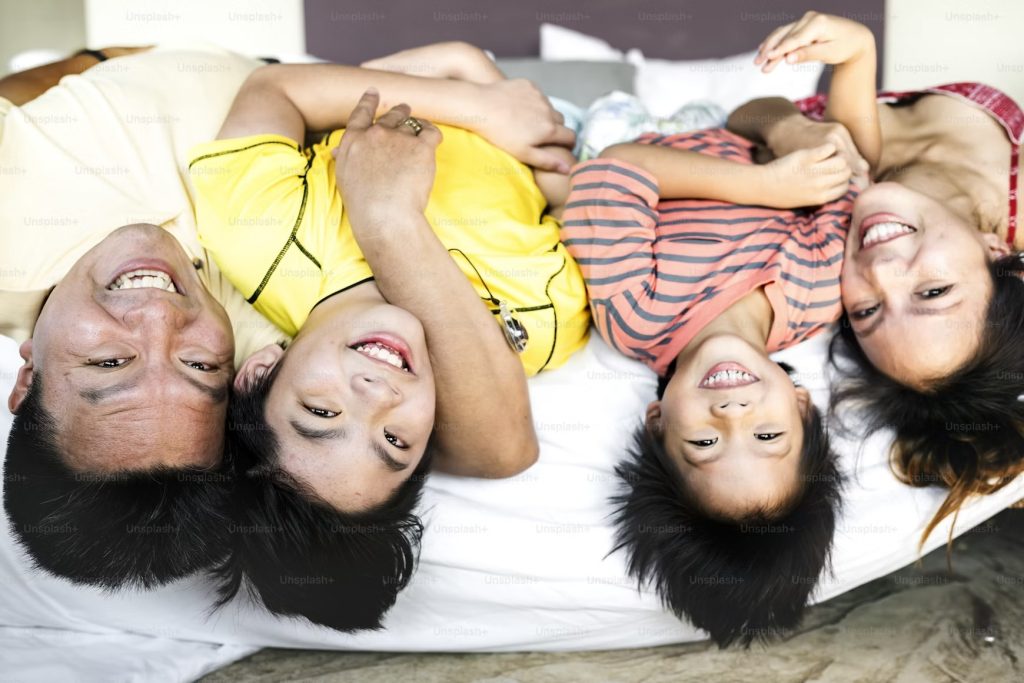
Seen through this lens, when millions gather for Sinulog or Kasadyahan, public health researchers see more than a celebration. They see a temporary but powerful social exposure.
Cultural participation and well-being
Researchers have also examined whether cultural participation itself correlates with health outcomes. A 2019 study published in The BMJ by Daisy Fancourt and colleagues analyzed 14 years of data from the English Longitudinal Study of Ageing and found that people who engaged in receptive arts activities had a lower risk of death during follow-up, even after adjusting for demographic and health factors. The authors were explicit that the study was observational and did not establish causality.
Similarly, a 2021 BMJ Open study reported that engagement in community cultural assets was associated with better self-reported well-being at the neighborhood level, while cautioning against causal interpretation.
None of these studies were conducted in the Philippines, and none claim that festivals directly improve health. Nevertheless, they support a narrower and defensible conclusion: cultural participation and shared social experiences consistently appear alongside better well-being indicators in large population datasets.
The Philippine mental health context
This discussion unfolds against a backdrop of recognized mental health challenges in the Philippines. According to the WHO-led Investment Case for Mental Health in the Philippines, depression was identified as the most common mental health condition in the country, with an estimated 3.3 million cases in 2017, representing about 3.3 percent of the population at the time.
The same investment case noted that anxiety and depression account for a substantial share of years lived with disability, underscoring their social and economic impact.
As a result, policymakers and researchers increasingly ask what social environments outside clinics can help buffer stress and isolation. Festivals are not treatment, and they do not replace mental health services. They do, however, represent recurring, culturally accepted moments of collective life that may reinforce social support, one of the protective factors highlighted in global research.
Measuring happiness as a social outcome
The growing attention to communal well-being also appears in how happiness is measured. A nationwide survey conducted in November 2024 by the Philippine Survey and Research Center in partnership with the Gallup International Association reported that Filipinos registered a net happiness score of 60 percent, placing the country among higher-ranking respondents globally.
Researchers caution that self-reported happiness does not negate mental health needs. High happiness scores can coexist with significant depression and anxiety burdens. The relevance of such surveys lies not in claiming universal well-being, but in showing that happiness and life satisfaction are now treated as population-level indicators shaped by social conditions.
Health risks and preparedness
Mass gatherings also carry predictable risks. According to World Health Organization guidance on mass gatherings, crowding, heat exposure, dehydration, injuries, and infectious disease transmission require planning and mitigation.
In Cebu, local reporting shows how health systems respond to these risks. SunStar Cebu reported that the Department of Health Central Visayas advised Sinulog attendees to bring drinking water, protect themselves from heat and rain, and avoid attending if unwell, citing expected crowd density. DOH-7 also announced heightened alert measures during the Sinulog period.
These advisories underscore a central point: the potential social benefits of festivals depend on safety. When participation leads to dehydration, injury, or illness, communal joy can quickly turn into preventable harm.
Festivals as lived civic spaces
Sinulog and Kasadyahan function as lived civic spaces. Sinulog weaves religious devotion and public performance into the physical fabric of Cebu City, while Kasadyahan brings municipalities together on a shared stage that mobilizes entire communities beyond the performance itself.
The evidence does not support claiming that festivals cure disease or replace mental health care. What it does support, according to WHO, the U.S. Surgeon General, and peer-reviewed research, is a grounded conclusion: social connection is a health-relevant condition, and environments that foster belonging and participation are associated with better well-being outcomes.
Sinulog and Kasadyahan matter not because they are extraordinary interventions, but because they are ordinary, recurring civic realities that place connection at the center of public life. The lesson is demanding but clear: communal joy has health value only when it is protected. When festivals are planned with safety, inclusion, and accessibility in mind, they do more than entertain. They help sustain the social fabric that allows communities to endure long after the drums fall silent.
Photo by Hitoshi Namura on Unsplash