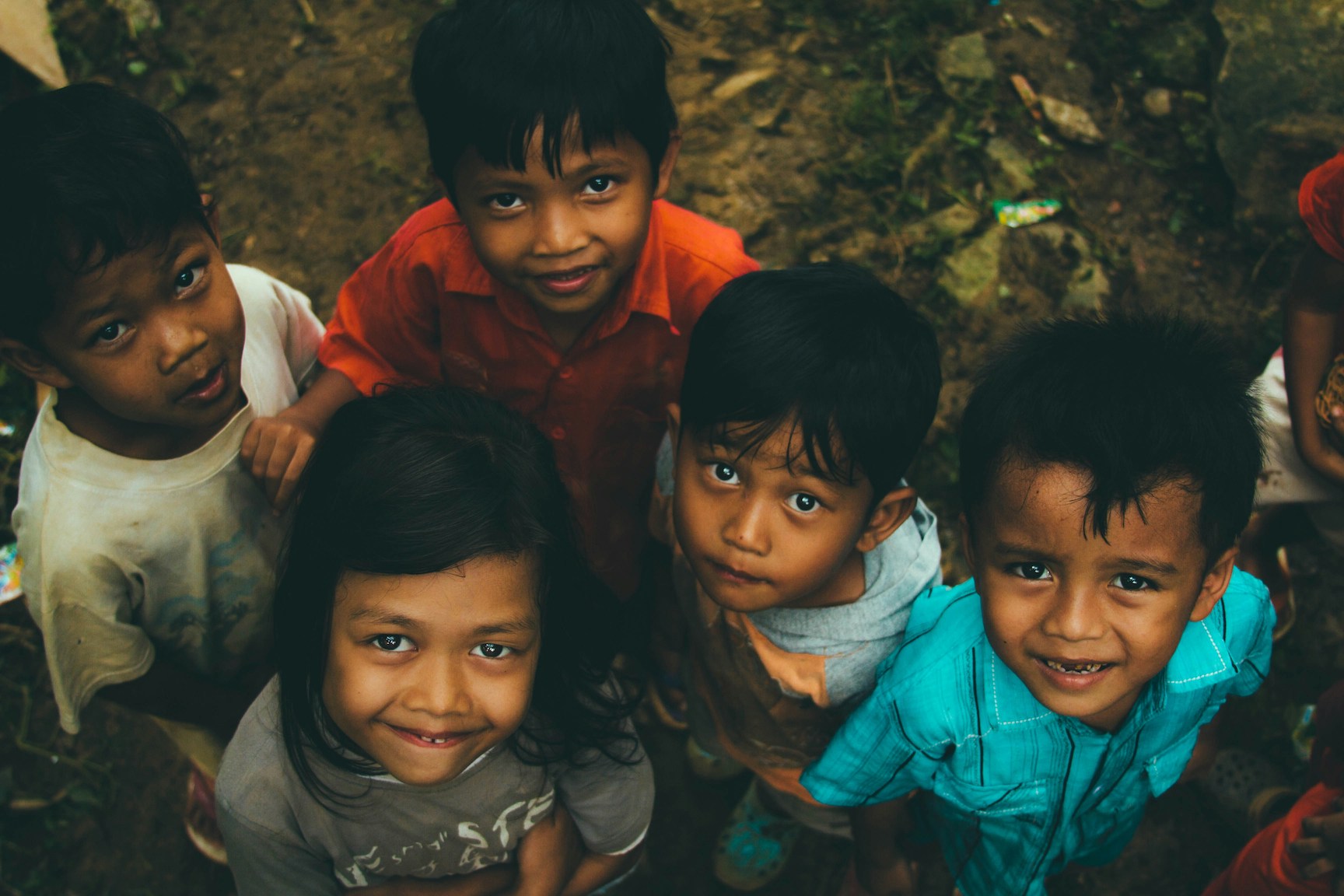
World Neglected Tropical Diseases (NTD) Day, observed every January 30, draws attention to infections that continue to affect millions of Filipinos, particularly intestinal worm infections and schistosomiasis, despite decades of effective treatment.
According to the World Health Organization (WHO), these diseases persist where poverty, unsafe water, and inadequate sanitation remain entrenched. In the Philippines, national surveys show that soil-transmitted helminth infections remain common among schoolchildren, while schistosomiasis continues to be endemic in dozens of provinces.
At the same time, the country’s latest nutrition data indicate that undernutrition and food insecurity remain widespread, conditions that amplify the health and developmental impact of parasitic infections.
Consequently, health experts increasingly emphasize that eliminating neglected tropical diseases in the Philippines depends not only on medicine, but also on improving nutrition and living conditions.
The scale of the problem: what national data show
Soil-transmitted helminth infections, caused mainly by roundworm, whipworm, and hookworm, remain among the most prevalent neglected tropical diseases affecting Filipino children.
The most comprehensive national estimate comes from a 2013–2015 nationwide prevalence survey among public-school children, published in a peer-reviewed journal. The study analyzed stool samples from 26,171 children across multiple provinces.
Researchers found that 28.4% of children were infected with at least one soil-transmitted helminth, with prevalence varying sharply by location. Cumulative prevalence ranged from 0.5% in Ilocos Norte to 89.5% in Sorsogon, underscoring how infection clusters in areas with poor sanitation and environmental exposure.
Most infections were classified as light intensity. However, public health researchers note that repeated light infections can still undermine child health when reinfection occurs frequently. Hookworm infections, even at moderate levels, cause chronic blood loss and increase the risk of iron-deficiency anemia among children and adolescents.
Schistosomiasis presents a different but equally persistent challenge. A 2025 comprehensive review published in an international tropical medicine journal reported that 28 of the Philippines’ 81 provinces remain endemic, largely in the Visayas and Mindanao. The review explains that local governments confirm endemicity through snail surveys and field studies identifying infected intermediate host snails.
Another 2025 peer-reviewed article notes that schistosomiasis remains present across 12 geographical regions, reflecting how transmission persists in communities that rely on freshwater sources for farming, fishing, and household activities.
READ: Neglected Tropical Diseases
Nutrition data reveal compounding risk
Parasitic infections rarely occur in isolation; they intersect closely with nutritional deprivation.
According to the 2023 National Nutrition Survey by the Food and Nutrition Research Institute, 23.6% of Filipino children under five are stunted, meaning nearly one in four experiences chronic undernutrition. The same survey reports that 31.4% of households face moderate to severe food insecurity, while 2.7% experience severe food insecurity.
The survey also documents wasting at 5.6% and underweight prevalence at 15.1% among young children. These indicators matter because undernourished children have fewer physiological reserves to cope with infection.
At the same time, parasitic infections further drain limited nutrients, creating a cycle in which illness and hunger reinforce each other.
How worms and schistosomiasis worsen nutrition
The link between neglected tropical diseases and nutrition is well established.
According to WHO, soil-transmitted helminths impair nutritional status by feeding on host tissues, reducing appetite, and interfering with nutrient absorption. Hookworms attach to the intestinal wall and feed on blood, leading to chronic iron loss and anemia, particularly among children and women of reproductive age.
Schistosomiasis produces similar effects. WHO states that in children, schistosomiasis can cause anemia, stunting, and reduced learning capacity. While treatment can reverse many of these effects, recovery depends on avoiding repeated exposure and consuming diets that support tissue repair and growth.
In communities where food insecurity persists, recovery may remain incomplete, and developmental impacts can accumulate over time.
When undernutrition deepens disease impact
The relationship between nutrition and infection runs in both directions. Undernourished children often have weaker immune responses, which reduces their ability to cope with chronic infection and inflammation.
A widely cited systematic review on nutrition and soil-transmitted helminth reinfection shows that while deworming lowers parasite burden, nutritional status influences how children recover and how quickly reinfection erodes gains. The review emphasizes that nutrition interventions cannot replace sanitation and hygiene improvements, but adequate nutrition remains critical for resilience.
Deworming programs work best when children receive sufficient dietary protein, iron, and micronutrients to rebuild lost tissues and blood. Where food insecurity persists, even successful treatment may leave children vulnerable to fatigue, poor concentration, and impaired growth.
DISCOVER: LGUs Drive Stunting Cuts as Human Capital Losses Mount
Sanitation gaps and reinfection
Medicines clear parasites from the body, but they do not eliminate contaminated environments.
According to the 2022 Philippines Demographic and Health Survey, 15% of Filipinos rely on limited or unimproved sanitation services, and 3% practice open defecation nationally. These conditions allow parasite eggs to persist in soil and water, facilitating rapid reinfection.
Regional disparities remain pronounced. A 2024 Philippine Institute for Development Studies discussion paper reports that about 20% of households in the Bangsamoro Autonomous Region in Muslim Mindanao (BARMM) practice open defecation, posing serious public health risks.
As a result, children in these areas may receive repeated treatment while remaining continuously exposed, turning deworming into a cycle rather than a durable solution.
Schistosomiasis adds another layer of complexity. In endemic provinces, daily activities require freshwater contact, making exposure difficult to avoid without alternative water sources or infrastructure. Transmission remains ecological and community-level, sustained by snail habitats and water systems rather than individual behavior alone.
Global progress, uneven gains
Globally, WHO reports progress against neglected tropical diseases but warns that remaining burdens increasingly concentrate among the poorest populations.
WHO’s Global Report on Neglected Tropical Diseases 2025 estimates that 1.495 billion people worldwide required NTD interventions in 2023, representing a 32% reduction since 2010. The report also documents declines in NTD-related deaths.
However, WHO stresses that these gains are uneven. As overall numbers fall, remaining cases cluster in communities affected by poverty, weak infrastructure, and food insecurity. The “last mile” of NTD elimination often proves the most challenging, requiring investments beyond health services alone.
Connecting treatment, nutrition, and dignity
In the Philippines, preventive chemotherapy, school-based deworming, and praziquantel distribution in endemic areas remain central to NTD control. Yet evidence from national surveys and global health authorities converges on the same conclusion: treatment without nutrition and sanitation remains fragile.
When nearly a quarter of young children are stunted and nearly a third of households experience food insecurity, the health gains from deworming can erode quickly through hunger and reinfection.
Public trust and effective communication also matter. Past disruptions to mass deworming campaigns have shown how fear and misinformation can undermine coverage, particularly in vulnerable communities.
World NTD Day therefore serves as more than a reminder to treat infections. It highlights why they persist. Ending intestinal worm infections and schistosomiasis in the Philippines depends as much on feeding children adequately and ensuring clean water and sanitation as it does on delivering medicine. Without nutrition and dignity, treatment alone cannot break the cycle of neglect.
Photo by Nathan Dumlao on Unsplash