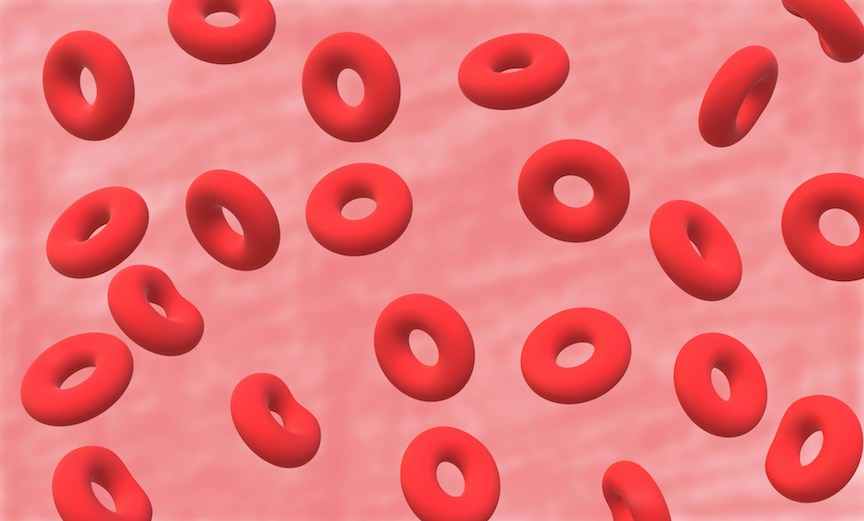
The Philippine Red Cross (PRC) renewed its appeal for blood donations during the December 2025 holiday season, citing a predictable slowdown in donor turnout even as hospitals maintain steady demand for blood products.
PRC Chairman and CEO Richard J. Gordon said the country’s blood supply was not facing an immediate shortage, but emphasized that fewer people typically donate during the holidays. “Emergencies, surgeries, childbirth, and cancer treatments do not take a holiday,” Gordon said in a public statement.
PRC Secretary General Gwen Pang echoed the concern, noting that collections “usually slow down from December to late January,” a pattern the organization sees every year.
To address this seasonal dip, PRC announced continued blood donation schedules at its National Blood Centers from December 23, 2025 to January 3, 2026, underscoring operational continuity during a period often referred to as the “lean months” for blood supply.
According to PRC, blood collected from voluntary donors is processed into components—red blood cells, plasma, and platelets—allowing a single donation to help save up to three lives.
Seasonal slowdown and steady hospital demand
The “lean months” phenomenon is well documented in PRC advisories and media reports. During holidays, schools, offices, and civic groups that normally host blood drives reduce activities, while many regular donors travel or focus on year-end commitments.
Hospital demand, however, remains constant. Emergency care, elective surgeries, childbirth, trauma cases, and cancer treatments continue regardless of season, creating a mismatch between supply and need when donations slow.
PRC officials stress that maintaining adequate reserves requires consistent public participation, even when headline figures suggest that overall supply remains sufficient.
How PRC sustains collections during the holidays
To offset the seasonal dip, PRC continues blood collection through both physical facilities and digital outreach.
The organization’s official website and social media platforms list operating blood centers, explain donation procedures, and provide schedules during the holiday period. These announcements aim to reduce uncertainty and help donors plan visits when routine venues are unavailable.
PRC also emphasizes transparency in how donations are handled. Online materials explain how blood is screened, separated into components, stored, and issued only upon legitimate medical requests. This information helps build trust and lowers hesitation among first-time or returning donors.
Donor guidance—including age ranges, recommended donation intervals, and general eligibility reminders—is also accessible online, although final screening still occurs onsite to ensure safety.
READ: Philippine Red Cross urges Filipinos to donate blood during holiday ‘lean months’
Regulation and safety standards
While PRC manages most voluntary blood collection, national standards are set by the Department of Health (DOH).
DOH guidelines for blood service facilities require proper documentation, inventory monitoring, and traceability of blood products. Facilities must record storage levels and issued units, a requirement that becomes especially important during periods of fluctuating donations.
These local standards align with global norms. According to the World Health Organization, all donated blood must undergo screening for infections such as HIV, hepatitis B, hepatitis C, and syphilis. WHO also stresses that safe blood systems depend on voluntary, non-remunerated donation supported by strong quality-management systems.
Digital tools and donor engagement
Although the Philippines does not yet operate a nationwide, real-time blood inventory map, digital tools increasingly support donor engagement and information dissemination.
International research published in Digital Health shows that mobile applications can help recruit and retain donors by offering scheduling tools, eligibility reminders, and educational content. Apps such as the American Red Cross Blood Donor App demonstrate how digital platforms can streamline appointment management and improve donor retention.
In the Philippine context, earlier academic work documented mobile applications designed to share blood donation announcements and Red Cross updates, illustrating early efforts to integrate technology into donor outreach.
Other global platforms—such as Blood Donors, Donor Circle, and UBLOOD—offer features that connect donors and recipients using location filters and notifications. While these apps are not officially endorsed by DOH or PRC, they reflect a broader international trend toward digital facilitation in blood services.
Recent academic proposals published in 2025 also describe centralized digital platforms that could notify donors when specific blood types are needed. These models highlight potential future directions, although Philippine blood services currently remain centered on facility-based collections.
READ: Philippine Health Research and Wellness Technology Trends 2025
What research says about digital engagement
A 2023 systematic review in Digital Health found that most blood donation apps focus on recruitment, retention, scheduling, and donor history tracking. The review concluded that digital tools can improve convenience and awareness, particularly among younger and tech-savvy populations.
While technology alone does not guarantee higher donation rates, evidence suggests it can lower participation barriers and strengthen communication during periods when traditional recruitment slows.
Safety remains non-negotiable
Despite growing interest in digital tools, safety and regulation remain the foundation of blood services. WHO standards require strict screening and quality systems regardless of how donors are recruited.
In the Philippines, PRC’s extensive network of blood service facilities ensures that donations undergo proper processing, testing, and storage before hospitals receive them. According to PRC’s Blood Bank Locator, all donations remain voluntary and non-remunerated, consistent with international best practices.
Digitization supports, but does not replace, donors
The 2025 holiday blood drive campaign highlights a key lesson: technology and digital outreach can strengthen resilience during lean months, but they cannot replace the essential human elements of blood services.
Voluntary donors, trained staff, regulated facilities, and rigorous screening remain central to a safe and sufficient blood supply. Digital announcements, online guidance, and research-backed tools help sustain engagement, but the system ultimately depends on people choosing to donate.
As PRC continues holiday collections and DOH enforces safety standards, the focus remains on maintaining public awareness during predictable seasonal slowdowns. The goal is not only to avoid shortages, but to ensure that lifesaving blood products remain available whenever patients need them most.
Photo by SHAMBHAVI SINGH on Unsplash