

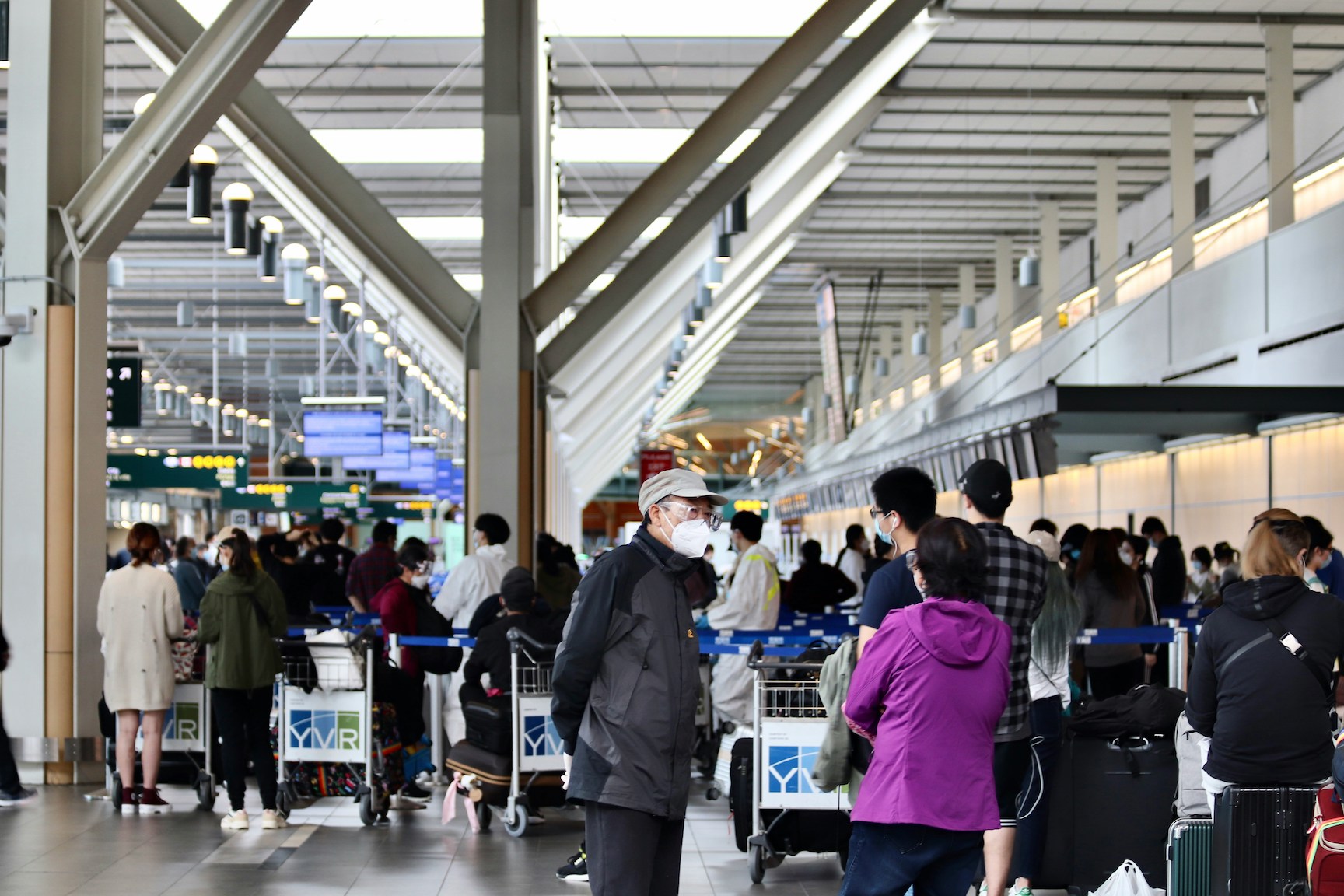
The Philippines is facing heightened respiratory-virus risks as the year ends, with nearly 980,000 airline passengers expected to travel through airports nationwide this holiday season. Health authorities warn that increased mobility and close-contact exposure raise concerns about virus transmission among older adults, who are especially vulnerable to complications from influenza and other respiratory pathogens, according to the Civil Aviation Authority of the Philippines (CAAP).
Globally, influenza activity has increased since October 2025, driven mainly by influenza A viruses, while other respiratory pathogens such as respiratory syncytial virus (RSV) continue to circulate, based on disease-outbreak updates from the World Health Organization (WHO).
In the Philippines, respiratory infections remain a major public-health concern year-round. Pneumonia was the fourth leading cause of death in 2024, accounting for a significant share of national mortality, according to the Philippine Statistics Authority.
Against this backdrop, public-health experts and government agencies are urging seniors and their families to prioritize vaccination, improve indoor air quality during gatherings, use masks in crowded settings, and seek early medical care when symptoms appear to help prevent severe illness and premature deaths.
Travel surge and exposure risks for respiratory viruses
The holiday season coincides with intensified travel and indoor crowding, conditions that facilitate the spread of respiratory viruses.
CAAP projections show that close to 980,000 passengers are expected to pass through commercial airports nationwide during the holidays, exceeding last year’s figures and reflecting sustained demand for travel.
While travel itself does not cause illness, it increases the likelihood of close and prolonged contact in terminals, buses, and airplanes—environments where respiratory viruses transmit more efficiently.
WHO surveillance data indicate that global influenza activity has risen since October 2025 across both temperate and tropical regions, with influenza A viruses predominating. By early December, influenza test positivity reached elevated levels in multiple regions, signaling active and sustained circulation.
The Pan American Health Organization (PAHO) has also reported increased circulation of specific influenza A subclades, reinforcing the need for vaccination and surveillance to protect high-risk populations, including older adults.
In the Philippine context, Department of Health (DOH) surveillance continues to document influenza-like illness (ILI) activity throughout the year. Tens of thousands of ILI cases are reported annually, and health officials note that transmission often intensifies during periods of increased social interaction, such as December holiday gatherings.
The toll of respiratory illness in the Philippines
Pneumonia and influenza remain among the country’s leading health burdens. PSA data show that pneumonia ranked fourth among causes of death in 2024, underscoring the serious impact of lower respiratory tract infections, particularly among seniors.
Globally, WHO estimates that a substantial proportion of influenza-associated deaths occur among adults aged 60 years and older. Age-related immune decline and the presence of chronic conditions place seniors at higher risk for complications such as pneumonia, respiratory failure, and death.
RSV, often associated with children, is also increasingly recognized as a cause of severe respiratory illness among older adults. In the Philippines, the Research Institute for Tropical Medicine (RITM) has been working to integrate RSV into routine respiratory surveillance, highlighting its role in adult morbidity and mortality.
These data reinforce why older adults remain a priority group for prevention and early intervention.
Vaccination: proven protection for high-risk groups
Vaccination remains one of the most effective tools to reduce severe respiratory disease among seniors. WHO’s Seasonal Influenza Global Situation updates confirm that influenza vaccines continue to protect against severe illness and hospitalization, even as circulating viruses evolve.
WHO consistently recommends annual influenza vaccination for high-risk groups, including older adults and those with chronic medical conditions.
In the Philippines, vaccination for seniors is supported by law. The Expanded Senior Citizens Act (Republic Act No. 9994) mandates the provision of free influenza and pneumococcal vaccines for indigent senior citizens, subject to implementing guidelines and local availability.
Despite this policy framework, vaccination coverage among older Filipinos remains below optimal levels, influenced by hesitancy, limited awareness, and uneven local implementation. Public-health experts emphasize that improving vaccine uptake through education and community outreach is essential to reducing seasonal hospitalizations and deaths.
READ: DOH Urges Early Flu Vaccination as Philippines Enters Peak Season
Indoor air, ventilation, and transmission
Respiratory viruses spread more easily in crowded, poorly ventilated indoor spaces. WHO guidance notes that acute respiratory infections often rise during seasons when people spend more time indoors, increasing exposure risk.
Improving ventilation—by opening windows, using fans appropriately, or enhancing airflow in enclosed spaces—reduces concentrations of airborne pathogens and lowers the likelihood of infection.
During the Philippine holiday season, families frequently gather indoors due to cooler weather and extended celebrations. Ensuring adequate airflow and avoiding prolonged crowding in enclosed rooms can significantly reduce transmission risk, especially for seniors.
Ventilation is most effective when combined with vaccination and other preventive measures, forming part of a layered defense strategy.
Masking and personal protective measures
Masking remains a situational but valuable tool during periods of high respiratory virus transmission. WHO advises that crowded and enclosed environments—such as airports, public transport, and indoor gatherings—heighten transmission risk.
For seniors and their caregivers, wearing well-fitting masks in these settings can reduce exposure to infectious droplets and aerosols.
In addition, basic hygiene practices such as regular handwashing and proper respiratory etiquette remain essential. These measures have consistently proven effective across multiple respiratory seasons and continue to be recommended by health authorities.
Why early care matters
Early medical evaluation plays a critical role in preventing complications among older adults with respiratory infections. Clinical guidance from international health authorities indicates that antiviral treatment for influenza is most effective when started within the first one to two days of symptom onset, particularly for high-risk individuals.
While treatment protocols vary by country, the principle of early consultation applies broadly. Prompt medical care can reduce the risk of secondary bacterial infections, respiratory failure, and hospitalization.
Families and caregivers are encouraged to seek medical advice promptly if seniors develop fever, persistent cough, shortness of breath, chest discomfort, or unusual fatigue, rather than waiting for symptoms to worsen.
Surveillance and preparedness
DOH surveillance systems continue to track influenza-like illness nationwide, providing timely insights into respiratory trends. Although some seasons show temporary declines, health authorities caution that respiratory viruses can resurge quickly due to changes in travel, weather, and social behavior.
RITM’s efforts to integrate RSV into surveillance further strengthen the country’s ability to detect and respond to respiratory threats affecting older adults.
A layered defense for December and beyond
The convergence of increased holiday travel, indoor crowding, and heightened respiratory virus activity presents a predictable but serious risk for Filipino seniors.
Data from CAAP, WHO, and Philippine health agencies confirm rising travel volumes, sustained influenza circulation, and persistent mortality from respiratory infections such as pneumonia.
Yet these risks are manageable. Annual vaccination, improved indoor ventilation, strategic masking in crowded settings, and early medical care together form a layered defense that can substantially reduce severe illness and death.
For families planning holiday travel and gatherings, the message is clear: vaccinate early, improve indoor air quality, use masks when risk is high, and act quickly when symptoms appear. These evidence-based measures can help protect seniors and ensure that the holiday season remains a time of connection rather than preventable illness.
Photo by Charles Gao on Unsplash