Some illnesses were once thought to be under control.
Measles. Tuberculosis. Hypertension-related stroke. Type 2 diabetes. Today, many are quietly resurging—not because medicine has failed, but because prevention has been neglected.
According to the Department of Health, the Philippines has seen periodic spikes in measles outbreaks, persistent tuberculosis burden, and a steady rise in non-communicable diseases. Heart disease remains the country’s leading cause of death. Diabetes cases continue to grow, affecting younger Filipinos each year.
The Cost of Ignoring Prevention
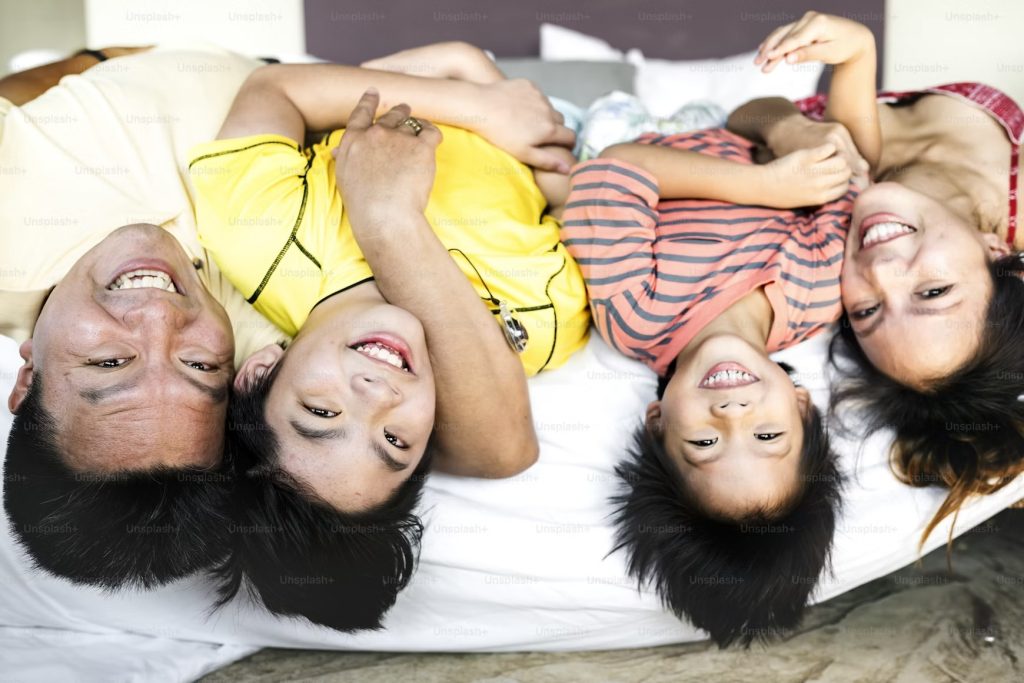
Preventable diseases strain families long before they overwhelm hospitals.
Treatment is expensive. Lost workdays affect income. Chronic illness reshapes family roles. And misinformation—especially around vaccines and medications—further complicates decision-making.
Health experts stress that prevention is not only medical—it is educational and social.
“Many Filipinos seek care only when symptoms are severe,” explains a preventive medicine specialist. “By then, the disease has already progressed.”
Vaccine Hesitancy and Public Confusion
Vaccine hesitancy remains a challenge. While childhood immunization is proven to save millions of lives globally, fear and distrust—often fueled by online misinformation—have reduced coverage in some communities.
The World Health Organization lists vaccine hesitancy as one of the top global health threats. In the Philippines, rebuilding trust requires transparency, consistent communication, and accessible explanations—not fear-based messaging.
READ: Patient Safety Beyond the Hospital: Everyday Habits That Protect Your Health
Lifestyle Diseases Are the New Epidemic
Hypertension, diabetes, and heart disease are now common among Filipinos in their 30s and 40s.
Contributing factors include:
- Sedentary lifestyles
- Poor diet quality
- Chronic stress
- Lack of regular screening
Yet many of these conditions are manageable or preventable through early detection, lifestyle adjustments, and adherence to medical advice.
Prevention Starts at Home
Disease prevention is not limited to hospitals. It begins in homes, schools, and workplaces:
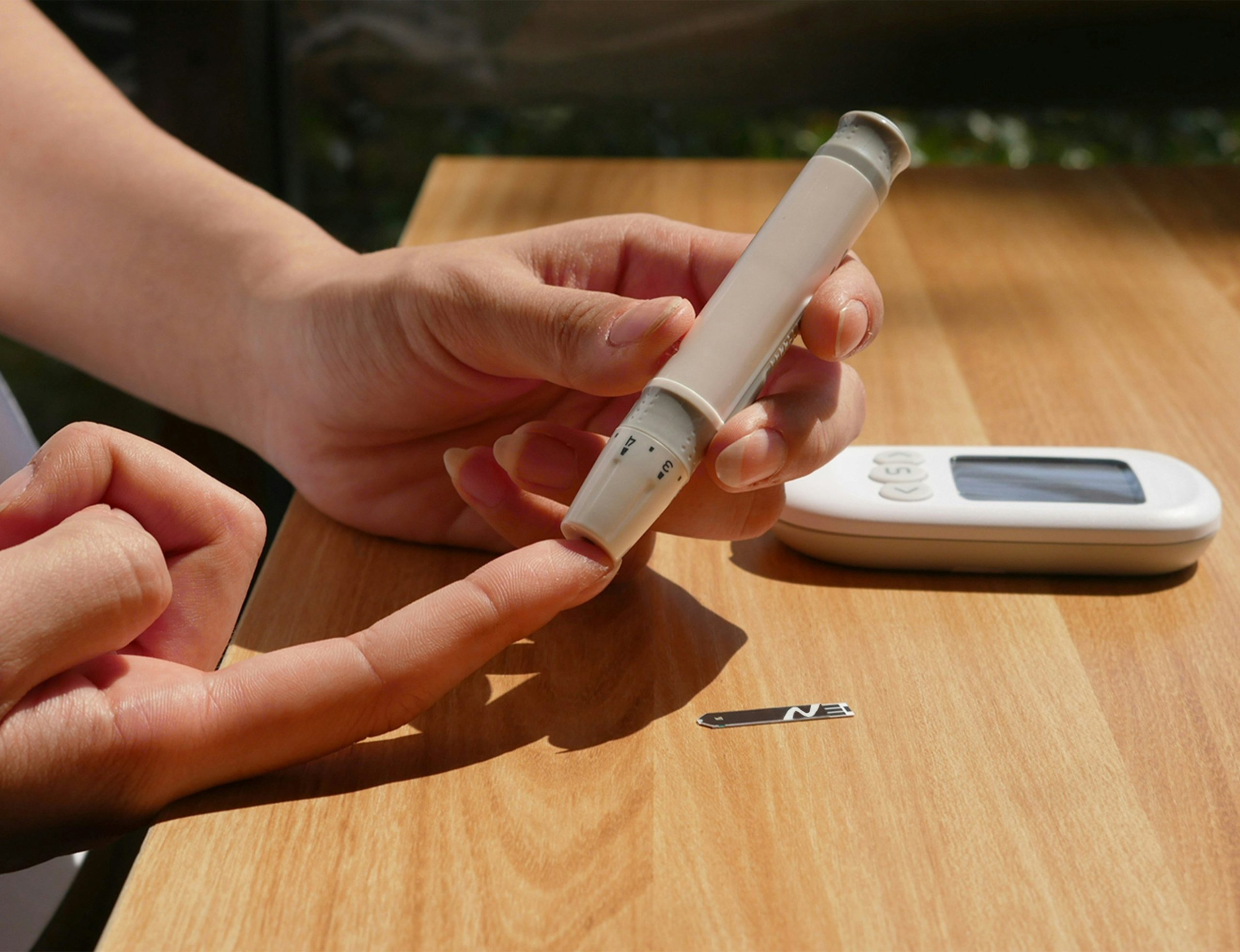
- Regular blood pressure and glucose checks
- Movement as part of daily life, not just exercise
- Adequate sleep and stress management
- Following evidence-based medical guidance
Community programs, workplace wellness initiatives, and family education play crucial roles.
Building a Culture of Prevention
The Philippines has strong medical expertise. What it needs is a stronger culture of prevention—where health is protected before it breaks.
Joyful Wellness believes that prevention thrives when information is credible, compassionate, and culturally relevant. Empowered families make healthier choices—not out of fear, but understanding.