

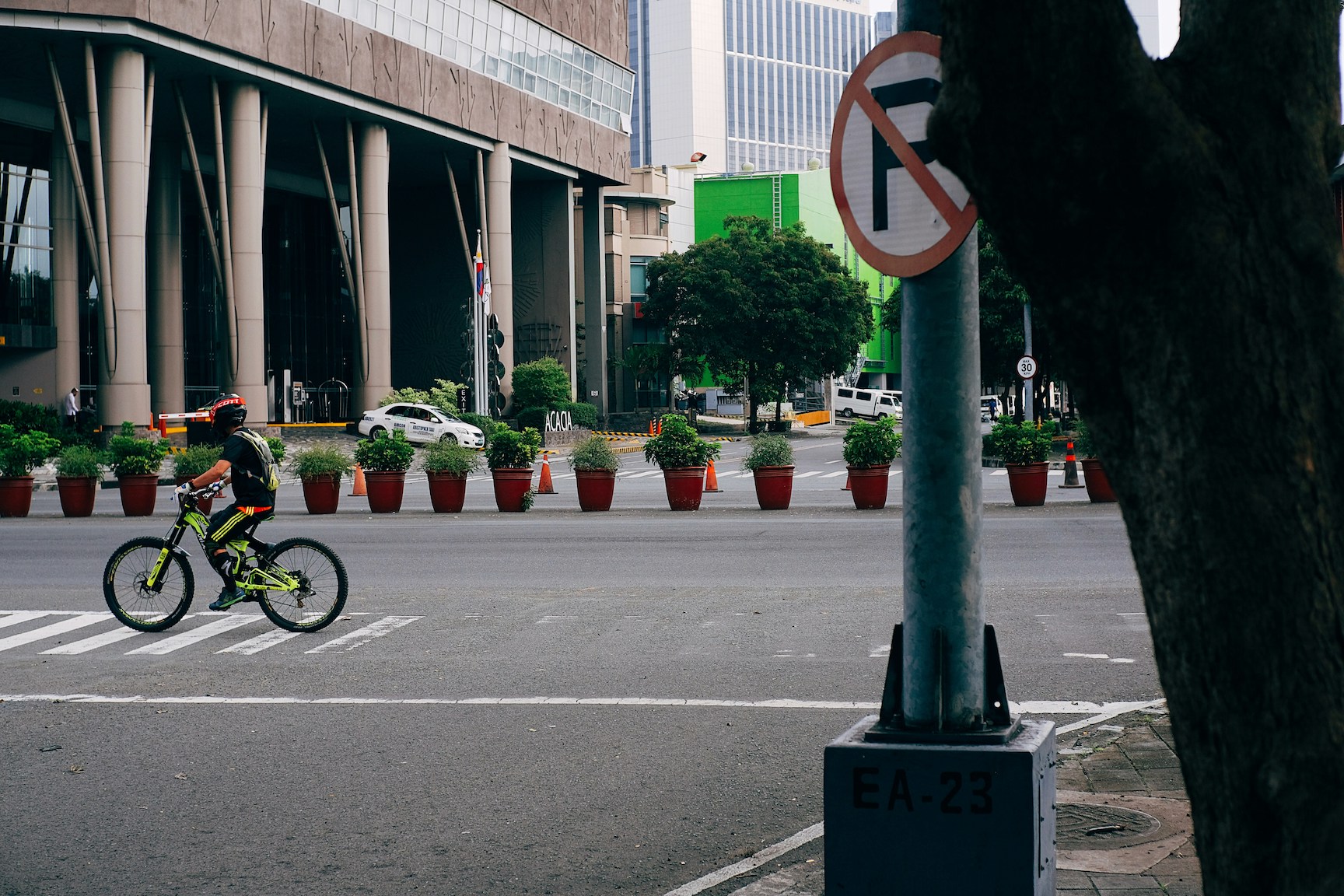
Local governments across the Philippines opened upgraded parks and playgrounds this holiday season to provide healthy public spaces for increased outdoor activity in December. Many sites now include new bike lanes, interactive fountains, motion-sensor play equipment, shaded rest pods, and solar-powered outdoor exercise machines.
These improvements follow the Joint Administrative Order on Healthy Public Open Spaces, signed in early 2023 by the DOH, DILG, DENR, NCCA, and other agencies. The JAO provides standards for accessible parks that support physical activity, mental well-being, community gatherings, walkability, and inclusive design. The Philippine Information Agency notes that the accompanying guidelines emphasize active transport, shaded rest areas, accessibility, and safe materials.
The upgrades come amid increasing concern about physical inactivity in the Philippines. WHO’s 2022 Country Profile reports that 41% of Filipino adults do not meet recommended physical-activity levels, while the DOST-FNRI’s 2023 survey found that 75.5% of adolescents aged 10–17 are insufficiently active due to screen time and limited access to safe recreational areas. WHO warns that inactivity raises the risk of cardiovascular disease, type 2 diabetes, and certain cancers—underscoring the need for accessible open spaces.
Urban planners continue to highlight the lack of green space in many Philippine cities. A 2024 spatial assessment by UP researchers found that most major urban centers fall below the WHO-recommended nine square meters of green space per person, with some districts offering less than three. The uneven distribution of recreational areas leaves many barangays without accessible spaces for children, seniors, and families.
Under the 2023 JAO, parks must be accessible by foot, wheelchair, or bicycle; include facilities for active transport; and accommodate recreational, cultural, and social activities. Standards also require adequate shade, hydration points, safety signage, and amenities for persons with disabilities. The DOH’s 2025 “Active Lifestyle” campaign further encourages LGUs to use the Healthy Public Open Spaces Playbook for zoning, safety, cleanliness, and community-based park management.
Many December inaugurations reflect these priorities. LGUs have expanded cycling lanes connecting parks to existing bike networks, including segments of the Metropolitan Bike Lane Network’s 560 kilometers of protected and shared lanes. Others have installed solar lighting, outdoor exercise stations, and heat-mitigating features such as tree-shade corridors and shaded rest pods. Parks are also adding senior zones, child-friendly surfaces, and accessible ramps in line with DOH-endorsed standards.
However, gaps remain. The 2024 spatial assessment shows that Philippine cities still fall short of the WHO benchmark. High-density communities struggle with limited land area and funding. A 2023 policy review in Frontiers in Public Health also noted that physical-activity policies still focus heavily on sports and transportation, leaving older adults, non-students, and low-income families underserved.
Safety remains a concern. A 2019 EcoWaste Coalition and IPEN audit found excessive lead levels in playground equipment in several public parks. While new projects now use lead-safe materials, experts emphasize ongoing maintenance, materials testing, and quality control to ensure children’s safety.
Recent data further illustrate the scale of inactivity. WHO reports that 41% of Filipino adults fail to meet weekly physical-activity recommendations, and the 2023 National Nutrition Survey shows 75.5% of adolescents are sedentary. A 2025 Daily Tribune report, citing regional comparisons, noted the Philippines ranked first in physical inactivity among Southeast Asian nations.
This holiday season’s series of park openings reflects the government’s continuing implementation of the Healthy Public Open Spaces framework. With agencies and LGUs aligning on standards for active mobility, safety, inclusivity, and sustainability, upgraded parks are positioned to support physical activity and community well-being. Still, experts note that infrastructure alone is insufficient: long-term maintenance, safety compliance, accessible design, and community oversight remain essential to ensure these public spaces serve diverse users year-round.
Photo by Richard Vance Cabusao on Unsplash