

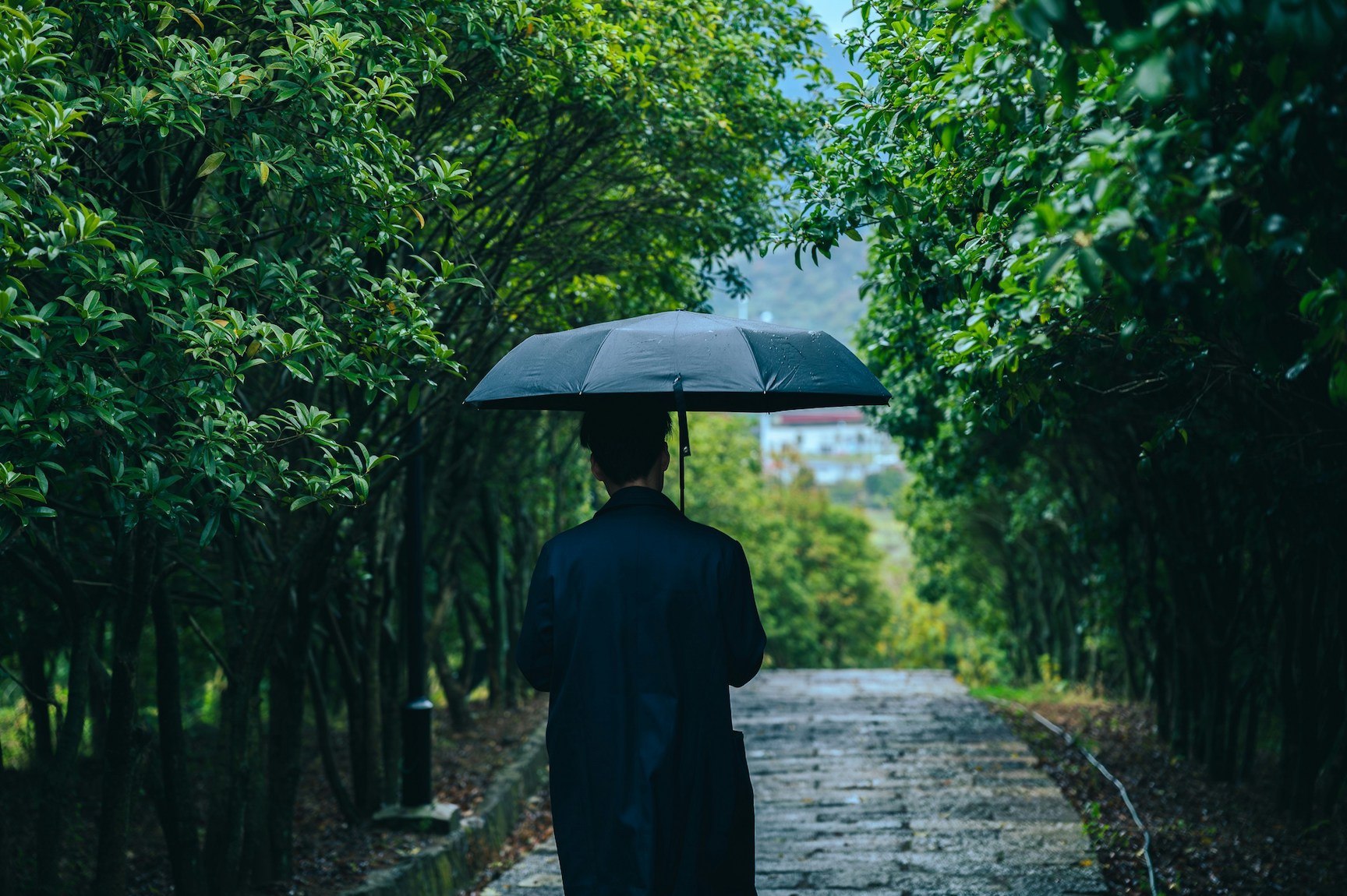
The Philippines faces rising mental-health risks each November as late-season storms—now more frequent and intense—trigger renewed anxiety, trauma, and long-term psychological stress in disaster-hit communities.
November remains an active month for tropical cyclones in the Philippines. PAGASA reports that about 20 tropical cyclones enter or develop inside the Philippine Area of Responsibility (PAR) every year, and 8 to 9 make landfall. Contrary to perceptions that the season peaks earlier, several of the country’s most damaging systems—such as Typhoon Ulysses and Super Typhoon Odette—struck in November and December.
According to consolidated data from the National Disaster Risk Reduction and Management Council (NDRRMC), Ulysses in November 2020 and Odette in December 2021 affected millions through flooding, storm surges, and widespread damage. Severe Tropical Storm Paeng in October 2022 resulted in at least 154 confirmed deaths from landslides and floods. While the impacts of these storms are usually measured in casualties and infrastructure loss, a growing body of Philippine and international evidence shows that psychological effects—from anxiety and panic attacks to post-traumatic stress disorder (PTSD)—can persist long after communities rebuild.
Late-season storms in a warming climate
PAGASA’s climatological summaries show that, on average, 19 to 20 cyclones enter PAR each year, with about half making landfall. Recent years have seen several of the strongest systems arrive late in the year.
Ulysses in 2020 affected more than 4.6 million people and caused the worst flooding in parts of Cagayan Valley since Ondoy. Super Typhoon Odette in December 2021 killed more than 400 people and displaced hundreds of thousands across 11 regions. Meanwhile, Paeng in October 2022 caused over 150 deaths.
These events are unfolding against the backdrop of climate change. A 2024 World Weather Attribution (WWA) analysis reported that a cluster of deadly November typhoons in the western North Pacific—affecting the Philippines—were made about 70% more likely due to human-induced warming. As a result, PAGASA warnings issued late in the year now reach communities still recovering from recent high-impact storms.
Documented mental-health impacts after major typhoons
The psychological effects of disasters in the Philippines are well documented.
A 2023 paper in BJPsych International by Filipino psychiatrist Rowalt Alibudbud reported that demand for psychological healthcare in Eastern Visayas tripled after Super Typhoon Haiyan (Yolanda). A study of Haiyan survivor-responders found that 80.5% were at risk of mental disorders four months after the storm—far above pre-disaster national estimates.
Another study of 443 Haiyan survivors in the International Journal of Emergency Medicine found that 42% reported mental-health problems, with 12% continuing to experience symptoms two and a half years later. A 2018 regional review estimated that around 800,000 people developed mental-health issues following Haiyan, and about 80,000 showed signs of severe depression.
These align with WHO estimates that roughly one in five people exposed to conflict or disaster in the past decade is likely to experience depression, anxiety, PTSD, bipolar disorder, or schizophrenia.
For communities repeatedly exposed to late-season storms, any new November advisory adds to an already elevated mental-health baseline.
New evidence linking climate hazards and mental health
Recent research is strengthening the link between climate-related hazards and psychological distress in the Philippines. A 2024 systematic review by Villarino et al. in the Asian Journal of Psychiatry examined 32 studies and concluded that typhoons, floods, heat, and environmental degradation “strongly and negatively impact” Filipino mental health. Effects include chronic stress, sleep disturbance, displacement-related anxiety, and worsening of pre-existing conditions.
The review also noted that symptoms—such as insomnia, hypervigilance, and intrusive memories—can intensify during periods that coincide with previous disasters. A WHO investment case on Philippine mental health estimated that anxiety and depression accounted for more than 800,000 years of life lived with disability in 2017.
International literature supports these findings. A 2022 systematic review in Clinical Psychology Review found that while PTSD often decreases over time, depression and anxiety can persist for years after major disasters.
READ: Anxiety Disorders: A Global Health Concern
Climate anxiety and young Filipinos’ storm-season fears
Young people appear particularly vulnerable to climate-related psychological strain. A 2021 global survey in The Lancet Planetary Health found that 59% of 16–25-year-olds were “very” or “extremely” worried about climate change. Filipino respondents ranked among the most distressed.
The 2024 systematic review on Philippine mental health also found that repeated exposure to typhoons contributes to “climate-related distress” or “eco-anxiety,” especially in coastal communities. A 2025 meta-analysis reported that eco-anxiety is linked to higher psychological symptoms and lower well-being, although it can motivate some pro-environmental behavior.
Thus, late-year storm advisories can trigger more than logistical preparation—they can reactivate deep-seated fear, especially among youth accustomed to images of flooded homes and evacuation centers.
From panic attacks to insomnia: patterns observed after storms
WHO case studies following Haiyan reported common symptoms such as persistent nightmares, hypervigilance, social withdrawal, and changes in sleeping or eating patterns. Among an estimated 800,000 survivors who developed mental-health problems, around 10% were at risk of progressing to depression.
International reviews show that panic attacks, insomnia, and heightened startle responses are common after cyclones and floods. A 2019 review in the Journal of Family Medicine and Primary Care noted increased PTSD, anxiety, substance use, and family violence after disasters, with sleep disturbance prominent.
These patterns often resurface seasonally. When PAGASA issues November tropical depression bulletins, communities affected by Ulysses, Rolly, Odette, or Paeng may experience re-triggered trauma. For some, this may lead to spikes in substance use or withdrawal.
Government and WHO efforts
Since Haiyan, the government and WHO have expanded mental health services. Eastern Visayas integrated mental-health care into primary health centers, training general health workers and embedding services in barangays. Other initiatives include psychological first aid, mental-health referral pathways, and telemental health.
The Mental Health Act of 2018 (RA 11036) created a legal framework for integrating mental-health care across the health system. A 2024 policy analysis noted increased LGU-led initiatives, although personnel and funding gaps remain—particularly in rural coastal areas repeatedly struck by typhoons.
Implications: intensifying storms, deepening strain
Climate projections show increasingly intense storms in the western North Pacific. Reviews consistently indicate that disasters leave long-lasting mental-health impacts—including depression, anxiety, PTSD, and climate-related distress.
Experts recommend integrating psychosocial support into standard disaster preparedness, including screening for mental-health risks, training barangay workers in psychological first aid, and ensuring strong referral pathways.
For storm-exposed communities, late-season typhoons carry more than meteorological weight—they can trigger renewed trauma, interfere with sleep, increase substance use, and affect children’s behavior. As the climate continues to change, agencies are reframing typhoon preparedness to include not only evacuation plans and relief goods but also the psychological toll that intensifies when the storm season stretches longer than it used to.