When November comes to a close in the Philippines, the air feels different. Holiday lights brighten the streets, mornings turn cooler, and people begin to count the days until year’s end. But amidst the familiar rush of the season, another reminder rises — quiet but urgent: the country continues to face a growing HIV challenge.
This year, over 5,500 new HIV cases were reported between July and September alone. Many of these diagnoses involved young Filipinos, individuals who should be at the height of building dreams, not navigating stigma or misinformation. The data is sobering, but it is also a call — one that invites not fear, but understanding.
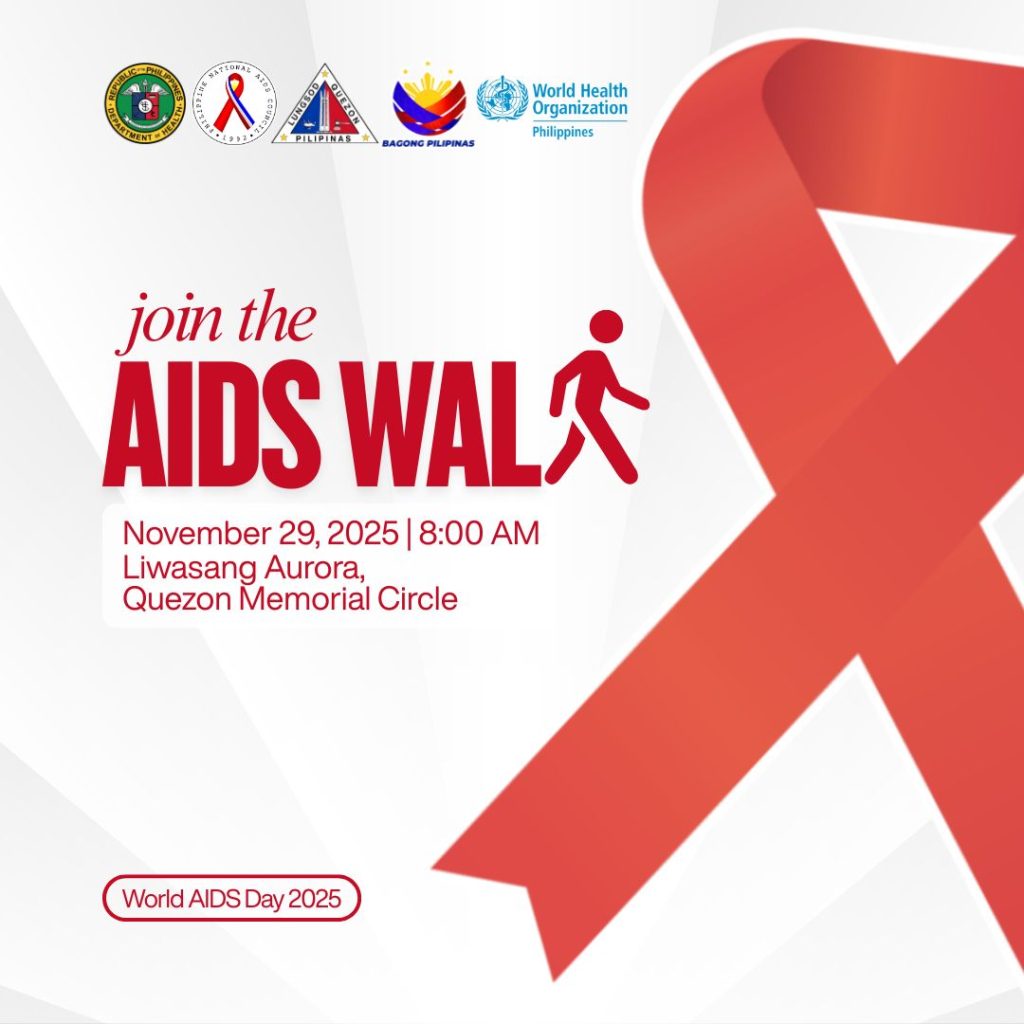
And it is in this spirit that communities will gather on November 29, 2025 at Liwasang Aurora, Quezon Memorial Circle, for AIDS Walk 2025, a local observance leading into World AIDS Day on December 1. People will come dressed in white or red — symbols of solidarity and remembrance — and walk not to mourn helplessly, but to stand together with those whose lives have been shaped by HIV.
READ: Health Department Brings HIV Education and Testing to Offices as Young Adults Drive New Cases
The Numbers Behind the Walk
Statistics alone do not tell stories, but they reveal the scale of a problem many still misunderstand. The Philippines continues to see one of the fastest-rising HIV rates in Asia. Each new case represents a person with a family, a community, a future that deserves protection and dignity.
These increases don’t necessarily point to failure; in many ways, they reflect improved testing and awareness. When more people get diagnosed early, more receive treatment early. And early treatment is key — antiretroviral therapy (ART) allows people living with HIV to stay healthy, live full lives, and protect others by maintaining an undetectable viral load.
HIV today is a manageable chronic condition. This message is simple, but the stigma surrounding HIV remains deeply rooted. This is why walking matters — because visibility breaks silence, and silence is where stigma grows.
Health, Courage, and the Power of Showing Up
A wellness community like Joyful Wellness thrives on connection. For us, wellness is not only nutrition, fitness, or mindfulness. It is also the ability to hold space for the complicated experiences that shape human life.
When you join the walk — or even when you learn, listen, or share correct information — you help build a new kind of wellness culture: one grounded in courage, compassion and clarity.
You start conversations that may feel uncomfortable at first but later save lives.
You remind others that no one should walk alone when facing a diagnosis.
And perhaps most importantly, you show that empathy can be a public health tool.
Kindness as Prevention and Support
Science teaches us what HIV does to the body. Compassion teaches us what stigma does to the heart.
People living with HIV often face two battles: one biological, one social. The biological battle has a clear treatment path; the social one requires a shift in mindset. This is where communities become powerful.
A friend who says, “I’m here for you,” reduces isolation.
While a partner who gets tested too shows responsibility and care.
Then there is the parent who listens without judgment, demonstrating love that heals.
A stranger who attends a walk communicates solidarity without needing to speak.
Every act of compassion reduces fear. And reducing fear can lead to more people seeking testing, more starting treatment, more staying on treatment — and more living with dignity.
Wellness Begins With Awareness
This year’s walk is not only symbolic; it is practical. It reminds us to stay informed:
- HIV is not transmitted through casual contact.
- Early testing is essential, especially for sexually active individuals.
- Treatment is available and effective.
- People living with HIV can achieve an undetectable status — meaning HIV becomes untransmittable (U=U).
- Stigma is still one of the biggest obstacles to prevention.
When awareness spreads, prevention strengthens. When stigma is reduced, treatment outcomes improve. When communities step in, public health moves forward.
A Better You: Reflection as a Path to Compassion
Joyful Wellness’ journal “A Better You” can become a gentle companion in this conversation. Some topics are difficult to process, and reflection can help transform information into deeper understanding.
Here are journal prompts to support this topic:
- What beliefs or fears do I hold about HIV, and where did they come from?
- How can I support others without assuming or judging?
- What does compassionate health advocacy mean to me?
- How can I help make conversations about HIV more open and less shame-filled?
- What does solidarity look like in my everyday life?
Journaling invites honesty — the kind that leads to growth.
An Invitation to Walk With Purpose
You don’t need to be an advocate, a health professional, or an expert to make a difference. Sometimes the most meaningful act is simply showing up.
On November 29, join the walk if you can. Walk for yourself, for someone you know, or for someone you’ve never met but whose life might change because someone like you cared enough to take a step.
And on December 1, let World AIDS Day be more than a date on a calendar. Let it be a reminder that wellness includes standing with communities often left in the margins.
Health is not only personal.
It is shared.
And the more we walk together, the closer we get to a society that understands HIV with compassion, science, and hope.
References:
World Health Organization (WHO) — global HIV facts & status: 40.8 million people living with HIV at end of 2024; 1.3 million new infections in 2024; HIV manageable with treatment. World Health Organization+2UNAIDS+2
UNAIDS / WHO Philippines joint 2025 news release — notes that the Philippines “faces the fastest-growing number of HIV cases in the Asia-Pacific region,” cites ~57 new diagnoses per day in 2025, and estimates ~252,800 Filipinos living with HIV. World Health Organization+1
Department of Health (Philippines) data (summarized by media) — from January–March 2025, reports averaging 56–57 new HIV cases per day; large share among youth (ages 15–24, 25–34). Philippine News Agency+2PhilStar+2
Philippine media and public-health reporting (June 2025) — provides context for the 500% increase in new HIV infections since 2010, demographic breakdowns, and call for national public health response. Tribune+2Philstar+2
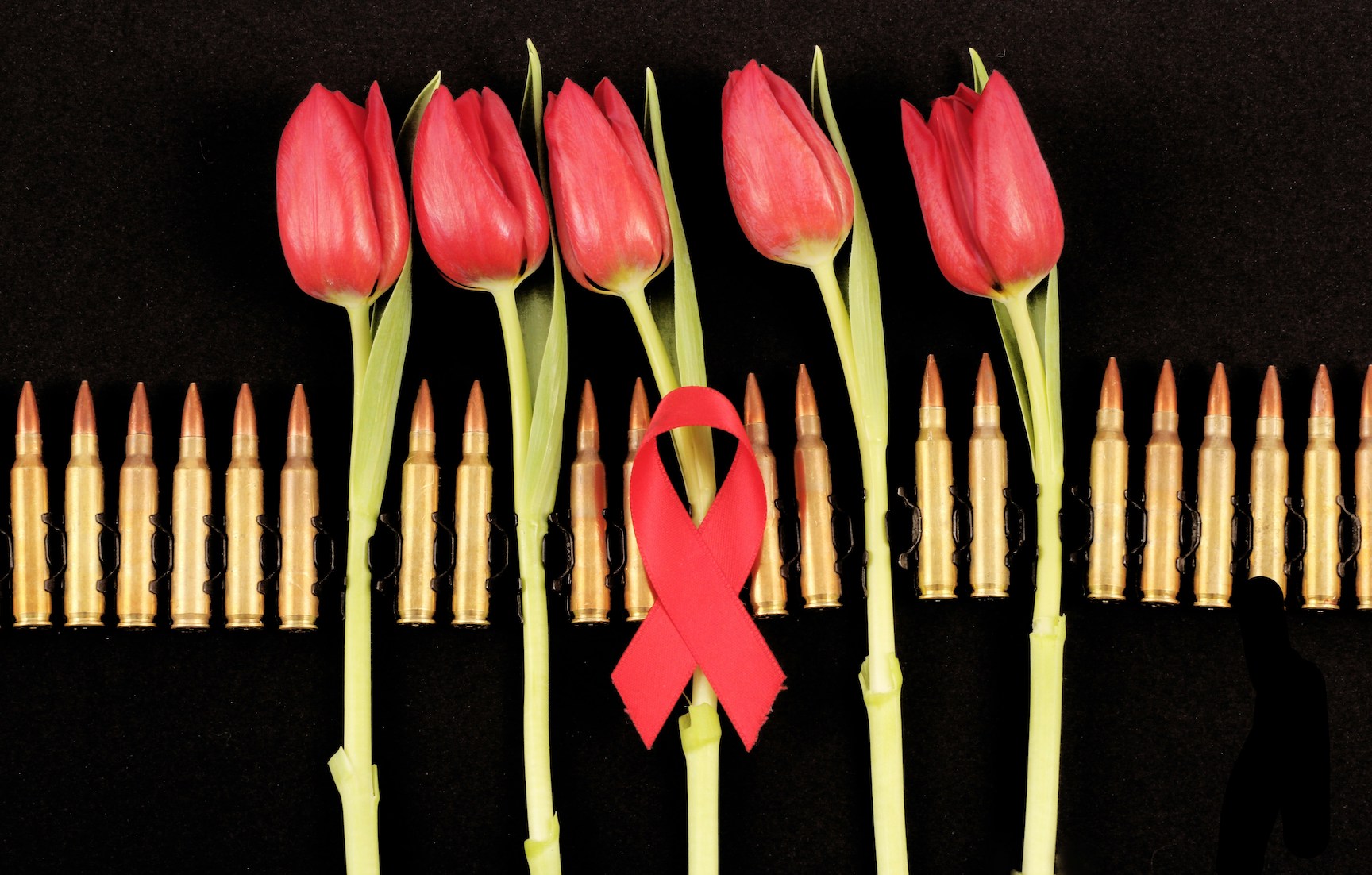
Photo by Marek Studzinski on Unsplash